Huntington Beach Couples Rehab Programs

Huntington Beach Couples Rehab Programs: Healing Steps from the Sand

CouplesRehab.com | Specialized Addiction Treatment for Couples

When addiction threatens the foundation of a relationship, the journey toward recovery can feel overwhelming and isolating. For couples facing substance use disorders together, the traditional approach of separate treatment facilities can compound the trauma, leaving partners disconnected during the most critical phase of healing. In Huntington Beach, California, a specialized approach to addiction treatment is offering couples a different path—one where partners can confront their demons together while rebuilding the trust and connection that addiction has eroded.

Located along Orange County’s stunning coastline, Huntington Beach couples rehab programs combine evidence-based addiction treatment with relationship-focused therapy in an environment that promotes both individual transformation and relational healing. These specialized programs recognize that when both partners struggle with substance use or when one partner’s addiction profoundly impacts the relationship dynamic, addressing both the individual pathology and the relationship system becomes essential for lasting recovery.

This comprehensive guide explores what makes couples rehab clinically distinct from traditional treatment, who benefits most from joint programs, and how Huntington Beach’s unique therapeutic environment supports couples on their recovery journey. Whether you’re researching inpatient couples rehab in Orange County or exploring outpatient options, understanding the clinical rationale and practical considerations will help you make the most informed decision for your relationship’s future.

Understanding Couples Rehab: More Than Parallel Treatment

The concept of couples rehab Orange County extends far beyond simply admitting two people to the same facility. Authentic couples addiction treatment integrates individual therapeutic work with conjoint sessions specifically designed to address relationship dynamics, communication patterns, trauma bonding, codependency, and the complex ways addiction has infiltrated the partnership.

The Clinical Rationale for Joint Treatment

Research in addiction psychiatry has demonstrated that relationship factors significantly influence treatment outcomes. When both partners use substances, the risk of relapse increases substantially if only one person receives treatment. The untreated partner often inadvertently undermines recovery efforts through continued use, enabling behaviors, or maintaining environmental cues that trigger cravings.

Even when only one partner has a substance use disorder, the relationship system has typically adapted around the addiction in dysfunctional ways. Family systems theory teaches that relationships develop homeostasis—a balance point that, while unhealthy, feels familiar. When one person changes through recovery, the system experiences disequilibrium. Without concurrent couples behavioral therapy, the partner may unconsciously resist these changes, creating relational tension that threatens sobriety.

What Makes Couples Treatment Clinically Distinct

Effective couples counseling for addiction Orange County programs incorporate several key components that differentiate them from standard addiction treatment:

  • Behavioral Couples Therapy (BCT): An evidence-based modality that addresses substance use while improving relationship satisfaction. BCT focuses on increasing positive exchanges, improving communication, and developing shared recovery goals.
  • Individual Clinical Work: Each partner receives personalized therapy addressing their unique trauma history, mental health concerns, and recovery needs. This ensures that joint work doesn’t overshadow individual healing.
  • Relationship-Focused Sessions: Conjoint therapy specifically examines enabling patterns, codependency, trauma bonding, intimacy issues, and trust repair—all within the context of maintaining sobriety.
  • Family Systems Approach: Treatment recognizes that the couple exists within broader family and social systems that influence recovery. Many programs incorporate family therapy sessions when appropriate.
  • Dual Diagnosis Integration: Programs specializing in dual diagnosis couples rehab Orange County address co-occurring mental health disorders—such as depression, anxiety, PTSD, or bipolar disorder—that frequently accompany addiction.

Levels of Care: Choosing the Right Treatment Intensity

One of the most critical decisions couples face is determining the appropriate level of care. The American Society of Addiction Medicine (ASAM) criteria provide guidance based on factors including withdrawal risk, medical complications, co-occurring conditions, readiness to change, relapse potential, and recovery environment. Understanding these levels helps couples and their clinical teams make informed decisions about residential couples treatment center versus outpatient options.

Medical Detoxification: The Essential First Step

For couples with physiological dependence on alcohol, benzodiazepines, or opioids, medically supervised detoxification is not just recommended—it’s medically necessary. A couples detox program in Huntington Beach provides 24-hour medical monitoring, medication-assisted treatment to manage withdrawal symptoms, and immediate clinical intervention for complications.

Detoxification typically lasts three to seven days, depending on the substance and severity of dependence. During this phase, couples are medically stabilized while receiving supportive counseling that prepares them for the therapeutic work ahead. It’s important to understand that detox alone is not treatment—it’s the physiological clearing process that makes psychological treatment possible.

Residential (Inpatient) Couples Rehab

Residential treatment provides the most intensive level of care, with couples living at the facility while receiving comprehensive therapeutic services. Inpatient couples rehab Orange County programs typically recommend stays of 30 to 90 days, with research consistently showing better outcomes for longer durations.

Key features of residential couples treatment include:

  • Structured daily schedule with individual therapy, group therapy, couples sessions, and therapeutic activities
  • 24-hour clinical supervision and support
  • Removal from triggering environments and substances
  • Immersive therapeutic community experience
  • Housing arrangements that balance couple connection with individual space (programs vary in whether couples share rooms or maintain separate accommodations)

For couples with severe addiction, limited social support, unsafe home environments, or significant co-occurring mental health issues, residential treatment offers the structure and intensity necessary for stabilization and deep therapeutic work.

Intensive Outpatient and Standard Outpatient Programs

For couples with less severe addiction, strong social support, stable housing, and the ability to maintain abstinence while living at home, outpatient couples rehab provides comprehensive treatment without residential placement.

Intensive Outpatient Programs (IOP): Typically involve 9-15 hours of programming weekly, scheduled in the evenings to accommodate work or school. A couples IOP program Huntington Beach allows partners to maintain daily responsibilities while receiving substantial therapeutic support.

Standard Outpatient Programs: Involve fewer weekly hours (typically 3-6 hours) and work well for step-down care after completing higher levels of treatment or for those with milder substance use disorders and strong recovery supports.

The flexibility of outpatient treatment makes it particularly valuable for couples with children, work obligations, or financial constraints that make extended residential stays challenging. However, success in outpatient care requires significant motivation, abstinence commitment, and environmental stability.

The Huntington Beach Advantage: Location as Therapy

The decision to seek treatment in Huntington Beach offers couples more than geographic convenience. The city’s coastal environment, therapeutic community, and natural beauty create a healing backdrop that enhances clinical outcomes. Understanding why beachfront couples rehab Orange County programs leverage their location reveals important therapeutic principles.

Nature-Assisted Therapy and Coastal Healing

Environmental psychology research demonstrates that natural settings reduce stress, lower cortisol levels, improve mood, and enhance cognitive function. For couples in early recovery—when neurological systems are healing from substance-induced damage—these benefits are particularly significant.

Huntington Beach’s therapeutic offerings include:

  • Ocean-based activities: Surf therapy, beach walks, and ocean meditation provide physical activity while promoting mindfulness and present-moment awareness.
  • Outdoor exercise: The mild climate enables year-round outdoor fitness activities that support physical healing and endorphin production.
  • Restorative environment: The rhythmic sound of waves, ocean air, and expansive horizon create a naturally calming environment that reduces anxiety and promotes reflection.
  • Symbolic renewal: The ocean’s constant movement and cleansing properties serve as powerful metaphors for letting go, renewal, and continuous growth in recovery.

Privacy and Distance from Triggering Environments

For many couples, seeking private couples rehab Huntington Beach provides geographical and psychological distance from the people, places, and situations associated with their substance use. This separation creates space for couples to focus entirely on recovery without the constant pull of familiar triggers or enabling relationships.

Orange County’s size and diversity also mean that couples from other parts of Southern California can access world-class treatment while maintaining enough distance from home to reduce distractions, yet remain close enough for family involvement when clinically appropriate.

Clinical Considerations: Is Couples Rehab Right for Your Relationship?

While couples rehab offers significant advantages for many relationships, it’s not universally appropriate. Responsible treatment centers conduct thorough clinical assessments to determine whether joint treatment serves both partners’ best interests or whether separate treatment would be safer and more effective.

When Couples Rehab Is Clinically Indicated

Joint treatment typically benefits couples when:

  • Both partners have substance use disorders requiring treatment
  • One partner’s addiction has significantly impacted the relationship system, even if the other partner doesn’t use substances
  • The relationship itself is a primary source of stress, trauma, or enabling that perpetuates substance use
  • Both partners are committed to the relationship and recovery
  • Codependency patterns require therapeutic intervention for lasting recovery
  • Relationship issues like trust, intimacy, or communication breakdowns need direct therapeutic attention

Programs specializing in couples rehab for trauma and PTSD Orange County recognize that relational trauma—whether from domestic conflict, shared traumatic experiences, or betrayal related to addiction—often requires conjoint processing within the safety of clinical supervision.

When Separate Treatment Is Recommended

Responsible clinicians will recommend individual treatment when:

  • Active domestic violence exists: Safety is paramount. Couples experiencing physical, emotional, or psychological abuse require separation and individual treatment. The National Domestic Violence Hotline (1-800-799-7233 or text START to 88788) provides confidential support.
  • Severe mental illness requires stabilization: Untreated bipolar disorder, active psychosis, or acute suicidal ideation may need psychiatric stabilization before couples work can be productive.
  • One partner is ambivalent about recovery: When motivation levels are drastically different, the reluctant partner can undermine the committed partner’s recovery efforts.
  • Power imbalances prevent honest communication: Significant age gaps, financial control, immigration status concerns, or other power differentials may make joint therapy unsafe or ineffective.
  • Individual trauma work is contraindicated in couples therapy: Some trauma processing—particularly childhood sexual abuse or severe PTSD—requires individual therapeutic focus before conjoint work.

Ethical treatment providers conduct comprehensive assessments and maintain flexibility, recognizing that treatment plans may need to shift based on emerging clinical information. Resources like the National Domestic Violence Hotline are essential for couples where safety concerns arise.

Navigating Insurance, Costs, and Financial Accessibility

One of the most common questions couples ask when researching treatment is: “How much does couples rehab in Orange County cost?” The answer depends on multiple factors including level of care, program amenities, length of stay, and insurance coverage.

Understanding Treatment Costs

Cost ranges for couples rehab Orange County vary significantly:

  • Outpatient treatment: $5,000-$15,000 for a complete program (typically 8-12 weeks)
  • 30-day residential programs: $15,000-$40,000 depending on amenities and clinical specialization
  • 60-90 day residential programs: $30,000-$80,000+ for extended residential care
  • Luxury couples rehab: Premium facilities with amenities like private rooms, gourmet meals, spa services, and oceanfront locations may cost $60,000-$150,000+ per month

These figures reflect private pay rates. Insurance coverage can significantly reduce out-of-pocket expenses, making treatment financially accessible for many couples who otherwise couldn’t afford care.

Insurance Verification and Coverage

The Mental Health Parity and Addiction Equity Act requires that insurance plans cover substance use disorder treatment at parity with medical/surgical benefits. This means that Huntington Beach couples rehab with insurance should be covered similarly to other medical care, though specific benefits vary by plan.

Common questions about insurance include:

  • Does insurance cover couples treatment specifically? Most plans cover individual addiction treatment. Coverage for couples-specific services (joint therapy sessions) varies. Many programs bill individual therapy sessions to insurance while couples may pay out-of-pocket for relationship-focused components.
  • Which insurers are accepted? Many facilities accept major private insurance including those searching for couples rehab that accepts Blue Cross Blue Shield, Cigna, Aetna, United Healthcare, and Tricare. Verification of in-network status is essential as out-of-network coverage typically involves higher costs.
  • What does verification involve? Treatment centers conduct benefits verification, calling your insurance to determine coverage levels, deductibles, copays, out-of-pocket maximums, and any pre-authorization requirements. This process clarifies your financial responsibility before admission.
  • What if we don’t have insurance? Many facilities offer payment plans, sliding scale fees, or can connect couples with financing options. Some couples also access care through employee assistance programs (EAPs), which may provide limited free sessions.

For personalized insurance verification and cost estimates, couples should contact treatment facilities directly. CouplesRehab.com’s admissions team can provide detailed benefits verification and discuss financial options specific to your situation.

The Continuum of Care: From Detox to Aftercare

Successful long-term recovery rarely results from a single treatment episode. The continuum of care model recognizes that individuals and couples need different levels of support as they progress through recovery stages. Understanding this continuum helps couples plan for sustained success rather than viewing treatment as a one-time event.

Step-Down Care and Relapse Prevention

Most successful treatment follows a step-down model: beginning with intensive care (detox and residential) and gradually transitioning to less intensive services (outpatient programs, then aftercare). This graduated approach allows couples to practice recovery skills with increasing independence while maintaining clinical support.

A typical progression might include:

  • 3-7 days: Medical detoxification with 24-hour supervision
  • 30-90 days: Residential treatment with intensive individual and couples therapy
  • 8-12 weeks: Intensive outpatient program while living in structured sober living
  • 3-6 months: Standard outpatient therapy with decreasing frequency
  • Ongoing: Aftercare, alumni groups, and community support (potentially lifelong)

Sober Living for Couples

Transitioning directly from residential treatment to an unstructured home environment increases relapse risk. Sober living homes for couples provide a middle ground—structured, substance-free housing where couples can practice recovery skills while gradually reintegrating into daily life.

Benefits of couples-focused sober living include:

  • Accountability through regular drug testing and house meetings
  • Peer support from other couples in recovery
  • Structured environment with curfews and house rules
  • Continued access to outpatient therapy and support groups
  • Time to establish new routines before returning to independent living

Aftercare and Long-Term Support

Research consistently shows that ongoing support after primary treatment completion dramatically improves long-term outcomes. Aftercare services for couples might include:

  • Weekly or monthly couples therapy check-ins
  • Alumni groups specifically for couples in recovery
  • Relapse prevention planning and early intervention protocols
  • Crisis support hotlines and emergency counseling access
  • Connection to community resources like 12-step groups, SMART Recovery, or Celebrate Recovery

Accessing Help: Resources and Next Steps

Understanding treatment options is one thing; accessing care is another. For couples in crisis, navigating the healthcare system, insurance complexities, and admission processes can feel overwhelming. Knowing where to turn for immediate help and how to begin the treatment journey provides clarity during a confusing time.

Crisis Resources and Immediate Support

If you or your partner are experiencing a substance use crisis, suicidal thoughts, or immediate danger, these resources provide 24/7 support:

  • 988 Suicide & Crisis Lifeline: Call or text 988 for immediate crisis support. This national network provides free, confidential assistance 24/7. Visit 988lifeline.org
  • SAMHSA National Helpline: 1-800-662-HELP (4357) provides 24/7 treatment referral and information services. Visit findtreatment.gov for facility searches
  • Orange County Crisis Line: 855-OC-LINKS (855-625-4657) for local mental health and substance use crisis support. Visit OC Health Care Agency
  • National Domestic Violence Hotline: 1-800-799-7233 or text START to 88788 for confidential support if relationship safety is a concern. Visit thehotline.org

Verifying Facility Credentials

California maintains strict licensing requirements for addiction treatment facilities. Before committing to any program, verify licensing status through the California Department of Health Care Services. Legitimate facilities openly provide their license numbers and welcome verification.

Additional verification considerations:

  • Check for accreditation by The Joint Commission, CARF, or similar organizations
  • Verify clinical staff credentials (licensed therapists, medical directors)
  • Read reviews and testimonials, recognizing that experiences vary
  • Ask detailed questions about treatment approaches, staff ratios, and outcomes data

Beginning Your Treatment Journey

The admission process for CouplesRehab.com typically follows these steps:

  • Initial Contact: Call or complete an online contact form. Admissions counselors conduct a brief phone screening to understand your situation and determine clinical appropriateness.
  • Clinical Assessment: A comprehensive evaluation examines substance use history, mental health, medical conditions, previous treatment, relationship dynamics, and individual needs.
  • Insurance Verification: The business office contacts your insurance company to verify benefits, determine coverage levels, and calculate out-of-pocket costs.
  • Treatment Planning: Based on assessment findings, clinical staff develop an individualized treatment plan outlining recommended level of care, duration, and therapeutic approaches.
  • Admission: Once financial arrangements are finalized and you’re ready to begin, admission can often occur within 24-48 hours for those requiring immediate care.
  • Orientation: The first days involve medical evaluation, introduction to the therapeutic community, and beginning individual and couples therapy.

Frequently Asked Questions About Couples Rehab

These comprehensive answers address the most common questions couples have when considering addiction treatment together.

Clinical Appropriateness and Safety

Can couples go to rehab together, or should we seek individual treatment?

Couples can and often should attend rehab together when both partners have substance use disorders or when one partner’s addiction has significantly impacted the relationship. Research supports joint treatment when the relationship itself contributes to substance use patterns through enabling, codependency, or shared trauma. However, clinical assessment is essential to determine appropriateness. Factors like domestic violence, severe mental illness requiring stabilization, or vast motivation differences may indicate separate treatment. A comprehensive evaluation by addiction specialists determines whether couples therapy will enhance or hinder individual recovery.

What is the clinical assessment process to determine if joint treatment is appropriate?

The clinical assessment for couples rehab is comprehensive and evaluates both partners individually and relationally. Clinicians conduct separate interviews to assess substance use history, mental health, trauma background, medical conditions, and treatment history without partner influence. Joint interviews examine relationship dynamics, communication patterns, conflict resolution, safety concerns, and mutual commitment to recovery. Clinicians specifically screen for domestic violence, power imbalances, severe psychiatric symptoms, and motivation discrepancies. Standardized assessment tools measure addiction severity, relationship satisfaction, and co-occurring disorders. The process typically takes 1-2 hours and results in clinical recommendations about treatment appropriateness, level of care needed, and individualized treatment planning.

Are there situations where couples rehab is NOT recommended?

Yes, several situations contraindicate couples treatment. Active domestic violence—physical, sexual, emotional, or financial abuse—makes joint treatment unsafe and potentially dangerous. Severe untreated mental illness requiring psychiatric stabilization (active psychosis, acute mania, immediate suicidal risk) necessitates individual care first. Significant motivation differences where one partner is coerced or deeply ambivalent undermine treatment effectiveness. Extreme power imbalances related to age, immigration status, financial control, or other factors prevent honest therapeutic participation. Recent trauma requiring individual processing, such as childhood sexual abuse or severe PTSD, may need individual therapy before couples work. In these situations, responsible clinicians recommend separate treatment, potentially transitioning to couples therapy once individual stability is achieved.

Can boyfriends, girlfriends, or unmarried partners attend couples rehab?

Absolutely. Couples rehab programs welcome all committed relationship configurations including dating couples, unmarried partners, engaged couples, and married spouses. The clinical focus is relationship commitment and mutual investment in recovery, not legal marital status. Many programs also serve LGBTQ+ couples, polyamorous partners seeking treatment together, and long-term committed relationships regardless of legal recognition. What matters clinically is that both individuals are invested in the relationship’s future and willing to engage in joint therapeutic work. Programs assess relationship stability and commitment during intake to ensure couples therapy will be productive rather than focusing on relationship status or marriage certificates.

Is there a risk of one partner enabling the other during joint treatment?

This is a legitimate clinical concern that responsible programs actively address through program structure and therapeutic intervention. Quality couples rehab programs include individual therapy sessions where each partner works on personal recovery independent of relationship dynamics. Clinical staff monitor for enabling behaviors, codependency patterns, and one partner’s recovery compromising the other’s. Structured programming includes psychoeducation about enabling, clear accountability systems, and therapeutic interventions specifically targeting codependency. Couples learn to support recovery without enabling, distinguish between helping and rescuing, and maintain individual accountability. Programs establish ground rules about confronting substance use, reporting concerns to staff, and maintaining sobriety contracts. When enabling patterns emerge despite intervention, clinicians may recommend temporary separation within treatment or transition to individual programs.

Programs, Duration, and Levels of Care

How long does a typical couples rehab program last?

Program length varies based on addiction severity, insurance coverage, and individual needs. Standard durations include 30-day programs providing foundational recovery skills and initial stabilization; 60-day programs allowing deeper therapeutic work on trauma, relationship patterns, and relapse prevention; and 90-day programs offering comprehensive treatment with the highest success rates according to research. Some couples require 6-12 months when addressing severe addiction, complex trauma, or co-occurring mental health disorders. Outpatient programs typically run 8-12 weeks with varying weekly hour requirements. Insurance coverage often determines length, though many programs advocate for extended care when clinically indicated. Research consistently shows that longer treatment duration correlates with better long-term outcomes, making 90-day residential programs the gold standard when possible.

What is the difference between Inpatient and Outpatient Couples Rehab?

Inpatient (residential) treatment involves living at the facility 24/7 for the program duration, receiving intensive therapeutic services in a controlled, substance-free environment. Residential programs provide structure, remove access to substances, and offer round-the-clock clinical support. Daily schedules include individual therapy, couples counseling, group therapy, psychoeducation, recreational therapy, and meals. Inpatient care is recommended for severe addiction, medical complications, co-occurring psychiatric disorders, unsafe home environments, or previous outpatient treatment failures. Outpatient treatment allows couples to live at home while attending scheduled therapy sessions, typically 3-15 hours weekly depending on intensity level. Outpatient works well for milder addiction, strong home support, stable housing, employment responsibilities, and step-down care after residential treatment. The choice depends on clinical assessment, safety considerations, practical constraints, and insurance coverage.

Do we live in the same room, or are we housed separately during residential treatment?

Housing arrangements vary by facility philosophy and clinical approach. Some programs provide shared accommodations for couples, allowing partners to room together throughout treatment. This approach promotes connection, allows practice of healthy relationship skills in real-time, and mirrors future living arrangements. Other facilities house partners separately, particularly during early treatment phases, to encourage individual focus, prevent codependency, and ensure each person develops recovery identity independent of the relationship. Many programs use a graduated approach: separate housing initially while individuals stabilize, transitioning to shared accommodations as clinical progress occurs. Some luxury facilities offer private suites with separate sleeping areas. Housing decisions are made collaboratively based on clinical recommendations, couple preferences, and therapeutic goals. Discuss housing arrangements during intake to understand specific program policies.

Do you offer a medically supervised Couples Detox Program?

Yes, many comprehensive couples rehab facilities provide medically supervised detoxification as the first phase of treatment. Detox is essential for couples with physiological dependence on alcohol, benzodiazepines, opioids, or other substances causing withdrawal. Medical detox provides 24-hour nursing care, physician oversight, medication management for withdrawal symptoms, and monitoring for complications. The process typically lasts 3-7 days depending on substance and dependence severity. Couples may detox in the same facility but typically in separate medical units to ensure clinical focus on individual medical needs. After medical clearance, couples transition together to residential or outpatient treatment. Not all programs have on-site detox; some partner with medical facilities or require detox completion before couples treatment admission. Discuss detox needs during assessment to ensure appropriate medical resources are available.

Can couples with co-occurring mental health issues be treated?

Absolutely. Dual diagnosis treatment—addressing substance use disorders alongside co-occurring mental health conditions—is essential for lasting recovery. The majority of individuals in addiction treatment have co-occurring disorders including depression, anxiety, PTSD, bipolar disorder, ADHD, personality disorders, or eating disorders. Quality couples rehab programs provide integrated dual diagnosis treatment with psychiatric evaluation, medication management, and therapies addressing both addiction and mental health. Treatment teams include addiction counselors, psychologists, psychiatrists, and therapists trained in trauma-informed care. Common co-occurring issues in couples include shared trauma, relationship-based PTSD, codependent depression, or complementary mental health patterns. Integrated treatment prevents the revolving door of treating one condition while ignoring the other, recognizing that lasting sobriety requires addressing all factors affecting mental health and substance use.

Treatment Modalities and Focus

What specific types of therapy are used for couples in recovery?

Evidence-based therapies for couples in recovery include Behavioral Couples Therapy (BCT), the most researched modality specifically designed for substance use disorders in relationships. BCT addresses substance use while improving relationship satisfaction through communication training, positive exchanges, and shared recovery goals. Cognitive Behavioral Therapy (CBT) helps couples identify and change thought patterns and behaviors maintaining addiction. Emotionally Focused Therapy (EFT) addresses attachment wounds and emotional disconnection underlying substance use. Gottman Method Couples Therapy teaches conflict management, emotional attunement, and relationship strengthening skills. Trauma-focused therapies like EMDR process shared or individual trauma contributing to addiction. Family Systems Therapy examines multigenerational patterns and family dynamics. Dialectical Behavior Therapy (DBT) builds distress tolerance and emotional regulation. Programs integrate multiple modalities based on couple-specific needs, combining individual sessions, couples therapy, group therapy, and psychoeducation into comprehensive treatment.

How does couples rehab address codependency and trust issues?

Codependency and trust restoration are central focuses in couples addiction treatment. Therapists help couples identify enabling patterns where one partner’s behaviors inadvertently support the other’s substance use. Treatment teaches boundary-setting, distinguishing between support and enabling, and developing healthy interdependence rather than codependency. Psychoeducation explains how addiction creates betrayal trauma, eroding trust through lies, financial deception, emotional unavailability, and broken promises. Trust rebuilding involves structured accountability, transparency practices, amends-making processes, and rebuilding reliability through consistent sober behavior over time. Couples learn that trust restoration is gradual, requiring patience and sustained recovery demonstration. Therapeutic exercises rebuild emotional safety, teach effective communication, process betrayal pain, and establish new relationship agreements. Programs recognize that rushing trust restoration or minimizing betrayal impact prevents authentic healing and increases relapse risk.

What is the role of individual therapy versus joint therapy?

Both individual and couples therapy are essential components of comprehensive couples rehab. Individual therapy provides safe space for personal work without partner presence, addressing individual trauma, mental health, shame, personal recovery goals, and issues one may not feel comfortable discussing in couples sessions. Each partner needs independent therapeutic relationship and recovery identity separate from the couple unit. Joint therapy focuses on relationship dynamics, communication patterns, conflict resolution, shared trauma, rebuilding trust, intimacy restoration, and coordinated recovery planning. The ratio varies by program and couple needs, but quality programs typically provide 3-5 individual sessions and 2-3 couples sessions weekly in residential treatment. This balance ensures neither person’s recovery is compromised by exclusive focus on the relationship while still addressing the relational system maintaining addiction. Group therapy adds another layer, providing peer support and universality.

Does the program include family therapy with children or other loved ones?

Many comprehensive couples rehab programs offer family therapy components recognizing that addiction affects entire family systems, particularly children. Family programming may include educational sessions helping relatives understand addiction and recovery, family therapy sessions addressing relationship repair with children or extended family, parenting education for couples in recovery, and children’s programs age-appropriate therapy for kids affected by parental addiction. Family involvement is typically phased, beginning after couples achieve some stabilization and increasing as treatment progresses. Programs balance family inclusion with protecting treatment focus and couple’s therapeutic space. Family participation is voluntary and timed appropriately based on clinical recommendations. For couples without children, family therapy might involve parents, siblings, or other significant relationships affected by addiction. The goal is healing damaged relationships and building family recovery support systems.

What types of aftercare and relapse prevention planning are provided?

Comprehensive aftercare planning begins during treatment and continues long after program completion. Components include individualized relapse prevention plans identifying personal triggers, warning signs, and specific coping strategies for each partner and the couple. Aftercare services may include weekly or monthly therapy check-ins, alumni groups specifically for couples in recovery, crisis hotline access for emergencies, and connections to community resources like 12-step programs, SMART Recovery, or faith-based support groups. Many programs offer free alumni services including social events, continuing education, and ongoing support groups. Couples receive training in early warning sign recognition, communication protocols for high-risk situations, and when to seek emergency support. Successful programs maintain contact with graduates, monitoring progress and offering booster sessions when needed. Research shows that ongoing aftercare dramatically improves long-term success rates.

Cost and Insurance Verification

How much does couples rehab in Orange County typically cost?

Costs vary significantly based on level of care, program amenities, length of stay, and facility type. Outpatient programs typically range $5,000-$15,000 for complete treatment (8-12 weeks). Thirty-day residential programs cost $15,000-$40,000, while 60-90 day programs range $30,000-$80,000. Luxury couples rehab facilities with premium amenities, private accommodations, gourmet dining, spa services, and beachfront locations may cost $60,000-$150,000+ monthly. These figures represent private pay rates without insurance. Insurance coverage can reduce costs dramatically, sometimes to only copays and deductibles depending on benefits. Many facilities offer payment plans, sliding scale fees, or financing options. Cost shouldn’t prevent seeking treatment—many insurance plans cover substantial portions, and facilities work with families to find affordable solutions. Contact treatment centers directly for detailed cost breakdowns and insurance verification.

Does health insurance cover the cost of couples addiction treatment?

Yes, most health insurance plans cover substance use disorder treatment due to the Mental Health Parity and Addiction Equity Act requiring addiction treatment coverage comparable to medical/surgical benefits. Coverage extent varies by plan, provider network status, deductibles, and specific benefits. Most plans cover individual addiction treatment components including detox, residential treatment, outpatient services, and therapy. Coverage for couples-specific services (joint therapy sessions) varies—some plans cover these while others cover only individual sessions. Many programs bill individual therapy to insurance while couples pay out-of-pocket for relationship-focused components, reducing overall costs significantly. Insurance verification is essential before admission. Treatment centers have insurance specialists who contact your provider, verify benefits, determine coverage percentages, calculate out-of-pocket maximums, and identify any pre-authorization requirements. Never assume lack of coverage—verify benefits before making financial decisions.

How do I verify my insurance benefits and determine out-of-pocket expenses?

Insurance verification is a critical pre-admission step that treatment centers typically handle for you. The process involves the facility’s insurance specialist contacting your insurance company with your member ID, date of birth, and policy details. They verify inpatient and outpatient mental health/substance abuse benefits, determine if the facility is in-network or out-of-network, identify deductible amounts and what’s been met, clarify copayment or coinsurance percentages, confirm out-of-pocket maximums, and identify any pre-authorization or pre-certification requirements. After verification, you receive a detailed breakdown of estimated costs, insurance coverage amounts, and your financial responsibility. This transparency allows informed decisions before admission. Verification takes 1-2 business days typically. You can also call your insurance directly using the behavioral health number on your card, though treatment centers’ specialists often extract more detailed information due to their familiarity with benefits language and coverage nuances.

Do you accept private insurance providers like PPO or HMO plans?

Most private couples rehab facilities accept major private insurance including PPO and HMO plans from providers like Blue Cross Blue Shield, Aetna, Cigna, United Healthcare, Anthem, Humana, Tricare, and others. PPO plans typically offer more out-of-network flexibility, allowing you to attend facilities not in your insurer’s network with somewhat reduced coverage. HMO plans usually require in-network providers or referrals from primary care physicians. Many quality couples rehab programs are in-network with multiple major insurers, maximizing coverage. Some facilities accept only specific insurers or operate out-of-network with private pay options. Insurance acceptance varies by facility, making verification essential. Contact treatment centers directly with your insurance information to confirm acceptance, network status, and coverage details. Even if a facility isn’t in-network, many insurers provide out-of-network benefits covering portions of treatment costs.

What payment options are available if I don’t have insurance?

Many couples can access treatment without insurance through various payment options. Facilities often offer payment plans with monthly installments rather than full upfront payment, making treatment financially manageable. Some provide sliding scale fees based on income and financial circumstances. Healthcare financing companies like CareCredit offer medical loans specifically for treatment costs with various interest rates and terms. Employee Assistance Programs (EAPs) through employers may provide free assessment sessions and partially subsidized treatment. Some couples access funds through retirement accounts (with tax implications), family loans, crowdfunding campaigns, or community organization assistance. County-funded treatment programs exist for low-income residents, accessible through local health departments. California’s Access to Treatment Services (CATS) helps residents find publicly funded options. Scholarships or reduced-rate beds may be available at some facilities. Don’t let perceived financial barriers prevent seeking help—treatment centers often find creative solutions.

Logistics and Outcomes

What is the admissions process for starting a couples rehab program?

The admissions process typically follows these steps: Initial contact via phone or online form where you describe your situation and concerns. A brief screening determines clinical appropriateness and answers immediate questions. Comprehensive clinical assessment involves detailed interviews about substance use history, mental health, medical conditions, relationship dynamics, and treatment goals for both partners. This may occur by phone or in-person and takes 1-2 hours. Insurance verification happens concurrently, with specialists confirming coverage and calculating costs. Once assessment and insurance are complete, clinical team develops a treatment plan recommending level of care, program duration, and therapeutic approaches. Financial arrangements are finalized including payment plans if needed. Admission can occur within 24-48 hours for urgent cases or scheduled for a convenient date. Couples receive admission paperwork, packing lists, and pre-arrival instructions. The first day includes medical evaluation, orientation, introduction to staff, and beginning therapy. The process aims for transparency, thoroughness, and quick access when needed.

Do relationships get better after couples rehab?

Many relationships improve significantly after couples rehab, though outcomes vary based on multiple factors. Research shows couples who complete treatment together often report improved communication, increased trust, better conflict resolution skills, enhanced intimacy, and higher relationship satisfaction. However, success requires both partners’ commitment to recovery and relationship repair, willingness to change dysfunctional patterns, consistent participation in aftercare, and sustained sobriety. Some couples discover through treatment that relationship dissolution is healthiest—treatment provides clarity and tools for healthy separation if needed. Others find their relationship strengthens tremendously as they remove addiction’s destructive influence and build new patterns. The process is gradual; trust rebuilding and relationship healing take time beyond treatment completion. Programs teaching evidence-based skills and providing aftercare support typically see better relationship outcomes. Success also depends on addressing underlying issues like trauma, mental health, and codependency rather than focusing solely on abstinence.

What is the success rate of couples who complete a joint recovery program?

Success rates vary widely depending on how success is measured, follow-up duration, and population characteristics. Research on Behavioral Couples Therapy shows 50-60% of couples maintain sobriety at one-year follow-up, significantly higher than individual treatment alone for substance-using couples. Relationship satisfaction improvements are reported by 60-70% of couples completing treatment. However, success definition matters—some measure complete abstinence while others include significant reduction in use or improved functioning despite occasional slips. Longer treatment duration (90 days versus 30 days) correlates with better outcomes. Completion of aftercare programs dramatically improves long-term success. Couples addressing co-occurring mental health disorders and trauma show better sustained recovery. Honest interpretation: addiction is a chronic condition with high relapse rates, but couples treatment provides tools, support, and relationship strengthening that improve long-term trajectory. Success is more likely with program completion, aftercare participation, addressing underlying issues, and mutual commitment to ongoing recovery work.

Are cell phones and laptops allowed during residential couples treatment?

Policies regarding electronics vary by facility philosophy and clinical approach. Many residential programs restrict or limit phone and internet access, particularly during initial treatment phases, to minimize distractions, promote present-moment engagement, reduce access to drug-seeking contacts, prevent outside stressors from interfering with treatment, and encourage genuine connection with therapeutic community. Some facilities allow scheduled phone times for family contact or work obligations. Laptops may be permitted for work or school with monitored internet access. Other programs, particularly luxury facilities or outpatient settings, allow more electronic access recognizing adult autonomy. Restrictions typically ease as treatment progresses. Clinical rationale for limitations includes preventing couples from isolating together through devices, ensuring participation in programming, and creating space from external pressures. Discuss electronics policies during intake to understand specific rules, exceptions for work/family needs, and rationale behind restrictions.

How does the Huntington Beach location specifically benefit our recovery journey?

Huntington Beach’s coastal environment offers unique therapeutic advantages for couples in recovery. The ocean setting provides natural stress reduction—research shows coastal environments lower cortisol, improve mood, and enhance cognitive function. The mild year-round climate enables outdoor activities including beach walks, surf therapy, ocean meditation, and outdoor exercise supporting physical healing and endorphin production. The rhythmic sound of waves promotes mindfulness and present-moment awareness crucial in early recovery. Huntington Beach’s natural beauty serves as powerful metaphor for renewal and cleansing, reinforcing recovery themes. The location offers geographical distance from home triggers while remaining accessible for family involvement and post-treatment transition. Orange County provides extensive recovery community resources including 12-step meetings, support groups, and sober living options facilitating aftercare. The area’s therapeutic community of recovery professionals ensures couples access continuing support. Privacy and anonymity are enhanced compared to treatment in your home community. The beach environment creates positive associations with recovery, providing healthy coping tools like ocean walks that couples can maintain long-term.

Taking the First Step Together

The decision to enter Huntington Beach couples rehab represents profound courage—acknowledging that addiction has compromised your relationship while simultaneously believing in your partnership’s potential for healing. This dual awareness, holding both the pain of the present and hope for the future, creates the foundation for transformative recovery.

Unlike individual treatment where partners navigate recovery separately, couples rehab recognizes that your recovery journeys are inextricably linked. When addiction lives in the space between you—whether through dual substance use, enabling patterns, trauma bonding, or the relational wreckage substances have created—healing that space becomes as essential as individual sobriety.

The path forward requires honesty about what brought you here, commitment to the therapeutic process, patience with yourselves and each other, and faith that recovery can restore what addiction has taken. Huntington Beach’s therapeutic environment provides the clinical expertise, evidence-based treatment, and natural healing setting where couples can do this essential work.

If you’re ready to take these healing steps together, or if you’re still uncertain whether couples rehab is right for your situation, reach out for a confidential assessment. Contact CouplesRehab.com to speak with admissions counselors who can answer questions, verify insurance, and help you understand your options. For immediate crisis support, call the SAMHSA National Helpline at 1-800-662-4357 or the 988 Suicide & Crisis Lifeline.

Recovery is possible. Your relationship can heal. And you don’t have to do it alone.

Essential Resources and Support

Federal and National Resources

SAMHSA National Helpline: 1-800-662-HELP (4357)

https://www.samhsa.gov/find-help/national-helpline

FindTreatment.gov: Federal treatment locator

https://findtreatment.gov

988 Suicide & Crisis Lifeline: Call or text 988

National Domestic Violence Hotline: 1-800-799-7233

California State Resources

California Department of Health Care Services: Facility licensing verification

https://www.dhcs.ca.gov/provgovpart/Pages/LicensingandCertification.aspx

California Access to Treatment Services (CATS): Public treatment locator

https://www.dhcs.ca.gov/Pages/CATS.aspx

Orange County Local Resources

OC Health Care Agency – Behavioral Health Services

https://www.ochealthinfo.com/behavioral-health

OC Crisis Line: 855-OC-LINKS (855-625-4657)

https://www.ochealthinfo.com/bhs/crisis-resources

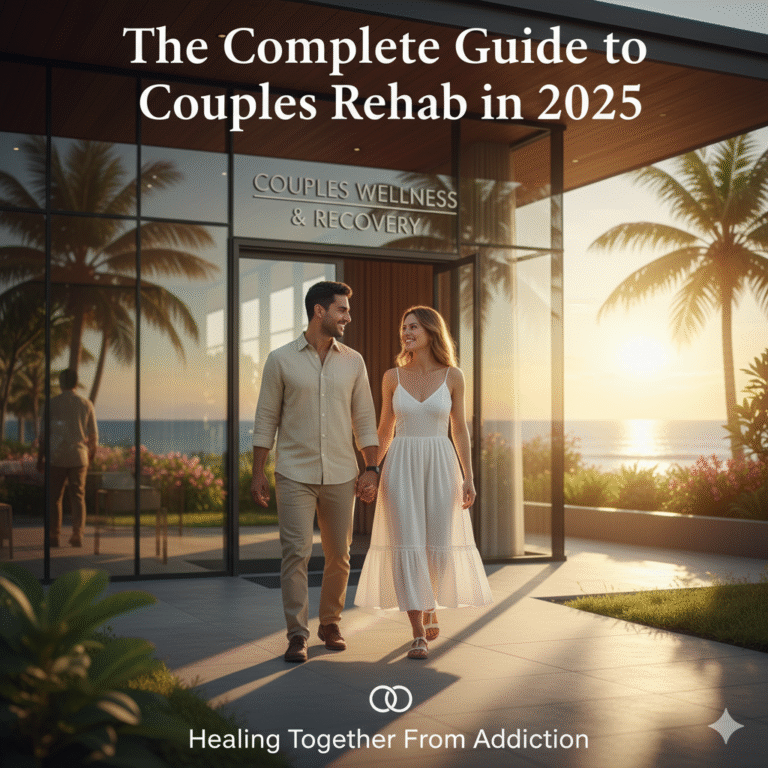
The Complete Guide to Couples Rehab in 2025 Healing Together From Addiction

Addiction can pull even the strongest relationships apart. But recovery doesn’t have to be a solo journey. Couples rehab offers partners the opportunity to heal together — addressing both substance use and the relationship patterns that fuel it.

At CouplesRehab.com, we help partners across the U.S. find trusted, confidential addiction treatment programs designed for couples ready to rebuild their lives together. This complete 2025 guide explains how couples rehab works, what to expect, and how to take the first step toward recovery as a team.


What Is Couples Rehab?

Couples rehab is a specialized form of addiction treatment that allows romantic partners to enter recovery together. Unlike traditional rehab programs, couples rehab focuses on two interconnected goals:

  1. Individual sobriety — helping each partner overcome addiction.
  2. Relationship healing — repairing communication, trust, and emotional connection.

Couples rehab combines the structure of substance abuse treatment with relationship-focused therapy. Partners participate in both individual and joint counseling, learning how to support each other’s recovery while maintaining healthy independence.

Most couples rehab programs treat:

  • Alcohol and drug addiction
  • Prescription medication misuse
  • Dual diagnosis (mental health + substance use)
  • Codependency and behavioral addictions

Whether you’re married, engaged, or in a long-term relationship, couples rehab helps both partners move toward recovery — together.


How Couples Rehab Works: A Step-by-Step Overview

Every couple’s journey looks different, but most programs follow a similar structure. Here’s what you can expect:

1. Assessment and Intake

Both partners undergo a full clinical and psychological evaluation. The goal is to understand:

  • The substances being used
  • Mental health conditions
  • Relationship dynamics and triggers
  • Readiness for treatment

From there, a customized treatment plan is built for each individual and for the couple as a unit.

2. Medical Detox (If Needed)

If one or both partners are dependent on alcohol, opioids, or other substances, a medically supervised detox is often the first step. Detox ensures that withdrawal is managed safely and comfortably.

3. Individual Therapy

Each partner works privately with a licensed therapist to address personal challenges, trauma, and addiction-related behaviors.

Common evidence-based methods include:

  • Cognitive Behavioral Therapy (CBT)
  • Dialectical Behavior Therapy (DBT)
  • Motivational Interviewing (MI)
  • Trauma-focused therapy

4. Couples Therapy

This is where couples rehab stands apart. Joint sessions help partners rebuild trust, learn communication skills, and develop relapse-prevention strategies that work as a team.

Therapists guide couples through topics like:

  • Rebuilding intimacy and emotional connection
  • Managing triggers and conflict
  • Creating healthy accountability
  • Setting shared goals for recovery and life after rehab

5. Group Therapy

Couples often attend group sessions with others in similar situations. Hearing from other couples helps normalize the challenges of addiction and recovery.

6. Family Involvement

Some programs include family therapy or workshops for extended loved ones. This helps rebuild supportive environments that strengthen long-term recovery.

7. Aftercare Planning

Before discharge, couples and their care team create an aftercare plan that includes:

  • Continued therapy
  • 12-step or alternative support groups
  • Relapse-prevention tools
  • Sober housing options (if needed)

Aftercare is where real-life recovery continues — and it’s often the most important phase of all.


Benefits of Couples Rehab

Recovery can be lonely, but when both partners commit together, the results can be transformative. Key benefits include:

1. Shared Motivation

When both partners are working toward sobriety, there’s less temptation and more accountability.

2. Stronger Relationship Bonds

Through therapy, couples learn how to rebuild trust, communicate effectively, and rediscover emotional and physical intimacy.

3. Lower Relapse Rates

Studies show that couples who recover together often maintain sobriety longer, particularly when they continue therapy post-rehab.

4. Emotional Support

The process of detox and therapy can be emotionally draining. Having your partner beside you provides comfort and motivation.

5. Healing for Both

Even if only one partner struggles with addiction, couples rehab treats the relationship as the patient. This helps both individuals grow and heal.


Types of Couples Rehab Programs

Inpatient Couples Rehab

Partners live at the treatment center full-time, typically for 30–90 days.
Best for: Severe addiction, unsafe home environments, or relapse risk.

Outpatient Couples Rehab

Allows partners to live at home while attending therapy several times per week.
Best for: Mild to moderate addiction, stable home life, or after completing inpatient rehab.

Luxury Couples Rehab

Provides high-end amenities (private suites, holistic therapies, ocean or mountain settings).
Best for: Couples seeking comfort and privacy during treatment.

Faith-Based or Holistic Programs

Some couples prefer programs that integrate spirituality, yoga, meditation, or holistic healing alongside traditional therapy.

No matter which format you choose, the best program is one that fits your unique needs, not just your insurance plan or location.


Does Insurance Cover Couples Rehab?

In most cases, yes — insurance can cover part or all of the cost of couples rehab if it’s deemed medically necessary. Coverage depends on your plan and provider.

Major insurers that may include couples rehab benefits:

  • Aetna
  • Anthem Blue Cross
  • Blue Shield
  • Cigna
  • Humana
  • UnitedHealthcare

You can verify coverage quickly through CouplesRehab.com with no obligation.

Verify Your Insurance Now →
This confidential form helps determine which programs accept your policy and what your out-of-pocket costs might be.


How Much Does Couples Rehab Cost in 2025?

The cost varies widely depending on location, amenities, and program type:

Program TypeAverage Cost (per couple)
Inpatient (30 days)$10,000 – $40,000
Outpatient (8–12 weeks)$4,000 – $12,000
Luxury Inpatient$50,000 – $100,000+

Insurance can often cover 60–90% of these costs, depending on your deductible and benefits.

If you don’t have insurance, many centers offer payment plans or financing options. The most important thing is not to delay getting help because of financial concerns — your relationship and health are worth it.


Finding the Best Couples Rehab Program

Choosing the right program can feel overwhelming. Here’s what to look for:

Accreditation:
Centers should be licensed and accredited by bodies such as CARF or The Joint Commission (JCAHO).

Experienced Staff:
Look for facilities with therapists who specialize in couples and family therapy in addition to addiction treatment.

Evidence-Based Therapies:
CBT, DBT, EMDR, and family systems therapy are gold standards for long-term recovery.

Dual Diagnosis Support:
Many couples face both addiction and mental health challenges such as anxiety, depression, or trauma.

Aftercare Planning:
Top programs include continued support for relapse prevention and relationship maintenance.

💡 Pro Tip: Avoid facilities that claim “guaranteed success” or hide pricing. Transparency and accreditation are signs of a trustworthy program.


Real Stories of Couples in Recovery

“When I entered treatment with my husband, I wasn’t sure our marriage could survive. But through therapy, we learned to communicate again — not just about addiction, but about everything. Two years later, we’re sober, strong, and closer than ever.”
Anonymous, 2024 graduate

Stories like this are common. Couples rehab doesn’t just treat addiction — it rebuilds connection. Many partners leave treatment not only sober but with renewed trust, love, and hope.


FAQs About Couples Rehab

Can couples go to rehab together?
Yes. Many facilities now offer specialized tracks for couples where both partners receive treatment together.

Do both partners need to have an addiction?
No. One partner may attend primarily for support, especially when codependency or enabling behavior is present.

Is couples rehab effective?
Yes. Studies suggest joint treatment can improve outcomes when both partners are committed and therapy includes relapse prevention planning.

Can LGBTQ+ couples attend?
Absolutely. Most reputable programs welcome all couples regardless of gender or sexual orientation.

What happens if one partner relapses?
The program’s therapists help address the relapse constructively and re-evaluate aftercare or treatment plans.

How long does couples rehab last?
Most programs range from 30 to 90 days, but duration depends on progress, insurance coverage, and clinical needs.


How to Get Started

The first step toward recovery is often the hardest — but you don’t have to take it alone.

At CouplesRehab.com, we help couples find trusted, licensed treatment centers across the country. Whether you need inpatient care, outpatient therapy, or simply want to verify your insurance, our team provides free, confidential guidance.

💬 Take the First Step Together:
Call (888) 500-2110 or verify your insurance online today.
Compassionate help is available 24/7.


Conclusion: Healing as a Team

Addiction doesn’t just affect one person — it affects the entire relationship. Couples rehab is about more than getting sober; it’s about learning how to support, understand, and grow together.

If you and your partner are ready to take that step, CouplesRehab.com is here to help guide the way — from insurance verification to matching you with a program that fits your goals, budget, and healing journey.

❤️ You don’t have to face addiction alone — recovery is possible, together.

How to Reconnect: Overcoming Silence in Your Relationship

In my three decades as an addiction and mental health specialist, I’ve witnessed countless couples sitting across from each other in uncomfortable silence, desperately searching for words that seem to have disappeared from their relationship. The challenges of couples who don’t have anything to talk about represent one of the most profound indicators of relationship distress I encounter in my practice.

This communication breakdown doesn’t happen overnight. It’s a gradual erosion that often leaves partners feeling like strangers living under the same roof. Understanding why this happens and how to rebuild meaningful dialogue is crucial for relationship survival and recovery.

The Silent Crisis: Understanding Communication Breakdown

Why Don’t Couples Talk to Each Other Anymore?

The lack of conversation in a relationship typically stems from multiple interconnected factors. Over my years of practice, I’ve identified several primary contributors to this concerning trend:

Emotional Overwhelm and Withdrawal: When individuals face personal struggles with addiction, depression, or anxiety, they often retreat inward. This self-protective mechanism can create an impenetrable barrier between partners, leading to what appears as indifference but is actually emotional overwhelm.

Fear of Conflict: Many couples develop patterns where they avoid meaningful conversations to prevent arguments. This conflict avoidance gradually eliminates deeper discussions, leaving only surface-level interactions about logistics and daily tasks.

Technology and Distraction: Modern life presents countless distractions that can gradually replace intimate conversation. Partners may find themselves more engaged with their devices than with each other, creating a subtle but persistent disconnect.

Unresolved Trauma: Past experiences, whether related to addiction, mental health struggles, or relationship betrayals, can create invisible walls that prevent authentic communication.

The Role of Addiction and Mental Health in Communication Breakdown

How Addiction Ruins Communication Between Couples

Substance abuse fundamentally alters brain chemistry and emotional regulation, making meaningful conversation increasingly difficult. When I work with couples where addiction is present, I observe several distinct patterns:

Chemical Interference: Substances directly impact the brain’s communication centers, making it difficult for individuals to process emotions, form coherent thoughts, or engage in meaningful dialogue. The person struggling with addiction may find themselves unable to articulate feelings or connect authentically with their partner.

Shame and Secrecy: Addiction thrives in secrecy, creating a parallel life that cannot be shared with a partner. This secrecy naturally reduces available conversation topics and creates emotional distance.

Codependency Dynamics: Partners of individuals with addiction often develop codependent patterns that further complicate communication. The non-addicted partner may become so focused on managing their partner’s addiction that they lose touch with their own needs and feelings, leaving little to discuss beyond crisis management.

Depression’s Impact on Relationship Communication

When depression affects one or both partners, communication often becomes one of the first casualties. Depression can manifest as:

  • Emotional Numbing: The inability to feel or express emotions naturally
  • Cognitive Fog: Difficulty organizing thoughts or finding words
  • Social Withdrawal: A tendency to isolate, even from intimate partners
  • Negative Thought Patterns: Assuming conversations will be futile or harmful

These symptoms create a perfect storm for communication breakdown, where partners may want to connect but find themselves unable to bridge the emotional distance depression creates.

Recognizing the Signs of Emotional Distance

Identifying When Comfortable Silence Becomes Problematic

Not all quiet moments indicate relationship problems. Comfortable silence between long-term partners can actually demonstrate deep intimacy and security. However, there’s a distinct difference between peaceful silence and emotional disconnection:

Healthy Silence Characteristics:

  • Partners feel relaxed and connected even without conversation
  • Eye contact and physical affection remain present
  • Both individuals feel comfortable initiating conversation when desired
  • Shared activities occur naturally without forced interaction

Problematic Silence Indicators:

  • Tension or discomfort during quiet moments
  • Avoidance of eye contact or physical proximity
  • Feeling like strangers despite sharing living space
  • Anxiety about what to say when conversation is necessary
  • Relief when one partner leaves the room

The Connection Between Anxiety and Communication Difficulties

Anxiety disorders significantly impact relationship communication in ways that often go unrecognized. Partners with anxiety may:

  • Overthink Conversations: Analyzing every word for potential negative meanings
  • Avoid Difficult Topics: Fear of triggering anxiety attacks or emotional overwhelm
  • Physical Symptoms: Experiencing physical discomfort during attempts at meaningful conversation
  • Perfectionism: Waiting for the “perfect” moment or words, which never comes

This anxiety in a relationship with no conversation creates a vicious cycle where the lack of communication increases anxiety, which further inhibits communication attempts.

Practical Solutions for Rebuilding Communication

Communication Exercises for Silent Partners

Based on decades of clinical experience, I recommend these evidence-based approaches for couples struggling with conversation:

The Daily Check-In Method: Partners commit to spending 10 minutes daily sharing three specific items: one highlight from their day, one challenge they faced, and one thing they’re grateful for about their partner.

Structured Conversation Prompts: Using predetermined questions removes the pressure of spontaneous conversation while building communication skills. Examples include discussing childhood memories, future dreams, or hypothetical scenarios.

Active Listening Practice: Partners take turns speaking for two minutes while the other practices active listening without interrupting or formulating responses.

Professional Intervention: When to Seek Help

Couples therapy for communication problems becomes essential when:

  • Self-help attempts consistently fail
  • Conversations regularly escalate into arguments
  • One or both partners feel hopeless about improvement
  • Addiction or mental health issues complicate the relationship dynamic
  • Trust has been significantly damaged

Couples Rehab offers specialized programs designed to address both substance abuse and relationship communication challenges simultaneously. This dual approach recognizes that addiction recovery and relationship healing are interconnected processes that benefit from integrated treatment.

Specialized Treatment Approaches

Inpatient Couples Rehab for Communication Issues

For couples where substance abuse significantly impacts communication, inpatient couples rehab for communication issues provides intensive, focused intervention. These programs typically include:

Individual Therapy: Addressing personal trauma, mental health conditions, and addiction issues that contribute to communication barriers

Couples Behavioral Therapy: Specifically designed interventions that teach practical communication skills while addressing underlying relationship dynamics

Group Therapy: Learning from other couples facing similar challenges provides perspective and reduces isolation

Family Systems Work: Understanding how family patterns and generational trauma impact current communication styles

The comprehensive services available through specialized treatment centers address the complex interplay between addiction, mental health, and relationship functioning.

Rebuilding Communication After Addiction Recovery

The Unique Challenges of Recovery Communication

Rebuilding communication after addiction recovery presents distinct challenges that require specialized understanding. During active addiction, couples often develop crisis-focused communication patterns that no longer serve them in recovery.

Learned Helplessness: Partners may have stopped trying to communicate meaningfully after repeated failed attempts during active addiction

Trust Rebuilding: Recovery requires rebuilding trust while simultaneously learning new communication patterns

Identity Changes: Individuals in recovery often experience significant identity shifts that impact their communication style and needs

Emotional Regulation: Learning to communicate without the emotional numbing effects of substances requires developing new coping skills

Evidence-Based Approaches to Communication Recovery

Research from the Substance Abuse and Mental Health Services Administration (SAMHSA) demonstrates that structured therapeutic interventions significantly improve communication outcomes for couples in recovery.

Couples behavioral therapy incorporates techniques specifically designed for recovery contexts, including:

  • Communication skills training adapted for early recovery stages
  • Conflict resolution strategies that account for emotional sensitivity
  • Trust rebuilding exercises that progress gradually
  • Relapse prevention planning that includes communication triggers

Creating Sustainable Change

Long-Term Strategies for Communication Success

Sustainable communication improvement requires ongoing commitment and realistic expectations. Based on my clinical experience, successful couples typically:

Establish Regular Communication Rituals: Creating predictable times and spaces for meaningful conversation reduces anxiety and builds consistency

Practice Patience with Progress: Communication skills develop gradually, particularly when complicated by addiction or mental health challenges

Address Individual Issues: Personal therapy for depression, anxiety, or trauma often proves essential for relationship communication improvement

Maintain Professional Support: Regular couples therapy sessions, even after initial improvement, help maintain progress and address new challenges

The Science Behind Communication Breakdown

Neurobiological Factors in Relationship Communication

Understanding the neurobiological aspects of communication breakdown helps couples approach healing with compassion rather than blame. Research from the National Institute on Drug Abuse (NIDA) reveals how addiction literally rewires brain circuits responsible for communication and emotional regulation.

Similarly, studies from the National Institute of Mental Health (NIMH) demonstrate how depression and anxiety disorders impact the brain regions responsible for social connection and verbal expression.

This scientific understanding helps couples recognize that communication difficulties aren’t character flaws but treatable conditions that respond to appropriate intervention.

Prevention and Early Intervention

Protecting Your Relationship from Communication Breakdown

Preventing communication breakdown is significantly easier than repairing it after it’s established. Key prevention strategies include:

Regular Relationship Maintenance: Scheduling weekly relationship check-ins prevents small issues from becoming major communication barriers

Individual Mental Health Care: Addressing personal mental health needs protects the relationship from becoming overwhelmed by individual struggles

Addiction Prevention and Early Intervention: Recognizing and addressing substance use patterns before they become full-blown addictions

Stress Management: Developing healthy coping strategies for life stressors prevents communication shutdown during difficult periods

Hope for Healing

Success Stories from Clinical Practice

Throughout my career, I’ve witnessed remarkable transformations in couples who seemed to have lost all connection. One couple, married for fifteen years, came to treatment after months of virtually no meaningful conversation. Through intensive therapy that addressed both addiction and communication patterns, they rediscovered not only their ability to talk but their genuine enjoyment of each other’s company.

Another couple, where depression had created seemingly impenetrable silence, learned to create safe spaces for vulnerable communication. They developed a ritual of evening walks where the pressure to maintain eye contact was removed, allowing for more natural conversation flow.

These success stories illustrate that with proper intervention and commitment, couples can overcome even the most challenging communication barriers.

Moving Forward: Taking the First Step

If you recognize your relationship in this description, know that help is available. The challenges of couples who don’t have anything to talk about are complex but entirely treatable with the right support and intervention.

Consider reaching out for professional help through contact with specialized treatment providers who understand the intricate relationship between addiction, mental health, and communication patterns.

Recovery is possible, both individually and as a couple. With proper support, evidence-based treatment, and commitment to growth, couples can rediscover the joy of meaningful conversation and deep emotional connection.


Frequently Asked Questions

Understanding the Problem

Why do couples stop having things to talk about? Couples typically stop communicating due to a combination of factors including unresolved conflict avoidance, emotional overwhelm from personal struggles, technology distractions, and underlying mental health or addiction issues. This process usually occurs gradually as partners become more focused on individual survival rather than relationship connection.

Is it normal for a couple to not have a lot to say to each other? While comfortable silence can indicate deep intimacy in long-term relationships, a persistent lack of meaningful conversation typically signals underlying relationship distress. Normal couple communication involves regular sharing of thoughts, feelings, and experiences, even if conversations aren’t constant.

What are the signs of a communication breakdown in a relationship? Key indicators include avoiding eye contact during conversations, feeling relieved when your partner leaves the room, anxiety about what to say during necessary interactions, conversations limited to logistics only, and feeling like strangers despite living together.

How does a lack of conversation affect a long-term relationship? Communication breakdown gradually erodes emotional intimacy, increases feelings of loneliness, reduces relationship satisfaction, and often leads to infidelity or separation. Partners may develop parallel lives with little meaningful connection.

What’s the difference between comfortable silence and emotional distance? Comfortable silence feels peaceful and connected, with partners maintaining physical affection and feeling free to initiate conversation when desired. Emotional distance feels tense, involves avoidance behaviors, and creates anxiety about potential conversations.

The Role of Addiction and Mental Health

How does a partner’s depression affect communication in a relationship? Depression creates emotional numbing, cognitive fog, and social withdrawal that directly impair communication abilities. Depressed partners may struggle to articulate feelings, lose interest in sharing experiences, and assume conversations will be pointless or harmful.

Can addiction be a reason we have nothing to talk about? Yes, addiction fundamentally disrupts communication through chemical interference with brain function, creation of secret behaviors that can’t be shared, shame that prevents authentic expression, and crisis-focused relationship patterns that eliminate normal conversation topics.

Does codependency prevent couples from having real conversations? Codependency creates communication patterns focused entirely on managing the addicted partner’s behavior rather than sharing authentic thoughts and feelings. The codependent partner often loses touch with their own emotional needs, leaving little personal content to share.

How can my partner’s substance use cause a communication breakdown? Substance use impairs emotional regulation, creates unpredictable mood changes, interferes with memory and cognitive function, and establishes secretive behavior patterns. Partners often stop attempting meaningful conversation due to inconsistent or negative responses.

What role does anxiety play in a couple’s inability to communicate? Anxiety creates overthinking patterns, fear of saying the wrong thing, physical discomfort during conversations, and avoidance of topics that might trigger anxiety symptoms. This leads to increasingly limited conversation topics and emotional withdrawal.

Finding a Solution

How can we fix our relationship when there’s nothing to talk about? Start with structured approaches like daily check-ins with specific prompts, practice active listening exercises, address underlying individual mental health or addiction issues, and consider professional couples therapy. Improvement requires patience and consistent effort from both partners.

What are some conversation starters for couples who are struggling? Effective prompts include sharing daily highlights and challenges, discussing childhood memories, exploring future dreams together, asking hypothetical questions, and expressing gratitude for specific partner qualities. Start with less emotionally charged topics.

Is couples therapy the only way to fix a lack of communication? While professional help significantly improves outcomes, couples can make progress through self-help approaches including communication exercises, individual therapy for underlying issues, and consistent practice of structured conversation techniques. However, complex cases often require professional intervention.

How can we learn to talk to each other again after addiction recovery? Recovery communication requires rebuilding trust simultaneously with developing new conversation skills, practicing emotional regulation without substances, addressing shame and guilt that inhibit sharing, and working with therapists experienced in addiction recovery relationships.

What communication exercises can help a quiet couple? Effective exercises include the daily check-in method, active listening practice, structured conversation prompts, emotion identification exercises, and gradual intimacy building through shared activities followed by discussion of the experience.

Path to a Healthier Relationship

How do you rebuild trust and communication after a partner’s relapse? Trust rebuilding requires consistent honesty over time, professional therapeutic support, clear boundaries and accountability measures, individual work on underlying issues, and patience with the non-linear nature of recovery and relationship healing.

What kind of therapy is best for communication problems in couples? Evidence-based approaches include Emotionally Focused Therapy (EFT), Gottman Method Couples Therapy, and specialized addiction-focused couples therapy. The most effective approach addresses both individual mental health needs and relationship dynamics simultaneously.

Can a couple with a history of substance abuse learn to talk openly? Yes, with appropriate treatment and commitment. Recovery creates opportunities for deeper authenticity and emotional connection than may have ever existed in the relationship. Professional support significantly improves success rates.

How do we prevent our relationship from becoming emotionally distant? Prevention strategies include regular relationship maintenance conversations, individual mental health care, stress management techniques, addressing substance use early, maintaining physical affection, and scheduling quality time together without distractions.

When should a couple seek help from a professional for their communication issues? Seek professional help when self-help attempts consistently fail, conversations regularly escalate into conflict, either partner feels hopeless about improvement, addiction or mental health issues complicate the relationship, or when trust has been significantly damaged.


This article was created to provide educational information about relationship communication challenges. If you or your partner are struggling with addiction, mental health issues, or communication problems, please seek professional help. For comprehensive treatment options, visit specialized providers who understand the complex relationship between individual wellness and relationship health.

Additional Resources:

couples detox

Addiction rarely affects just one person. When couples struggle with substance abuse, the impact ripples through every aspect of their shared life—from daily routines and financial stability to intimacy and trust. After three decades of working in addiction medicine and witnessing thousands of recovery journeys, I’ve observed that some of the most profound transformations occur when partners choose to heal together through couples detox programs.

The decision to enter a couples detox program represents more than just addressing individual addiction; it’s a commitment to rebuilding the foundation of a relationship while simultaneously breaking free from destructive patterns. This comprehensive approach acknowledges that addiction exists within the context of relationships and that recovery, too, can be strengthened by addressing both individual and relational healing simultaneously.

At Couples Rehab in Huntington Beach, California, I’ve had the privilege of guiding countless couples through this transformative process. The journey isn’t always smooth, but the outcomes consistently demonstrate that when partners support each other through recovery, they often achieve longer-lasting sobriety and deeper relationship satisfaction than those who attempt recovery in isolation.

Understanding Couples Detox: A Revolutionary Approach to Recovery

Couples detox represents a paradigm shift in addiction treatment, moving beyond the traditional model of separating partners during the vulnerable early stages of recovery. This specialized form of detox for couples recognizes that relationships can serve as powerful catalysts for healing when properly supported and structured.

Unlike individual detox programs where patients are isolated from their primary relationships during a critical time, couples addiction treatment allows partners to remain connected while receiving medically supervised withdrawal management. This approach addresses the unique challenges that couples face when addiction has become intertwined with their relationship dynamics.

The theoretical foundation of couples detox rests on decades of research in family systems theory and addiction science. We now understand that addiction operates within relational contexts, often involving patterns of codependency, enabling behaviors, and shared trauma responses. When these patterns remain unaddressed during individual treatment, they frequently contribute to relapse and relationship deterioration.

The Science Behind Joint Recovery

Recent studies in addiction medicine have revealed compelling evidence supporting the efficacy of couples-based interventions. Research published by the National Institute on Drug Abuse demonstrates that individuals who participate in couples addiction treatment show significantly higher rates of sustained abstinence compared to those who receive individual treatment alone.

The neurobiological aspects of recovery also support the couples approach. During detoxification, the brain undergoes significant chemical rebalancing as it adjusts to functioning without substances. Having a trusted partner present during this vulnerable period can help regulate stress hormones and provide crucial emotional support that facilitates the healing process.

Furthermore, the social learning theory suggests that recovery behaviors are more likely to be maintained when they’re reinforced within the primary relationship. When both partners commit to sobriety simultaneously, they create a supportive environment that reinforces healthy choices and provides accountability in real-time.

The Comprehensive Couples Detox Process

Initial Assessment and Medical Evaluation

The journey begins with a thorough assessment that evaluates both individual addiction severity and relationship dynamics. Our medical team conducts comprehensive physical examinations, psychological evaluations, and relationship assessments to develop a tailored treatment plan that addresses the unique needs of each couple.

This assessment phase is crucial because it identifies potential complications that might arise during joint detox. For instance, if one partner has a more severe addiction or co-occurring mental health condition, the treatment plan must account for these differences while maintaining the couples focus.

The medical evaluation also assesses the safety of joint detoxification. While most couples can safely detox together, certain combinations of substances or severity levels may require modified approaches to ensure optimal outcomes for both partners.

Medically Supervised Withdrawal Management

Professional detox services provide 24/7 medical supervision during the withdrawal process. This is particularly important for couples because withdrawal symptoms can vary significantly between partners, both in timing and intensity. Having medical professionals available ensures that each individual receives appropriate symptom management while maintaining the supportive couple environment.

The medical team employs evidence-based protocols for withdrawal management, utilizing medications when appropriate to minimize discomfort and reduce the risk of complications. For alcohol detox, this might include benzodiazepines to prevent seizures, while opioid withdrawal might be managed with medications like buprenorphine or methadone under careful supervision.

Therapeutic Integration During Detox

Unlike traditional detox programs that focus solely on medical stabilization, couples detox incorporates therapeutic interventions from the very beginning. This includes individual counseling sessions for each partner, couples therapy sessions, and group therapy with other couples facing similar challenges.

The therapeutic component during detox serves multiple purposes. First, it helps couples develop healthy communication patterns and coping strategies they can use during the vulnerable early stages of recovery. Second, it addresses the emotional turbulence that often accompanies withdrawal, providing tools for managing mood swings, anxiety, and depression without substances.

Specialized Approaches in Couples Addiction Treatment

Behavioral Couples Therapy (BCT) Integration

One of the most effective therapeutic modalities used in couples substance abuse treatment is Behavioral Couples Therapy (BCT). This evidence-based approach addresses both addiction and relationship issues simultaneously, recognizing that these problems are often interconnected.

BCT at our facility focuses on several key areas: improving communication skills, addressing substance-related triggers within the relationship, developing shared goals for recovery, and creating accountability systems that support both partners’ sobriety.

The therapy helps couples identify and modify behavioral patterns that may have contributed to substance use. For example, if arguments frequently led to drinking episodes, BCT helps couples develop healthier conflict resolution skills while simultaneously addressing the addiction.

Addressing Dual Diagnosis Challenges

Many couples entering detox present with co-occurring mental health conditions such as depression, anxiety, PTSD, or bipolar disorder. Dual-diagnosis couples rehab requires specialized expertise to address both addiction and mental health issues within the relationship context.

Our integrated treatment approach ensures that mental health symptoms are addressed alongside addiction, recognizing that untreated psychiatric conditions significantly increase the risk of relapse. This might involve medication management, specialized therapy modalities, and coordinated care between addiction specialists and mental health professionals.

Gender-Specific Considerations

While couples detox focuses on joint recovery, it’s important to acknowledge that addiction affects men and women differently. Our treatment programs incorporate gender-specific elements that address these differences while maintaining the couples focus.

For women, this might include addressing trauma history, body image issues, or reproductive health concerns. For men, treatment might focus on emotional expression, anger management, or addressing societal pressures around masculinity and vulnerability. These gender-specific interventions occur alongside couples work to ensure comprehensive healing.

couples detoxTherapeutic Modalities in Joint Detox Programs

Cognitive Behavioral Therapy for Couples

Cognitive Behavioral Therapy adapted for couples work addresses the thought patterns and behaviors that contribute to both addiction and relationship dysfunction. During detox, couples learn to identify triggers, challenge negative thought patterns, and develop healthier responses to stress and conflict.

This approach is particularly effective because it provides practical tools that couples can implement immediately. For instance, when one partner experiences cravings, the other learns how to provide appropriate support without enabling or becoming codependent.

Emotionally Focused Therapy (EFT) Applications

EFT helps couples understand and reshape the emotional patterns that drive their interactions. In the context of addiction, these emotional patterns often include cycles of pursuit and withdrawal, criticism and defensiveness, or emotional numbing and explosive reactions.

During detox, when emotions are particularly raw and unpredictable, EFT provides a framework for understanding these intense feelings and expressing them in ways that strengthen rather than damage the relationship.

Family Systems Interventions

Couples don’t exist in isolation; they’re part of larger family systems that may have been affected by addiction. Our treatment programs often include family therapy sessions that address how addiction has impacted children, parents, and extended family members.

These interventions help couples understand their role within the larger family system and develop strategies for rebuilding trust and healthy boundaries with family members who may have been hurt by their addiction.

Navigating the Emotional Landscape of Joint Recovery

Managing Withdrawal Symptoms Together

The physical symptoms of withdrawal—nausea, tremors, insomnia, and mood swings—can be challenging enough for individuals. When couples detox together, they must navigate not only their own symptoms but also support their partner through their withdrawal experience.

This requires developing new communication skills and emotional regulation strategies. Partners learn to recognize when their loved one is struggling with withdrawal symptoms versus relationship issues, and they develop appropriate responses for each situation.

Addressing Relationship Trauma

Addiction often causes significant relationship trauma, including broken promises, financial betrayal, emotional abandonment, and sometimes physical or verbal abuse. During detox, as the numbing effects of substances wear off, couples often confront these painful experiences for the first time.

Professional guidance is essential during this process because the intense emotions that arise can trigger cravings and potentially lead to relapse if not properly managed. Our therapists help couples process trauma in a structured, supportive environment that promotes healing rather than further damage.

Building New Intimacy Patterns

Addiction frequently disrupts intimacy in all its forms—emotional, physical, and spiritual. As couples detox together, they begin the process of rebuilding authentic connection without the artificial effects of substances.

This rebuilding process requires patience and professional guidance. Couples learn to communicate their needs directly, express vulnerability appropriately, and create new rituals of connection that support their recovery rather than triggering substance use.

Comprehensive Treatment Continuum

Inpatient Couples Rehab Transition

Following successful detox, most couples benefit from continuing their recovery journey through inpatient couples rehab. This extended treatment phase allows for deeper therapeutic work while maintaining the supportive couple environment established during detox.

Inpatient treatment typically lasts 30 to 90 days, depending on the severity of addiction and the complexity of relationship issues. During this time, couples participate in intensive individual and couples therapy, educational groups, and skill-building workshops that prepare them for long-term recovery.

Residential Treatment Considerations

For couples with severe addictions or complex trauma histories, residential treatment may be recommended. This extended care option provides a structured environment where couples can focus entirely on their recovery without the distractions and triggers of their home environment.

Residential programs typically include comprehensive services such as medical care, psychiatric treatment, individual and couples therapy, family counseling, recreational therapy, and vocational rehabilitation. The goal is to address all aspects of addiction and relationship dysfunction before transitioning to less intensive levels of care.

Sober Living Integration

Transitional sober living arrangements provide couples with a structured environment that bridges the gap between intensive treatment and independent living. These programs offer continued support while allowing couples to practice their recovery skills in a real-world setting.

Couples sober living programs typically include house meetings, accountability check-ins, continued therapy participation, and gradual reintegration into work and community responsibilities. This step-down approach significantly reduces the risk of relapse during the vulnerable early months of recovery.

Addressing Common Challenges and Concerns

Managing Different Recovery Paces

One of the most common challenges in couples recovery is when partners progress through treatment at different rates. This might occur due to differences in addiction severity, mental health status, motivation levels, or previous treatment experiences.

Successful couples programs address these differences by individualizing treatment plans while maintaining the couples focus. This might involve different medication protocols, varying therapy intensities, or specialized interventions for one partner while ensuring that the other doesn’t feel left behind or less important.

Handling Codependency and Enabling

Codependency and enabling behaviors are common in couples affected by addiction. These patterns often develop as survival mechanisms but ultimately perpetuate the addiction cycle. During couples detox, these behaviors are identified and addressed through specialized interventions.

Treatment focuses on helping each partner develop healthy independence while maintaining supportive connection. This balance is crucial for long-term recovery success because it prevents the relationship from becoming a trigger for substance use while preserving its healing potential.

Preventing Relapse Contagion

One concern often raised about couples treatment is the risk of “relapse contagion”—the possibility that one partner’s relapse might trigger the other’s return to substance use. While this is a valid concern, research indicates that couples who receive proper preparation and ongoing support are actually less likely to experience this outcome.

Prevention strategies include developing individual relapse prevention plans, creating accountability systems, establishing clear boundaries around substance use, and maintaining connection with treatment providers and recovery communities.

Long-term Recovery Planning and Aftercare

Comprehensive Aftercare Services

The transition from intensive treatment to independent living represents a critical period in couples recovery. Comprehensive aftercare services provide ongoing support during this vulnerable time, helping couples maintain their progress and continue growing in their recovery.

Aftercare typically includes continued couples therapy, individual counseling, support group participation, medication management when needed, and crisis intervention services. The frequency and intensity of these services gradually decrease as couples demonstrate stability and progress in their recovery.

Building Recovery Communities

Long-term success in couples recovery often depends on developing connections with others who share similar experiences and values. This might include couples-specific support groups, recovery-oriented social activities, and mentorship relationships with couples who have achieved long-term sobriety.

These connections provide ongoing encouragement, accountability, and practical advice for navigating the challenges of married life in recovery. They also help couples maintain perspective during difficult times and celebrate milestones and achievements together.

Ongoing Relationship Maintenance

Recovery is not a destination but an ongoing process that requires continued attention and effort. Successful couples develop maintenance strategies that include regular therapy check-ins, relationship skill refreshers, stress management techniques, and ongoing communication about recovery goals and challenges.

These maintenance activities help couples stay connected to their recovery motivation, address emerging issues before they become serious problems, and continue growing both individually and as a couple throughout their recovery journey.

Financial Considerations and Insurance Coverage

Understanding Treatment Costs

The cost of couples detox and rehabilitation varies significantly depending on factors such as program length, level of care, geographic location, and included amenities. While specialized couples programs may cost more than individual treatment, the investment often pays dividends in terms of reduced relapse rates and improved relationship satisfaction.

Many couples find that the cost of treatment is actually less than the ongoing expenses associated with addiction, including lost wages, legal fees, medical costs, and relationship counseling. When viewed as an investment in both health and relationship stability, couples treatment often proves to be cost-effective.

Insurance Coverage Options

Most major insurance plans provide coverage for addiction treatment, including detox and rehabilitation services. However, coverage for couples-specific programs may vary depending on the insurance provider and specific policy details.

It’s important to work with treatment facilities that have experience navigating insurance requirements and can help couples understand their coverage options. Many facilities also offer payment plans or sliding-scale fees to make treatment accessible to couples regardless of their financial situation.

Financial Planning for Recovery

Treatment facilities often provide financial counseling to help couples plan for both treatment costs and the financial adjustments that come with early recovery. This might include budgeting assistance, debt management strategies, and planning for income changes during treatment.

This financial planning component is particularly important for couples because addiction often creates financial instability that can become a source of stress and potential relapse trigger if not properly addressed.

Choosing the Right Treatment Facility

Accreditation and Licensing

When selecting a couples detox facility, it’s crucial to verify proper licensing and accreditation. Look for facilities that are licensed by state regulatory agencies and accredited by organizations such as The Joint Commission or CARF (Commission on Accreditation of Rehabilitation Facilities).

These accreditations ensure that the facility meets strict standards for safety, treatment quality, and ethical practices. They also indicate that the facility undergoes regular inspections and maintains current best practices in addiction treatment.

Staff Qualifications and Experience

The quality of treatment largely depends on the qualifications and experience of the treatment team. Look for facilities that employ licensed addiction counselors, medical doctors specializing in addiction medicine, and therapists with specific training in couples therapy and addiction treatment.

It’s also important to consider the staff’s experience working with couples. Treating couples requires specialized skills that go beyond individual addiction treatment, including understanding relationship dynamics, managing dual treatment plans, and addressing the unique challenges that arise in couples recovery.

Treatment Philosophy and Approach

Different treatment facilities may emphasize different therapeutic approaches or treatment philosophies. Some may focus primarily on 12-step programs, while others may emphasize cognitive-behavioral approaches, holistic therapies, or specific modalities like EMDR or neurofeedback.

The best choice depends on the specific needs and preferences of each couple. It’s important to discuss treatment philosophy during the admissions process to ensure alignment between the couple’s goals and the facility’s approach.

Facility Environment and Amenities

The physical environment of a treatment facility can significantly impact the treatment experience. Look for facilities that provide comfortable, safe environments that promote healing and recovery. This might include private or semi-private accommodations, recreational facilities, and spaces designed for couples therapy and activities.

However, it’s important to remember that luxury amenities, while pleasant, are less important than the quality of clinical care. The focus should be on finding a facility that provides excellent treatment in a supportive environment rather than one that simply offers impressive amenities.

Frequently Asked Questions About Couples Detox

What is the difference between a couples detox program and individual detox?

The primary difference between couples detox and individual detox lies in the relational context and therapeutic approach. While individual detox focuses solely on helping one person safely withdraw from substances, couples detox addresses both individual addiction and relationship dynamics simultaneously.

In couples detox, partners remain together throughout the process, participating in joint therapy sessions while also receiving individual treatment. This approach recognizes that addiction affects relationships and that recovery can be strengthened by addressing both individual and relational healing. The medical supervision and withdrawal management protocols remain the same, but the therapeutic interventions specifically address relationship issues, communication patterns, and shared recovery goals.

Can we go to detox together if only one of us is addicted?

Yes, many couples detox programs accommodate situations where only one partner has a substance abuse problem. In these cases, the non-addicted partner participates as a supportive family member, learning about addiction, developing healthy responses to their partner’s recovery needs, and addressing any relationship issues that may have developed as a result of living with addiction.

The non-addicted partner typically participates in couples therapy sessions, educational groups about addiction and recovery, and family therapy interventions. This involvement often strengthens the recovery process for the addicted partner while helping the relationship heal from the impact of addiction.

Do we stay in the same room during a couples detox program?

Accommodation arrangements vary by facility and individual circumstances. Some programs offer couples rooms where partners can stay together throughout detox, while others provide separate rooms with opportunities for structured together time.

The decision about rooming arrangements typically depends on factors such as the severity of withdrawal symptoms, relationship stability, and clinical recommendations. Some couples benefit from staying together for mutual support, while others may need some space during the acute withdrawal phase before transitioning to shared accommodations.

How long does couples detox typically take?

The duration of couples detox varies depending on several factors, including the substances involved, the severity of addiction, overall health status, and individual response to treatment. Most detox programs last between 3-10 days, though some may extend longer for complex cases.

Alcohol detox typically takes 3-7 days, while opioid detox may take 5-10 days or longer. Detox from multiple substances or in cases involving medical complications may require extended stays. The medical team continuously monitors progress and adjusts the timeline as needed to ensure safe and complete withdrawal.

What happens after detox? Is couples therapy part of the next step?

Following successful detox, most couples transition to continued addiction treatment, which typically includes intensive couples therapy as a core component. This might involve inpatient rehabilitation, intensive outpatient programs, or residential treatment, depending on individual needs and circumstances.

The post-detox phase focuses on developing recovery skills, addressing underlying addiction causes, rebuilding relationship trust, and preparing for long-term sobriety. Couples therapy continues throughout this process, helping partners develop healthy communication, establish recovery goals, and create supportive home environments.

Can we both get help for different substances in the same program?

Yes, couples detox programs are designed to address different types of substance abuse within the same treatment episode. One partner might be detoxing from alcohol while the other withdraws from opioids or stimulants. The medical team develops individualized protocols for each person while maintaining the couples treatment focus.

This individualized approach ensures that each partner receives appropriate medical care and symptom management while participating in joint therapeutic activities. The different withdrawal timelines and symptoms are managed through careful coordination and specialized nursing care.

What if we are at different stages of addiction? Is a couples program still right for us?

Couples programs can accommodate partners who are at different stages of addiction, though this requires careful assessment and individualized treatment planning. The key factor is whether both partners are committed to recovery and willing to support each other through the process.

The treatment team evaluates factors such as motivation levels, addiction severity, previous treatment experiences, and relationship stability to determine if couples treatment is appropriate. In some cases, one partner may need individual treatment first before joining their partner in couples-focused interventions.

What types of therapy are used in couples detox and rehab?

Couples detox and rehab programs typically employ multiple therapeutic modalities, including Behavioral Couples Therapy (BCT), Cognitive Behavioral Therapy adapted for couples, Emotionally Focused Therapy (EFT), and family systems interventions.

Additional approaches might include trauma-informed therapy, mindfulness-based interventions, communication skills training, and recreational therapy. The specific combination of therapies is tailored to each couple’s needs, relationship dynamics, and recovery goals.

How do we handle the emotional challenges of detoxing together?

Managing emotions during couples detox requires developing new communication skills and emotional regulation strategies. The treatment team provides guidance on recognizing withdrawal-related mood changes versus relationship issues, expressing needs appropriately, and supporting each other without enabling.

Couples learn techniques for managing anxiety, depression, irritability, and other emotional symptoms while maintaining supportive connection. This includes stress management techniques, conflict resolution skills, and healthy ways to seek and provide comfort during difficult moments.

Will detoxing together put a strain on our relationship?

While couples detox can be emotionally challenging, research indicates that couples who detox together with proper professional support typically experience relationship improvement rather than increased strain. The shared experience often strengthens bonds and creates mutual understanding of recovery challenges.

However, success depends on having appropriate therapeutic support, commitment from both partners, and willingness to address relationship issues that may surface during treatment. Professional guidance helps couples navigate challenges constructively rather than allowing them to damage the relationship.

How does a couples program address codependency and enabling behaviors?

Couples programs specifically target codependency and enabling through education, individual therapy, and couples counseling focused on healthy relationship dynamics. Partners learn to identify codependent patterns, develop appropriate boundaries, and create supportive relationships that don’t perpetuate addiction.

This work includes developing individual identities and interests, learning when and how to provide support, understanding the difference between helping and enabling, and creating accountability systems that promote recovery for both partners.

What if one of us relapses during or after the program?

Couples programs include comprehensive relapse prevention planning that addresses the possibility of one or both partners returning to substance use. This includes developing individual and couple-specific relapse prevention strategies, establishing clear boundaries around substance use, and creating action plans for handling relapse situations.

If relapse occurs, the treatment team works with the couple to assess the situation, adjust treatment plans as needed, and prevent the relapse from derailing the other partner’s recovery or damaging the relationship permanently.

Is it a good idea to go to rehab together if our relationship is already unstable?

Relationship instability doesn’t automatically disqualify couples from joint treatment, but it does require careful assessment to determine if couples treatment is appropriate or if individual work should occur first. Factors considered include the nature of relationship problems, commitment to recovery, safety concerns, and willingness to address relationship issues.

In some cases, a period of individual treatment or separation may be recommended before couples work begins. In other situations, the structure and support of couples treatment can actually help stabilize the relationship while addressing addiction.

How do we rebuild trust after addiction has damaged our relationship?

Trust rebuilding is a central focus of couples addiction treatment, addressed through specific therapeutic interventions and structured activities. This process includes honest communication about past hurts, taking responsibility for addiction-related behaviors, developing new patterns of reliability and honesty, and creating opportunities for positive shared experiences.

Trust rebuilding takes time and requires consistent effort from both partners. The treatment program provides tools and guidance for this process while setting realistic expectations about the timeline and challenges involved.

Does insurance cover couples detox and rehab?

Most major insurance plans provide coverage for addiction detox and rehabilitation services, though coverage for couples-specific programs may vary by provider and policy. Many insurance plans recognize couples treatment as medically necessary when both partners have substance abuse issues.

It’s important to verify coverage details before beginning treatment and to work with facilities that have experience navigating insurance requirements. Treatment facilities typically provide assistance with insurance verification and can help couples understand their coverage options.

How much does a couples detox program cost?

The cost of couples detox varies significantly based on factors such as program length, level of medical supervision, facility location, and included services. Costs typically range from $1,000 to $5,000 per person for detox services, though couples programs may offer package pricing.

Many facilities offer payment plans, sliding-scale fees, or other financial assistance options. When considering costs, it’s important to factor in the potential savings from avoiding continued addiction-related expenses and the value of relationship preservation and improvement.

How do we find a reputable detox center that offers couples programs?

Finding a reputable couples detox center requires research into licensing, accreditation, staff qualifications, and treatment outcomes. Start by verifying that facilities are licensed by state agencies and accredited by organizations like The Joint Commission or CARF.

Research staff qualifications, treatment approaches, and success rates. Read reviews and testimonials, but remember that specific outcomes depend on individual circumstances. Consider visiting facilities in person or attending virtual tours to get a feel for the environment and treatment philosophy.

What should we look for when choosing a couples detox facility?

Key factors to consider include proper licensing and accreditation, qualified medical and therapeutic staff, evidence-based treatment approaches, experience with couples treatment, appropriate medical supervision capabilities, and supportive facility environment.

Also consider practical factors such as location, insurance acceptance, cost, family involvement policies, and continuing care options. The most important factor is finding a facility that specializes in couples treatment and has a track record of successful outcomes.

What are the common benefits of going through detox as a couple?

Common benefits include mutual support during the challenging withdrawal process, shared understanding of recovery experiences, improved relationship communication and intimacy, reduced isolation and shame, and strengthened commitment to sobriety goals.

Additional benefits often include better treatment engagement, reduced risk of relationship dissolution, improved family stability, and better long-term recovery outcomes. Couples often report feeling more motivated and accountable when their partner is also committed to recovery.

Can we involve our family or children in our treatment process?

Many couples programs include family therapy components that involve children and extended family members in appropriate ways. This might include family education sessions, communication workshops, and therapy sessions designed to address how addiction has affected family relationships.

The extent of family involvement depends on factors such as children’s ages, family dynamics, safety considerations, and treatment goals. Family involvement is typically structured and supervised by professional therapists to ensure positive outcomes for all family members.

Conclusion: Embracing Recovery Together

The journey of couples detox represents far more than simply removing substances from your systems—it’s about reclaiming your relationship, rebuilding trust, and creating a foundation for a shared future free from addiction. After decades of working with couples in recovery, I’ve witnessed the transformative power that occurs when partners choose to face their challenges together with professional support and unwavering commitment.

The path isn’t always easy. There will be moments of vulnerability, difficult conversations, and the challenging work of rebuilding patterns that may have developed over years of addiction. However, couples who persevere through this process often discover that their relationship becomes stronger and more authentic than it was before addiction entered their lives.

At Couples Rehab in Huntington Beach, we’ve seen countless couples transform not just their relationship with substances, but their relationship with each other. The couples detox process provides the medical safety and therapeutic support necessary to navigate this critical transition while maintaining the connection and mutual support that can make the difference between successful recovery and relapse.

If you and your partner are considering couples detox, remember that seeking help is a sign of strength, not weakness. It demonstrates your commitment to each other and to building a healthier future together. The investment you make in professional treatment now can pay dividends for decades to come, not just in terms of sobriety, but in relationship satisfaction, family stability, and overall life fulfillment.

The decision to recover together is one of the most courageous choices a couple can make. With proper support, evidence-based treatment, and mutual commitment, couples detox can be the beginning of a recovery journey that strengthens both individual health and relationship bonds for years to come.

Recovery is possible. Healing is possible. And when couples choose to walk this path together, they often discover that their love and commitment can be powerful allies in overcoming even the most challenging addiction. The first step is reaching out for help—and that step can transform everything that follows.

dual diagnosis addiction recovery

When addiction intersects with mental health conditions, the path to recovery becomes significantly more complex. Dual diagnosis addiction recovery represents one of the most challenging yet treatable aspects of modern addiction medicine. As a seasoned professional with over two decades of experience in addiction and mental health treatment, I’ve witnessed firsthand how understanding and properly addressing co-occurring disorders can transform lives.

The landscape of addiction treatment has evolved dramatically since I began my career. Back then, many treatment centers operated under the misguided belief that addiction and mental health issues should be treated separately. Today, we understand that this fragmented approach often leads to treatment failure and relapse. The integration of mental health and substance abuse treatment has become the gold standard, particularly for individuals presenting with dual diagnosis conditions.

Understanding the Foundation of Dual Diagnosis

Dual diagnosis, also known as co-occurring disorders, occurs when an individual simultaneously experiences a substance use disorder alongside one or more mental health conditions. This isn’t simply having two separate problems that happen to exist at the same time. Rather, these conditions often interact with and exacerbate each other in complex ways that require specialized understanding and treatment approaches.

The prevalence of dual diagnosis is staggering. According to the Substance Abuse and Mental Health Services Administration (SAMHSA), approximately 9.2 million adults in the United States experienced both mental illness and a substance use disorder in 2018. This represents nearly half of all individuals seeking addiction treatment, yet historically, fewer than 10% received treatment for both conditions simultaneously.

Throughout my career, I’ve observed that clients with dual diagnosis often present the most challenging cases, but also experience the most profound transformations when they receive appropriate integrated treatment. The key lies in understanding that recovery isn’t just about stopping substance use—it’s about addressing the underlying mental health conditions that often fuel addictive behaviors.

The Complex Relationship Between Mental Health and Substance Abuse

The relationship between mental health disorders and addiction is rarely straightforward. In some cases, individuals begin using substances as a form of self-medication to manage symptoms of anxiety, depression, or trauma. In other instances, chronic substance use can trigger or worsen existing mental health conditions. Often, genetic predisposition, environmental factors, and life experiences create a perfect storm that leads to both conditions developing simultaneously.

During my years working in various treatment settings, from intensive inpatient programs to outpatient therapy, I’ve learned that asking “which came first” is less important than understanding how these conditions currently interact and influence each other. A person struggling with addiction and depression recovery, for example, may find that their depressive symptoms worsen during withdrawal, making it incredibly difficult to maintain sobriety without proper mental health support.

The neurobiological aspects of dual diagnosis are particularly fascinating and clinically relevant. Substance use directly impacts brain chemistry, often affecting the same neurotransmitter systems involved in mood regulation, anxiety response, and cognitive function. This biological overlap explains why treating addiction without addressing underlying mental health issues often results in incomplete recovery and higher relapse rates.

Most Common Co-Occurring Mental Health Disorders

In my clinical experience, certain mental health conditions appear more frequently alongside substance use disorders. Depression ranks as the most common co-occurring condition, affecting nearly 30% of individuals with substance use disorders. The relationship between addiction and depression recovery is particularly complex because both conditions can perpetuate each other through changes in brain chemistry, social isolation, and reduced motivation for self-care.

Anxiety disorders, including generalized anxiety disorder, panic disorder, and post-traumatic stress disorder, also frequently co-occur with substance use. Individuals with anxiety and substance use disorder often describe using alcohol or drugs as a way to calm racing thoughts, reduce social anxiety, or manage panic attacks. Unfortunately, while substances may provide temporary relief, they ultimately worsen anxiety symptoms and create a destructive cycle.

Bipolar disorder presents unique challenges in dual diagnosis treatment. The manic episodes associated with bipolar disorder can lead to impulsive substance use, while depressive episodes may trigger self-medication behaviors. I’ve worked with numerous clients who initially received addiction treatment without proper bipolar diagnosis, leading to multiple treatment failures before receiving appropriate care.

Attention-deficit/hyperactivity disorder (ADHD) is increasingly recognized as a risk factor for substance use disorders, particularly stimulant abuse. Many adults with undiagnosed ADHD discover that stimulant drugs help them focus and feel more organized, leading to dependence. Proper ADHD treatment is crucial for successful addiction recovery in these individuals.

Personality disorders, particularly borderline personality disorder and antisocial personality disorder, also commonly co-occur with addiction. These conditions require specialized therapeutic approaches and longer treatment timelines, but recovery is absolutely possible with appropriate care.

Recognizing Signs and Symptoms of Dual Diagnosis

Identifying dual diagnosis can be challenging because symptoms of mental health disorders and substance use often overlap or mask each other. During my years conducting assessments, I’ve learned to look for specific patterns that suggest co-occurring conditions.

Mood-related symptoms that persist beyond the acute withdrawal period often indicate underlying depression or anxiety disorders. While it’s normal for individuals to experience sadness, irritability, or anxiety during early recovery, these symptoms typically improve within a few weeks as brain chemistry stabilizes. When mood symptoms persist or worsen after several weeks of sobriety, this strongly suggests a co-occurring mental health condition.

Sleep disturbances that don’t resolve with sobriety can also indicate dual diagnosis. While substance use certainly disrupts sleep patterns, persistent insomnia, nightmares, or excessive sleeping after achieving initial sobriety may point to underlying depression, anxiety, or trauma-related disorders.

Cognitive symptoms such as persistent difficulty concentrating, memory problems, or decision-making challenges beyond what’s expected from substance-related brain changes may indicate conditions like ADHD, depression, or anxiety disorders.

Social and relationship patterns can also provide valuable clues. Individuals with dual diagnosis often struggle with interpersonal relationships in ways that extend beyond the typical relationship damage caused by addiction alone. They may have a history of unstable relationships, social isolation, or difficulty maintaining employment even during periods of sobriety.

The Critical Importance of Integrated Treatment

The evolution toward integrated treatment represents one of the most significant advances in addiction medicine during my career. Traditional treatment models that addressed addiction and mental health separately often led to a revolving door of treatment admissions, frustration for both clients and clinicians, and ultimately, treatment failure.

Integrated treatment means that mental health and substance abuse treatment are provided simultaneously by a coordinated team of professionals who communicate regularly and work from a unified treatment plan. This approach recognizes that dual diagnosis conditions are interconnected and must be addressed together for optimal outcomes.

The benefits of integrated treatment extend far beyond improved treatment outcomes. Clients report feeling more understood and less stigmatized when their treatment team recognizes the complexity of their condition. Instead of being shuttled between different providers who may have conflicting recommendations, clients receive consistent messages and coordinated care.

From a clinical perspective, integrated treatment allows for more accurate diagnosis and treatment planning. When treating addiction and mental health conditions simultaneously, clinicians can better distinguish between substance-induced symptoms and underlying mental health conditions. This leads to more targeted interventions and better medication management when appropriate.

What Integrated Treatment Looks Like in Practice

Effective integrated treatment for dual diagnosis typically involves multiple components delivered in a coordinated manner. During my years developing and implementing dual diagnosis programs, I’ve learned that successful treatment must address both the psychological and practical aspects of recovery.

Medical evaluation and management form the foundation of integrated treatment. This includes thorough psychiatric evaluation to accurately diagnose mental health conditions, medical assessment to address any physical health issues related to substance use, and careful medication management when psychiatric medications are appropriate.

Individual therapy using evidence-based approaches specifically designed for dual diagnosis is crucial. Cognitive-behavioral therapy (CBT) has shown particular effectiveness in helping individuals identify triggers, develop coping strategies, and change thought patterns that contribute to both substance use and mental health symptoms. Dialectical behavior therapy (DBT) has proven especially valuable for individuals with borderline personality disorder and substance use disorders.

Dual diagnosis therapy often incorporates trauma-informed approaches, as trauma frequently underlies both addiction and mental health conditions. Eye Movement Desensitization and Reprocessing (EMDR), trauma-focused CBT, and other specialized trauma therapies can be integrated into comprehensive treatment plans.

Group therapy designed specifically for individuals with co-occurring disorders provides unique benefits. Participants can share experiences with others who understand the complexity of managing both addiction and mental health symptoms. These groups often focus on developing practical skills for managing triggers, preventing relapse, and maintaining mental health stability.

Family therapy and education are essential components of integrated treatment. Family members often need education about both addiction and mental health conditions to provide appropriate support. They may also need their own therapeutic support to address the impact of their loved one’s conditions on the family system.

Treatment Settings and Levels of Care

Dual diagnosis treatment is available across various levels of care, from intensive residential programs to outpatient counseling. The appropriate level of care depends on multiple factors including severity of symptoms, safety concerns, social support, and previous treatment history.

Residential treatment provides the highest level of structure and support, which can be particularly beneficial for individuals with severe dual diagnosis conditions or those who have been unsuccessful in less intensive settings. During my years directing residential programs, I observed that the 24/7 support and intensive programming allowed clients to stabilize both their addiction and mental health symptoms before transitioning to less intensive care.

Intensive outpatient programs (IOPs) offer a middle ground that allows individuals to maintain work, school, or family responsibilities while receiving comprehensive treatment. Well-designed dual diagnosis IOPs typically include individual therapy, group counseling, psychiatric services, and case management support.

Dual diagnosis treatment centers have emerged as specialized facilities that focus exclusively on co-occurring disorders. These centers typically have staff specifically trained in both addiction and mental health treatment, integrated programming, and the unique challenges of dual diagnosis recovery.

The concept of sober living for dual diagnosis has also evolved to provide ongoing support for individuals transitioning from intensive treatment. These specialized sober living environments often include access to mental health services, medication management support, and programming designed to address both addiction and mental health maintenance.

dual diagnosis addiction recovery

Medication Considerations in Dual Diagnosis Treatment

Medication management in dual diagnosis treatment requires specialized expertise and careful monitoring. Throughout my career, I’ve worked closely with psychiatrists who specialize in addiction medicine to navigate the complex decisions involved in prescribing psychiatric medications for individuals with substance use disorders.

The primary concern is always safety and avoiding medications with abuse potential when possible. However, untreated mental health conditions significantly increase relapse risk, so finding the right balance is crucial. For example, individuals with severe depression may require antidepressant medication to achieve stability necessary for addiction recovery, while those with anxiety disorders might benefit from non-addictive anti-anxiety medications.

Medication compliance can be particularly challenging for individuals with dual diagnosis. Mental health symptoms like depression or psychosis can interfere with medication adherence, while active addiction obviously impacts the ability to take medications as prescribed. Integrated treatment programs address these challenges through education, supportive services, and sometimes medication monitoring.

The timing of medication initiation is also important. While some psychiatric medications can be started immediately, others are more effective after a period of sobriety when brain chemistry begins to stabilize. Experienced dual diagnosis clinicians understand these nuances and can guide appropriate timing decisions.

Relapse Prevention for Dual Diagnosis

Relapse prevention dual diagnosis requires a more comprehensive approach than traditional addiction relapse prevention. Individuals must learn to manage triggers related to both substance use and mental health symptoms, often developing separate but coordinated relapse prevention plans for each condition.

During my years developing relapse prevention programming, I’ve learned that successful dual diagnosis relapse prevention focuses heavily on early warning sign recognition. Clients learn to identify when mental health symptoms are worsening and take action before these symptoms lead to substance use. This might involve contacting their therapist, adjusting medication, or implementing specific coping strategies.

Lifestyle factors play a crucial role in dual diagnosis relapse prevention. Regular sleep schedules, exercise, stress management, and social support all impact both addiction recovery and mental health stability. Clients learn to view these as essential components of their recovery program rather than optional extras.

Building a strong support network is particularly important for individuals with dual diagnosis. This often includes both addiction-specific support (such as 12-step programs) and mental health support (such as NAMI support groups or dual diagnosis support groups). Some individuals find that traditional addiction support groups don’t fully understand their mental health challenges, making dual diagnosis support groups particularly valuable.

Support Systems and Ongoing Recovery

Dual diagnosis support groups have emerged as an invaluable resource for ongoing recovery. These groups specifically address the unique challenges of managing both addiction and mental health conditions, providing a space where individuals can discuss medication concerns, mental health symptoms, and recovery strategies without judgment.

In my experience facilitating and supervising these groups, I’ve observed that participants develop profound connections based on shared understanding of the dual diagnosis experience. They share practical strategies for managing symptoms, provide accountability for both medication compliance and sobriety, and offer hope during difficult periods.

Peer support services have also evolved to specifically address dual diagnosis needs. Peer specialists with lived experience of both addiction and mental health conditions provide unique value in supporting others facing similar challenges. Their credibility comes from personal experience combined with specialized training in both addiction and mental health recovery principles.

Family support and education remain crucial components of long-term dual diagnosis recovery. Family members need ongoing education about both conditions, training in how to provide appropriate support, and access to their own support services. Codependency issues may be more complex when mental health conditions are involved, requiring specialized family therapy approaches.

Finding Quality Dual Diagnosis Treatment

Locating appropriate dual diagnosis treatment can be challenging, particularly in areas with limited specialized resources. During my career, I’ve helped countless families navigate this process and have learned to identify key indicators of quality dual diagnosis programs.

Staffing is perhaps the most important factor to evaluate. Quality dual diagnosis treatment centers employ clinicians with specific training in both addiction and mental health treatment. This might include licensed addiction counselors with additional mental health credentials, licensed clinical social workers with addiction specialization, or psychologists with dual diagnosis expertise.

Program integration is another crucial factor. Truly integrated programs don’t simply offer addiction and mental health services in the same building—they coordinate these services through unified treatment planning, regular team communication, and programming designed specifically for dual diagnosis clients.

Evidence-based practices should form the foundation of any quality dual diagnosis program. Look for treatment centers that use therapies with demonstrated effectiveness for co-occurring disorders, such as integrated dual disorders treatment (IDDT), motivational interviewing, cognitive-behavioral therapy, and dialectical behavior therapy.

Aftercare planning and alumni support services are particularly important for dual diagnosis treatment. Recovery from co-occurring disorders typically requires longer-term support than addiction alone, so quality programs provide robust continuing care services and maintain connections with graduates.

The Recovery Timeline and Expectations

One of the most common questions I encounter is about the expected timeline for dual diagnosis recovery. The honest answer is that recovery from co-occurring disorders typically takes longer than recovery from addiction alone, but the timeline varies significantly based on multiple factors.

The acute stabilization phase usually lasts several months and focuses on achieving initial sobriety, stabilizing mental health symptoms, and developing basic coping skills. This phase may involve intensive treatment services and close medical monitoring, particularly if psychiatric medications are being initiated or adjusted.

The skill-building phase typically lasts six months to two years and involves developing long-term recovery strategies, processing underlying trauma or emotional issues, and building a sustainable support network. Many individuals continue in outpatient therapy, participate in support groups, and work with case management services during this phase.

The maintenance phase involves ongoing attention to both addiction recovery and mental health wellness. This might include periodic therapy sessions, continued psychiatric care, participation in support groups, and lifestyle practices that support overall wellness. Many individuals with dual diagnosis find that some level of professional support remains beneficial long-term.

It’s important to understand that recovery from dual diagnosis isn’t linear. Periods of progress may be followed by temporary setbacks, and this is normal rather than indicative of treatment failure. The key is maintaining engagement with support services and treatment providers who can help navigate these challenges.

Frequently Asked Questions About Dual Diagnosis

What is a dual diagnosis?

A dual diagnosis occurs when someone has both a substance use disorder and a mental health condition simultaneously. These conditions often interact with and worsen each other, requiring specialized treatment that addresses both issues together rather than separately.

How common are dual diagnoses?

Dual diagnoses are extremely common among individuals seeking addiction treatment. Research indicates that approximately 50% of people with severe mental illness also have a substance use disorder, while about 37% of alcohol abusers and 53% of drug abusers have at least one serious mental illness.

What are the most common mental health disorders that co-occur with addiction?

The most frequently occurring mental health conditions alongside addiction include depression, anxiety disorders, bipolar disorder, post-traumatic stress disorder (PTSD), attention-deficit/hyperactivity disorder (ADHD), and certain personality disorders such as borderline personality disorder.

Which came first: the addiction or the mental illness?

This question doesn’t have a simple answer because the relationship varies for each individual. Sometimes mental health symptoms lead to substance use as self-medication. Other times, chronic substance use triggers or worsens mental health conditions. Often, both conditions develop simultaneously due to shared risk factors like genetics, trauma, or environmental stressors.

What are the signs and symptoms of a dual diagnosis?

Signs may include persistent mood problems beyond typical withdrawal symptoms, sleep disturbances that don’t improve with sobriety, cognitive difficulties beyond substance-related impairment, relationship problems that extend beyond addiction-related issues, and a pattern of treatment failures when addressing only one condition.

Why is integrated treatment so important for dual diagnosis?

Integrated treatment is crucial because addiction and mental health conditions interact with each other. Treating only one condition while ignoring the other typically leads to incomplete recovery and higher relapse rates. Integrated approaches address both conditions simultaneously with coordinated care from a unified treatment team.

What does integrated treatment for dual diagnosis look like?

Integrated treatment typically includes comprehensive assessment, individual therapy using evidence-based approaches for co-occurring disorders, group therapy specifically designed for dual diagnosis, psychiatric evaluation and medication management when appropriate, family education and therapy, and coordinated aftercare planning.

Can a dual diagnosis be treated?

Absolutely. While dual diagnosis treatment may be more complex and take longer than treating addiction alone, recovery is entirely possible with appropriate care. Many individuals with co-occurring disorders achieve long-term recovery and go on to live fulfilling, productive lives.

How can I find a treatment center that specializes in dual diagnosis?

Look for treatment centers that employ staff with specific dual diagnosis training, offer truly integrated programming rather than separate addiction and mental health tracks, use evidence-based practices for co-occurring disorders, and provide comprehensive aftercare services. SAMHSA’s treatment locator can help identify specialized programs in your area.

How long does recovery from a dual diagnosis take?

Recovery timelines vary significantly based on individual factors, but dual diagnosis recovery typically takes longer than addiction treatment alone. The acute stabilization phase may last several months, followed by a skill-building phase lasting six months to two years, and ongoing maintenance that may include periodic professional support indefinitely.

Conclusion: Hope and Healing in Dual Diagnosis Recovery

After more than two decades working in addiction and mental health treatment, I can say with absolute certainty that dual diagnosis recovery is not only possible but can lead to profound transformation. The individuals I’ve had the privilege to work with have taught me that when both conditions are properly addressed through integrated treatment, people don’t just recover—they often discover strengths and capabilities they never knew they possessed.

The field of dual diagnosis treatment continues to evolve with new research, innovative therapies, and improved understanding of how addiction and mental health conditions interact. What remains constant is the fundamental truth that recovery requires addressing the whole person rather than isolated symptoms or behaviors.

For families navigating dual diagnosis challenges, I want to emphasize that help is available and recovery is possible. The journey may be longer and more complex than initially anticipated, but with proper support, evidence-based treatment, and persistent commitment to healing, individuals with co-occurring disorders can and do recover.

The integration of mental health and substance abuse treatment represents more than just best practice—it represents hope for the millions of individuals and families affected by dual diagnosis conditions. As our understanding continues to deepen and our treatment approaches become more sophisticated, the future for dual diagnosis recovery becomes increasingly bright.

Remember that recovery is not a destination but a journey of ongoing growth, learning, and healing. With the right support, resources, and commitment, that journey can lead to a life of meaning, connection, and fulfillment that seemed impossible during the darkest days of addiction and mental illness.

Couples Sober Living Huntington Beach CA

Recovery from addiction is a deeply personal journey, yet for many couples, walking this path together can provide the strongest foundation for lasting sobriety. When both partners are committed to overcoming substance abuse, couples sober living in Huntington Beach offers a unique and powerful approach to healing that addresses not only individual addiction but also the relationship dynamics that may have contributed to or been damaged by substance use.

As someone who has dedicated over two decades to addiction treatment and mental health services, I have witnessed firsthand the transformative power of specialized couples recovery programs. The scenic coastal community of Huntington Beach provides an ideal setting for couples seeking to rebuild their lives together, offering both the tranquility needed for healing and access to comprehensive treatment resources.

Understanding Couples Sober Living: A Comprehensive Approach to Recovery

Couples sober living represents a specialized form of transitional housing designed specifically for partners who are both committed to maintaining sobriety. Unlike traditional sober living environments that separate individuals by gender, these programs recognize that romantic partners can serve as powerful allies in the recovery process when properly supported and guided.

The concept addresses a critical gap in addiction treatment services. Traditional treatment models often require couples to be separated during the most vulnerable phases of recovery, potentially creating additional stress and relationship strain. Couples sober living Huntington Beach programs acknowledge that for many partners, the strength of their commitment to each other can become a cornerstone of their commitment to sobriety.

These specialized programs integrate evidence-based addiction treatment with relationship counseling, creating a holistic approach that addresses both individual and relational healing. The structured environment provides the accountability and support necessary for early recovery while allowing couples to work together on rebuilding trust, communication, and healthy relationship patterns.

The Unique Benefits of Couples Sober Living Orange County Programs

Orange County has emerged as a leading destination for addiction treatment, and couples sober living programs in this region offer distinct advantages. The combination of year-round mild climate, proximity to beaches and nature, and access to world-class treatment professionals creates an environment conducive to healing and personal growth.

Research consistently demonstrates that social support plays a crucial role in recovery success. When partners are both committed to sobriety, they can provide each other with constant encouragement, accountability, and motivation. This mutual support system becomes particularly powerful during the challenging early months of recovery when cravings and emotional instability are common.

Couples who enter recovery together often experience accelerated healing in their relationship. Substance abuse frequently damages trust, communication, and intimacy between partners. By addressing these issues simultaneously with individual recovery work, couples can rebuild their relationship on a foundation of honesty, sobriety, and mutual respect.

The shared experience of recovery creates a unique bond between partners. They understand each other’s struggles intimately and can celebrate victories together. This shared journey often results in relationships that are stronger and more resilient than they were before addiction took hold.

Sober Living for Couples Huntington Beach: Program Structure and Environment

Quality sober living for couples Huntington Beach programs provide structured, supportive environments that balance independence with accountability. These residences typically offer private or semi-private accommodations for couples while maintaining community spaces where residents can participate in group activities and support meetings.

The daily structure in couples recovery homes emphasizes routine and responsibility. Residents typically participate in morning meetings, attend individual and couples therapy sessions, engage in educational workshops, and contribute to household responsibilities. This structure helps couples develop healthy habits and routines that will serve them well as they transition back to independent living.

Location plays a significant role in the effectiveness of treatment programs. Huntington Beach offers a unique combination of urban amenities and natural beauty that supports recovery. The beach environment provides opportunities for healthy recreational activities, meditation, and stress relief. The presence of the ocean has been shown to have therapeutic benefits, including reduced stress hormones and improved mental clarity.

The community aspect of sober living cannot be overstated. While couples work on their relationship, they also benefit from connections with other couples facing similar challenges. These peer relationships provide additional support, reduce isolation, and create lasting friendships that continue beyond the program.

Couples Recovery Homes Huntington Beach: Evidence-Based Treatment Approaches

Modern couples recovery homes Huntington Beach integrate multiple therapeutic modalities to address the complex interplay between addiction and relationship dynamics. Cognitive Behavioral Therapy (CBT) helps couples identify and change negative thought patterns and behaviors that contribute to both substance use and relationship conflict.

Emotionally Focused Therapy (EFT) has shown particular effectiveness in couples addiction treatment. This approach helps partners understand and express their emotional needs in healthy ways, rebuild trust, and develop secure attachment patterns. Many couples find that their relationship becomes stronger and more fulfilling than it was before addiction entered their lives.

Family therapy techniques are adapted for couples work, addressing issues such as codependency, enabling behaviors, and unhealthy communication patterns. Partners learn to support each other’s recovery without sacrificing their own well-being or autonomy.

Trauma-informed care is essential in couples treatment, as both partners may have experienced trauma that contributes to their substance use. EMDR (Eye Movement Desensitization and Reprocessing) and other trauma therapy modalities help couples process and heal from past experiences that may have driven their addiction.

Sober Living for Married Couples: Addressing Legal and Financial Considerations

Married couples face unique challenges in recovery that unmarried partners may not encounter. Legal obligations, shared financial responsibilities, and potential custody issues add complexity to the recovery process. Quality sober living for married couples programs address these practical concerns alongside clinical treatment.

Financial stress is often a significant trigger for relapse. Addiction typically creates financial instability through job loss, legal expenses, and irresponsible spending. Couples sober living programs often include financial counseling and planning services to help partners develop realistic budgets, address debt, and plan for their financial future.

Legal issues arising from substance use can create additional stress for married couples. Programs may provide referrals to attorneys who specialize in addiction-related legal matters and help couples navigate issues such as DUI charges, custody disputes, or employment-related legal challenges.

Child custody and parenting issues require special attention when both parents are in recovery. Programs may offer parenting classes, supervised visitation services, and support in working with child protective services when necessary. The goal is always reunification when it serves the best interests of the children and the family.

Couples Addiction Recovery Housing: Creating Lasting Change

The transition from active addiction to sustained recovery requires fundamental changes in lifestyle, relationships, and personal identity. Couples addiction recovery housing provides the time and support necessary for these deep transformations to take root.

Relapse prevention is a core component of effective recovery housing. Couples learn to identify their individual and shared triggers, develop coping strategies, and create detailed relapse prevention plans. The advantage of couples treatment is that partners can serve as additional monitors for each other’s warning signs and provide immediate intervention when needed.

Life skills training helps couples develop practical abilities that support long-term sobriety. These may include job search assistance, educational planning, healthy cooking and meal planning, stress management techniques, and recreational activities that support wellness.

Spiritual and mindfulness practices are often integrated into couples recovery programs. Whether through traditional religious practices, meditation, yoga, or nature-based spirituality, these approaches help couples develop inner resources for managing stress and maintaining perspective during challenging times.

Drug and Alcohol Recovery for Couples: Addressing Multiple Substances

Many couples struggle with multiple substances, including alcohol, prescription medications, and illicit drugs. Comprehensive drug and alcohol recovery for couples requires specialized knowledge of how different substances interact and affect both individual and relationship functioning.

Alcohol addiction in couples often involves social and cultural factors that make recovery particularly challenging. Many couples’ social lives may have revolved around drinking, requiring them to develop entirely new social networks and recreational activities. Programs help couples identify healthy alternatives and build new social connections that support sobriety.

Prescription drug addiction presents unique challenges, particularly when one or both partners have legitimate medical needs that require medication management. Programs work closely with medical professionals to ensure appropriate pain management, psychiatric medication compliance, and prevention of prescription drug abuse.

Polysubstance abuse requires careful medical supervision during detoxification and early recovery. The interaction between multiple substances can create complex withdrawal symptoms and increased risk of relapse. Specialized medical care ensures safe withdrawal and ongoing monitoring of physical health.

Couples Rehab Huntington Beach: Integration with Intensive Treatment

Many couples benefit from beginning their recovery journey with intensive inpatient treatment before transitioning to sober living. Couples Rehab Huntington Beach programs provide the medical supervision and intensive therapy needed to establish a foundation for recovery.

The integration between inpatient treatment and sober living is crucial for successful outcomes. Quality programs ensure smooth transitions with consistent therapeutic approaches and ongoing relationships with treatment providers. This continuity of care prevents gaps in treatment that could lead to relapse.

Aftercare planning begins during the initial phases of treatment and continues throughout the sober living experience. Couples work with case managers to develop comprehensive plans for continuing their recovery after completing residential programs. This may include ongoing therapy, support group participation, and gradual increase in independence and responsibility.

Rehab for Couples Orange County: Regional Advantages and Resources

Orange County’s concentration of addiction treatment resources creates unique advantages for couples seeking recovery. The region offers access to specialized medical care, diverse therapy options, and extensive support networks that continue beyond formal treatment programs.

The cultural diversity of Orange County allows couples from various backgrounds to find culturally competent treatment that respects their values and traditions. Programs may offer services in multiple languages and incorporate cultural practices that support recovery.

Educational and employment opportunities in Orange County provide couples with options for rebuilding their careers and pursuing new educational goals. Many programs maintain relationships with local employers who are supportive of individuals in recovery and provide opportunities for meaningful employment.

The extensive recovery community in Orange County creates lasting support networks for couples. Alumni programs, ongoing support groups, and recovery-focused social activities help couples maintain their sobriety and continue growing in their relationships long after completing formal treatment.

Sober Living Homes Huntington Beach: Community and Environment

The physical environment of sober living homes significantly impacts recovery outcomes. Quality sober living homes Huntington Beach are designed to create calm, welcoming spaces that promote healing and personal growth. The proximity to beaches, parks, and outdoor recreational opportunities provides natural stress relief and opportunities for healthy activities.

Community living teaches important social skills and provides accountability that supports recovery. Couples learn to balance their relationship with healthy connections to others in recovery. This balance is essential for preventing isolation and maintaining perspective on their recovery journey.

House rules and structure provide external accountability while couples develop internal motivation for sobriety. Rules typically address curfews, household responsibilities, drug and alcohol testing, and participation in recovery activities. These structures help couples establish healthy routines and boundaries.

Couples Sober Living in Huntington Beach CA

Couples Counseling and Sober Living: Therapeutic Integration

The combination of couples counseling and sober living creates a comprehensive approach to healing that addresses multiple levels of functioning. Individual therapy helps each partner address personal issues contributing to their addiction, while couples therapy focuses on relationship dynamics and communication patterns.

Relationship education becomes a crucial component of recovery. Many couples never learned healthy relationship skills before addiction complicated their lives. Programs teach communication techniques, conflict resolution skills, and strategies for maintaining intimacy and connection in sobriety.

Group therapy with other couples provides unique opportunities for learning and growth. Couples can observe healthy relationship interactions, learn from others’ experiences, and practice new skills in a supportive environment. These groups often become sources of lasting friendships and support.

The Science Behind Couples Recovery Success

Research in addiction treatment consistently demonstrates that couples who recover together have higher success rates than individuals who attempt recovery alone. The reasons for this success are multifaceted and rooted in both psychological and neurobiological factors.

Social support triggers the release of oxytocin, often called the “bonding hormone,” which reduces stress and promotes feelings of safety and connection. When partners support each other’s recovery, they create a positive feedback loop that reinforces sobriety and strengthens their relationship bond.

Accountability between partners provides additional motivation for maintaining sobriety. When both individuals are committed to recovery, they serve as constant reminders of their shared goals and values. This mutual accountability often prevents relapse by providing immediate intervention when warning signs appear.

The healing of relationships in recovery addresses one of the most common triggers for relapse: relationship stress and conflict. By improving communication, rebuilding trust, and developing healthy intimacy, couples remove a significant risk factor for return to substance use.

Long-term Outcomes and Success Strategies

Long-term success in couples recovery requires ongoing commitment and continuous growth. The skills and relationships developed in sober living provide the foundation, but sustained recovery requires ongoing effort and support.

Couples who maintain long-term sobriety typically continue participating in support activities such as couples therapy, support groups, and recovery communities. They understand that recovery is not a destination but an ongoing process of growth and healing.

Relapse prevention planning evolves over time as couples face new challenges and life transitions. Quality programs teach couples to regularly review and update their prevention strategies, ensuring they remain relevant and effective as circumstances change.

The development of new interests and activities plays a crucial role in long-term recovery success. Couples learn to create lives filled with meaningful activities, relationships, and goals that provide natural motivation for continued sobriety.

Financial Investment in Recovery: Understanding Costs and Value

The cost of couples sober living programs represents a significant investment, but one that must be weighed against the enormous costs of continued addiction. Substance abuse creates financial devastation through job loss, legal expenses, healthcare costs, and damaged relationships that can take years to repair.

Quality programs provide transparent pricing and work with couples to explore financing options, insurance coverage, and payment plans. The investment in recovery typically pays for itself through improved employment prospects, reduced legal and healthcare costs, and prevention of future relapses.

Insurance coverage for sober living is evolving, with many insurers recognizing the value of transitional housing in preventing relapse and reducing long-term treatment costs. Programs assist couples in understanding their benefits and maximizing available coverage.

Frequently Asked Questions

What is the difference between couples sober living and rehab?

Couples sober living is a transitional housing program that provides structured support while couples live together in recovery, typically following completion of initial detoxification or inpatient treatment. Rehab refers to intensive treatment programs that may be inpatient or outpatient and focus on medical stabilization, therapy, and initial recovery skills. Sober living bridges the gap between intensive treatment and independent living, offering ongoing support while couples practice recovery skills in a real-world setting. While rehab addresses the acute phases of addiction treatment, sober living focuses on developing long-term recovery lifestyle and relationship skills.

Can we live together in the same room at a couples sober living home?

Most quality couples sober living programs provide private or semi-private accommodations that allow partners to share living space while maintaining appropriate boundaries and structure. Room arrangements vary by program and may include private suites, shared apartments within larger facilities, or separate bedrooms with shared common areas. Programs balance the desire for couples to maintain their relationship with the need for individual growth and community participation. Living arrangements are typically discussed during the admission process and may evolve based on the couple’s progress in recovery and individual needs.

What are the rules and expectations for couples in a sober living environment?

Couples sober living programs maintain structured rules designed to support recovery and healthy relationships. Common expectations include maintaining complete sobriety from all substances, participating in required treatment activities and house meetings, contributing to household responsibilities, adhering to curfew requirements, and submitting to regular drug and alcohol testing. Relationship-specific rules may address conflict resolution processes, requirements for couples therapy participation, and guidelines for managing relationship stress without compromising individual recovery. Programs typically provide clear written policies and consequences for rule violations, with the understanding that structure supports long-term success.

What programs and services are offered to couples in sober living?

Comprehensive couples sober living programs offer individual therapy, couples counseling, group therapy with other couples, relapse prevention education, life skills training, financial planning assistance, employment and educational support, recreational activities, and 12-step or alternative support group facilitation. Many programs also provide specialized services such as trauma therapy, parenting classes, legal referrals, and medical care coordination. The specific services vary by program, but quality facilities provide comprehensive support addressing both individual recovery needs and relationship healing. Programs typically develop individualized treatment plans that outline specific services and goals for each couple.

How much does couples sober living cost in Huntington Beach?

Costs for couples sober living in Huntington Beach typically range from $3,000 to $8,000 per month, depending on the level of services provided, quality of accommodations, and length of stay. Factors affecting cost include individual versus couples therapy frequency, quality of housing and amenities, staff-to-resident ratios, and additional services such as transportation, meals, or specialized therapies. Many programs offer sliding scale fees based on income and work with couples to develop affordable payment plans. Some programs may accept insurance coverage for clinical services, though housing costs are typically private pay. The investment should be evaluated against the significant costs of continued addiction and the long-term benefits of successful recovery.

Does insurance cover the cost of couples sober living?

Insurance coverage for sober living is limited and varies significantly by provider and policy type. While insurance may cover clinical services such as therapy and medical care provided within sober living programs, housing costs are typically not covered. Some insurance plans may provide partial coverage for intensive outpatient services delivered in sober living settings. Couples should work with program admissions staff to understand which services may be covered and explore options for maximizing available benefits. Many programs provide assistance with insurance verification and claims submission. Alternative financing options may include health savings accounts, employer assistance programs, or family financial support.

What is the length of stay for couples in a sober living home?

Length of stay in couples sober living programs typically ranges from three to twelve months, with six months being common for couples establishing solid recovery foundations. The appropriate length depends on factors such as duration and severity of addiction, previous treatment history, relationship stability, individual mental health needs, and progress toward recovery goals. Some couples may benefit from shorter stays if they have strong external support systems and stable housing options, while others may require longer-term support to address complex trauma or relationship issues. Programs work with couples to develop realistic timelines based on individual assessment and ongoing progress evaluation.

How do we get started or apply for a couples sober living program?

The application process typically begins with an initial phone consultation to assess basic eligibility and program fit. Most programs require completion of detoxification and may prefer some level of previous treatment experience. The assessment process usually includes individual interviews with both partners, review of treatment history and medical records, financial verification, and discussion of goals and expectations. Some programs may require letters of recommendation from previous treatment providers or sponsors. The admission process also involves facility tours, review of program rules and expectations, and development of initial treatment plans. Wait times vary, but many programs can accommodate couples within days to weeks of initial contact.

Are same-sex or unmarried couples accepted into your program?

Quality couples sober living programs welcome all committed couples regardless of marital status, sexual orientation, or gender identity. Programs recognize that the strength of the relationship commitment, rather than legal marital status, determines the appropriateness of couples treatment. Same-sex couples receive the same comprehensive services and support as heterosexual couples, including specialized therapy addressing any unique challenges they may face. Many programs specifically train staff in LGBTQ+ cultural competency and maintain inclusive policies and practices. Unmarried couples who demonstrate committed relationships and mutual support for recovery goals are typically accepted based on the same criteria as married couples.

How does sober living help couples rebuild their relationship?

Sober living provides couples with the time, structure, and professional support necessary to address the relationship damage caused by addiction while building new healthy patterns. The program offers a safe environment where couples can practice new communication skills, rebuild trust gradually, and work through resentments and hurt in a supportive setting. Professional couples therapy addresses specific relationship issues while individual therapy helps each partner develop personal accountability and emotional regulation skills. The community aspect allows couples to learn from other relationships and practice healthy social interactions. The structured environment removes many stressors and temptations that could interfere with relationship healing, allowing couples to focus on recovery and rebuilding their connection on a foundation of honesty and mutual support.

Conclusion: A New Beginning Together

Couples sober living in Huntington Beach represents more than just a treatment option; it offers hope for couples who refuse to let addiction destroy their love and commitment to each other. The combination of professional treatment, peer support, and the healing environment of coastal California creates optimal conditions for both individual recovery and relationship renewal.

The journey of recovery is never easy, but couples who undertake this challenge together often discover that their relationship becomes stronger and more fulfilling than ever before. The shared experience of overcoming addiction creates a bond that can weather future challenges and serve as a source of ongoing strength and motivation.

For couples ready to take this courageous step toward healing, specialized couples sober living programs provide the support, structure, and professional guidance necessary for success. The investment in recovery represents an investment in the future of the relationship and the individual lives of both partners.

Recovery is possible, relationships can heal, and couples can build new lives together founded on honesty, sobriety, and mutual respect. The first step is reaching out for help and taking advantage of the comprehensive resources available in Huntington Beach and throughout Orange County. With commitment, professional support, and the power of love, couples can overcome addiction and create the life they always dreamed of sharing together.

Outpatient Rehab for Couples in Orange CountyOutpatient Rehab for Couples in Orange County

When addiction strikes a relationship, it doesn’t just affect one person—it impacts both partners and the entire dynamic between them. Traditional addiction treatment often separates couples during recovery, but research consistently shows that couples who heal together have significantly higher success rates and stronger long-term outcomes. In Orange County, specialized outpatient rehab programs for couples offer a revolutionary approach that allows partners to address their substance use disorders while strengthening their relationship foundation.

Outpatient rehab for couples represents a paradigm shift in addiction treatment, recognizing that relationships can be both a source of healing and a catalyst for sustained recovery. Rather than viewing partners as potential triggers or obstacles to sobriety, these programs harness the power of partnership to create lasting change.

Understanding Couples-Focused Outpatient Treatment

Outpatient rehab for couples fundamentally differs from traditional individual treatment approaches by addressing addiction as a shared challenge rather than an isolated struggle. This comprehensive treatment model recognizes that substance use disorders create complex patterns of codependency, enabling behaviors, and relationship trauma that require specialized intervention strategies.

Couples rehab Orange County programs integrate evidence-based addiction treatment with relationship therapy, creating a dual-focus approach that simultaneously addresses individual recovery needs and relational dynamics. Unlike inpatient programs that require residential stays, outpatient treatment allows couples to maintain their daily routines, work responsibilities, and family obligations while receiving intensive therapeutic support.

The treatment philosophy centers on the understanding that relationships can serve as powerful recovery resources when properly supported and guided. Research from the Journal of Substance Abuse Treatment demonstrates that couples who participate in joint treatment programs show 60% higher rates of treatment completion and 40% better long-term sobriety outcomes compared to those who receive individual treatment alone.

The Orange County Advantage for Couples Recovery

Orange County’s unique geographic and cultural landscape provides an ideal setting for couples recovery programs. The region’s commitment to innovative healthcare, combined with its diverse therapeutic resources and supportive community networks, creates an environment where couples can thrive during their recovery journey.

Couples addiction treatment Orange County facilities benefit from the area’s concentration of highly trained addiction specialists, marriage and family therapists, and medical professionals who understand the complexities of treating couples simultaneously. The region’s year-round temperate climate and numerous outdoor recreational opportunities also support holistic recovery approaches that incorporate physical wellness and stress reduction techniques.

Local programs leverage Orange County’s extensive network of support services, including specialized medical care for co-occurring disorders, nutritional counseling, legal assistance, and employment support services that address the multifaceted challenges couples face during recovery.

Core Components of Outpatient Couples Treatment

Individual Therapy Within the Couples Framework

Each partner receives personalized individual therapy sessions that address their unique addiction history, trauma experiences, and mental health needs. These sessions occur alongside couples work, ensuring that personal healing supports rather than competes with relationship recovery.

Individual therapy components typically include cognitive-behavioral therapy (CBT) to address addiction-related thought patterns, dialectical behavior therapy (DBT) for emotional regulation skills, and trauma-informed care to heal underlying wounds that may contribute to substance use.

Intensive Couples Counseling

Relationship counseling for substance abuse Orange County programs utilize specialized therapeutic approaches designed specifically for couples dealing with addiction. These may include Behavioral Couples Therapy (BCT), which has shown remarkable success in addiction treatment, and Emotionally Focused Therapy (EFT) adapted for substance use disorders.

Couples counseling sessions focus on improving communication patterns, rebuilding trust, establishing healthy boundaries, and developing mutual accountability systems that support both partners’ sobriety. Therapists help couples identify and modify relationship dynamics that may have contributed to or been affected by substance use.

Group Therapy and Peer Support

Couples participate in group therapy sessions with other couples facing similar challenges, creating a unique support network that understands the complexities of relationship-based recovery. These groups provide opportunities to learn from others’ experiences, practice new communication skills, and develop lasting friendships with couples who share similar goals.

Peer support extends beyond formal group sessions through organized social activities, community service projects, and informal gatherings that help couples build a sober social network together.

Family Systems Therapy

Marriage and family therapy for addiction Orange County recognizes that couples don’t exist in isolation. Extended family members, children, and close friends are often affected by addiction and can play crucial roles in recovery success.

Family therapy sessions help address multi-generational patterns of addiction, heal relationships with children or extended family, and create comprehensive support systems that extend beyond the couple relationship.

Outpatient Rehab for Couples in Orange County

Specialized Treatment Modalities

Trauma-Informed Couples Care

Many couples entering treatment have experienced significant trauma, either individually or together. Trauma-informed care approaches recognize how trauma impacts both addiction and relationship dynamics, providing specialized interventions that address these interconnected issues safely and effectively.

Treatment may include EMDR (Eye Movement Desensitization and Reprocessing) therapy adapted for couples, somatic therapy techniques that help partners reconnect with their bodies and each other, and narrative therapy approaches that help couples rewrite their shared story.

Co-Occurring Disorder Treatment

Co-occurring disorder treatment for couples Orange County addresses the reality that many individuals with substance use disorders also struggle with mental health conditions such as depression, anxiety, PTSD, or bipolar disorder. When both partners have co-occurring disorders, treatment becomes even more complex.

Specialized psychiatric care, medication management, and integrated treatment approaches ensure that mental health needs receive appropriate attention while supporting addiction recovery and relationship healing.

Holistic and Alternative Therapies

Progressive outpatient programs incorporate holistic approaches that address the spiritual, physical, and emotional aspects of recovery. These may include couples yoga, meditation practices, art therapy, music therapy, and outdoor experiential activities that help partners reconnect with themselves and each other in healthy ways.

Nutritional counseling addresses the physical health impacts of addiction while teaching couples how to support each other’s wellness through healthy lifestyle choices.

Treatment Phases and Progression

Assessment and Treatment Planning

The treatment journey begins with comprehensive assessments for both partners, including addiction severity evaluations, mental health screenings, relationship assessments, and identification of individual and couple treatment goals.

Treatment planning involves both partners in setting realistic, measurable objectives for their individual recovery and relationship healing. Plans are regularly reviewed and adjusted based on progress and changing needs.

Intensive Stabilization Phase

The initial treatment phase focuses on achieving stabilization for both partners while beginning to address relationship dynamics that may support or hinder recovery. This typically involves frequent therapy sessions, potential medical supervision for withdrawal management, and intensive education about addiction and relationship patterns.

Safety planning ensures that both partners feel secure and supported during this vulnerable period, with clear protocols for managing cravings, relationship conflicts, and mental health crises.

Skills Building and Relationship Repair

Once stabilization is achieved, treatment shifts toward building essential recovery and relationship skills. Partners learn effective communication techniques, conflict resolution strategies, intimacy rebuilding approaches, and mutual support methods that strengthen their relationship while supporting sobriety.

This phase often includes experiential activities, homework assignments, and real-world practice opportunities that help couples apply new skills in their daily lives.

Relapse Prevention and Maintenance

Outpatient substance abuse treatment for couples emphasizes comprehensive relapse prevention planning that addresses both individual and relationship triggers. Couples learn to recognize early warning signs, develop accountability systems, and create action plans for managing high-risk situations together.

Long-term maintenance planning helps couples anticipate future challenges and develop strategies for maintaining both sobriety and relationship health over time.

The Role of Family and Support Systems

Extended Family Integration

Successful couples recovery often requires healing relationships with extended family members who may have been affected by addiction. Couples recovery programs Orange County typically include family therapy sessions that address trust issues, boundary setting, and communication improvement with parents, siblings, and adult children.

Family education helps relatives understand addiction as a disease, learn how to provide appropriate support, and avoid enabling behaviors that could undermine recovery efforts.

Children and Parenting Support

For couples with children, specialized parenting support addresses the unique challenges of maintaining recovery while providing stable, nurturing care for their families. This may include parenting classes, family therapy sessions that include children when appropriate, and connections to community resources for families affected by addiction.

Child care services during treatment sessions ensure that parenting responsibilities don’t become barriers to accessing care.

Community Integration

Successful outpatient treatment helps couples build connections with sober communities, recreational activities, and volunteer opportunities that support their shared values and recovery goals. These connections provide ongoing support and meaning beyond formal treatment.

Insurance Coverage and Financial Considerations

Drug and alcohol rehab for couples Orange County programs work with most major insurance providers to maximize coverage for treatment services. The Affordable Care Act’s mental health parity requirements ensure that addiction treatment receives coverage comparable to other medical conditions.

Financial counselors help couples understand their benefits, navigate insurance requirements, and identify additional funding sources when needed. Many programs offer sliding-scale fees based on income and financial hardship considerations.

Payment options may include insurance co-pays, flexible payment plans, employer assistance programs, and coordination with health savings accounts or flexible spending accounts.

Measuring Treatment Success

Individual Recovery Metrics

Success is measured through multiple indicators including sustained sobriety, improved mental health symptoms, increased coping skills, enhanced emotional regulation, and achievement of personal goals related to work, health, and relationships.

Regular assessments track progress using standardized tools that measure addiction severity, mental health symptoms, and quality of life indicators.

Relationship Health Indicators

Couples therapy for addiction success is evaluated through relationship satisfaction measures, communication effectiveness assessments, conflict resolution improvements, intimacy and trust rebuilding, and shared goal achievement.

Couples complete regular relationship assessments that track improvements in areas such as emotional connection, mutual support, shared decision-making, and overall relationship stability.

Long-Term Outcomes

Follow-up studies consistently show that couples who complete outpatient treatment together have significantly higher rates of long-term sobriety, relationship satisfaction, and overall life stability compared to those who receive individual treatment.

Ongoing research continues to refine treatment approaches and identify factors that contribute to sustained success for couples in recovery.

Continuing Care and Alumni Support

Aftercare Planning

Comprehensive discharge planning ensures that couples have ongoing support systems in place as they transition from intensive treatment to independent recovery maintenance. This may include ongoing individual or couples therapy, participation in support groups, and connections to community resources.

Sober living for couples Orange County options provide transitional housing for couples who need additional support during early recovery, offering structured environments with built-in accountability and peer support.

Alumni Networks

Many programs maintain active alumni networks that provide ongoing peer support, social activities, and mentorship opportunities for couples who have completed treatment. These networks often become lifelong sources of friendship and support.

Alumni may participate as mentors for couples currently in treatment, sharing their experiences and providing hope and encouragement during challenging periods.

Continuing Education

Ongoing workshops, seminars, and educational opportunities help couples continue learning and growing in their recovery journey. Topics may include advanced relationship skills, parenting in recovery, financial management, career development, and stress management.

Addressing Common Concerns and Challenges

Confidentiality and Privacy

Couples treatment requires careful attention to confidentiality and privacy boundaries. Therapists work with couples to establish clear agreements about information sharing between partners and maintain appropriate confidentiality protections for individual therapy sessions.

HIPAA compliance ensures that all treatment information is protected according to federal privacy regulations, with specific consent required for any information sharing.

Managing Different Recovery Paces

It’s common for partners to progress through recovery at different rates. Treatment approaches account for these differences while maintaining the couples focus, potentially adjusting individual therapy intensity or providing additional support for the partner who needs more intensive care.

Relationship Conflicts During Treatment

Recovery often brings up unresolved conflicts and emotions that may have been suppressed by substance use. Therapists help couples navigate these challenges safely while maintaining their commitment to both sobriety and relationship healing.

Conflict resolution skills taught in treatment help couples handle disagreements constructively rather than allowing them to become threats to recovery.

The Future of Couples Addiction Treatment

Innovative Treatment Approaches

Emerging technologies and treatment modalities continue to enhance couples addiction treatment effectiveness. These may include virtual reality therapy applications, biofeedback techniques, smartphone apps for accountability and communication, and telehealth options that increase treatment accessibility.

Research into neuroplasticity and relationship neuroscience informs new approaches that help couples literally rewire their brains for healthier relationship patterns and addiction recovery.

Policy and Advocacy

Ongoing advocacy efforts work to increase insurance coverage for couples treatment, expand access to specialized programs, and promote policies that support family-centered recovery approaches.

Professional training programs for therapists continue to develop specialized competencies in couples addiction treatment, ensuring that more qualified providers become available to serve this population.

Frequently Asked Questions

What is outpatient rehab for couples and how is it different from individual treatment?

Outpatient rehab for couples is a specialized addiction treatment program that treats both partners simultaneously while allowing them to maintain their daily routines and live at home. Unlike individual treatment that focuses solely on one person’s recovery, couples treatment addresses addiction as a shared challenge that affects both partners and their relationship dynamics. This approach integrates individual therapy for each partner with intensive couples counseling, group therapy with other couples, and family therapy when needed. The treatment recognizes that relationships can be powerful tools for recovery when properly supported, leading to higher success rates and stronger long-term outcomes than individual treatment alone.

What are the benefits of attending an outpatient program for couples in Orange County?

Attending an outpatient couples program in Orange County offers numerous advantages including the ability to maintain work and family responsibilities while receiving intensive treatment. Orange County provides access to highly trained specialists in couples addiction treatment, a supportive community environment, and comprehensive wraparound services including medical care, legal assistance, and employment support. The region’s year-round pleasant climate supports outdoor therapy activities and stress reduction techniques. Additionally, couples can immediately practice new skills in their real-world environment while having immediate access to support when challenges arise. The outpatient format typically costs less than residential treatment while providing comparable outcomes for appropriate candidates.

What types of therapy and counseling are included in an outpatient rehab program for couples?

Comprehensive outpatient couples programs include individual therapy for each partner using evidence-based approaches like Cognitive Behavioral Therapy (CBT) and Dialectical Behavior Therapy (DBT). Specialized couples counseling utilizes techniques such as Behavioral Couples Therapy (BCT) and Emotionally Focused Therapy (EFT) adapted for addiction treatment. Group therapy sessions with other couples provide peer support and learning opportunities. Family therapy addresses extended family relationships and parenting concerns. Additional modalities may include trauma-informed care, EMDR therapy, holistic approaches like yoga and meditation, art and music therapy, and specialized treatment for co-occurring mental health disorders. All therapies are integrated to address both individual recovery needs and relationship healing simultaneously.

Can we still work and live at home while attending an outpatient rehab program?

Yes, outpatient programs are specifically designed to allow couples to maintain their daily responsibilities including work, childcare, and household management while receiving comprehensive addiction treatment. Treatment schedules are typically flexible, offering evening and weekend sessions to accommodate work schedules. Some programs provide intensive outpatient options with multiple sessions per week during initial treatment phases, gradually reducing frequency as couples progress. This approach allows couples to immediately apply new skills and coping strategies in their real-world environment while having ongoing professional support available. However, the level of flexibility depends on individual treatment needs and program requirements.

How long does a typical outpatient rehab program for couples last?

Outpatient couples rehab program duration varies based on individual needs, addiction severity, and treatment goals, typically ranging from 90 days to one year or longer. Initial intensive phases may involve multiple sessions per week for the first 30-90 days, followed by step-down phases with gradually reduced session frequency. Most programs follow a structured progression through stabilization, skills building, and maintenance phases. Some couples benefit from extended maintenance therapy with monthly or bi-weekly sessions for ongoing support. Treatment length is individualized based on factors including substance use history, mental health needs, relationship challenges, and progress toward treatment goals. Successful programs emphasize quality of recovery over speed of completion.

How much does outpatient rehab for couples in Orange County cost, and is it covered by insurance?

Outpatient couples rehab costs vary depending on program intensity, duration, and services included, typically ranging from several hundred to several thousand dollars per month. Most major insurance plans provide coverage for addiction treatment services under mental health parity requirements established by the Affordable Care Act. Coverage levels depend on specific plan benefits, deductibles, and copayment structures. Many programs employ financial counselors who help couples understand their insurance benefits, navigate approval processes, and maximize coverage. Additional payment options may include sliding-scale fees based on income, payment plans, employer assistance programs, and health savings account coordination. Some programs offer reduced-cost options or scholarship opportunities for qualifying couples.

What kind of support is offered to us as a couple after the program is completed?

Comprehensive aftercare support typically includes ongoing individual and couples therapy on a reduced frequency schedule, participation in alumni support groups, access to continuing education workshops and seminars, and crisis intervention services when needed. Many programs maintain active alumni networks that provide peer mentorship, social activities, and long-term friendship opportunities with other couples in recovery. Aftercare planning includes relapse prevention strategies, ongoing mental health care coordination, and connections to community support resources. Some programs offer refresher sessions or intensive retreats for couples facing challenges after treatment completion. The goal is ensuring couples have robust support systems in place for maintaining both sobriety and relationship health long-term.

Do both partners have to have a substance use disorder to participate?

While many couples programs serve partners who both have substance use disorders, some programs also accept couples where only one partner has an addiction problem. In these cases, the non-addicted partner receives support, education, and therapy to address codependency patterns, learn healthy boundary setting, and develop skills for supporting their partner’s recovery without enabling. Both scenarios benefit from couples-focused treatment because addiction affects relationship dynamics regardless of whether one or both partners use substances. However, program eligibility requirements vary, and some specialized programs may focus specifically on dual-addiction couples while others accommodate mixed situations.

How does outpatient rehab address co-occurring mental health disorders in a couple?

Outpatient couples programs typically include comprehensive mental health assessments and integrated treatment for co-occurring disorders such as depression, anxiety, PTSD, or bipolar disorder. Treatment teams often include psychiatrists or psychiatric nurse practitioners who provide medication management alongside therapy services. Individual therapy addresses each partner’s specific mental health needs while couples therapy explores how mental health symptoms impact relationship dynamics and recovery. Specialized approaches like trauma-informed care help couples heal from shared traumatic experiences or individual trauma that affects the relationship. Group therapy may include specialized groups for couples dealing with specific mental health challenges. Treatment plans are coordinated to ensure mental health care supports rather than competes with addiction recovery and relationship healing goals.

Is an outpatient program for couples the right choice for us, or should we consider inpatient care?

The choice between outpatient and inpatient care depends on several factors including addiction severity, medical needs, mental health stability, relationship safety, and environmental factors. Outpatient treatment is appropriate for couples with stable housing, supportive environments, ability to maintain sobriety between sessions, and no serious medical complications requiring residential monitoring. Inpatient care may be necessary for couples with severe addiction, medical detoxification needs, serious mental health crises, unsafe relationship dynamics, or lack of stable housing. Some couples benefit from beginning with inpatient stabilization followed by outpatient continuation. Professional assessment helps determine the most appropriate level of care based on individual circumstances. Many couples successfully achieve lasting recovery through outpatient treatment when properly matched to program intensity and services.


If you and your partner are ready to begin your journey toward recovery together, contact Couples Rehab in Huntington Beach today. Our experienced team specializes in helping couples heal from addiction while strengthening their relationships. Call us now to learn more about our comprehensive outpatient programs designed specifically for couples in Orange County.

Inpatient Couples Rehab Costa Mesa

Traditional individual treatment approaches often fall short when couples struggle with substance use disorders together. That’s where inpatient couples rehab Costa Mesa programs provide the comprehensive, relationship-focused treatment that addresses both addiction and relationship dynamics simultaneously.

At Couples Rehab in Huntington Beach, we understand that addiction is rarely an individual problem. When one or both partners struggle with substance abuse, the entire relationship suffers. Our specialized couples drug rehab Costa Mesa programs are designed to help partners recover together, rebuild trust, and develop the skills needed for lasting sobriety and healthy relationships.

Understanding Inpatient Couples Rehab

Inpatient couples rehab represents a groundbreaking approach to addiction treatment that recognizes the interconnected nature of relationships and substance abuse. Unlike traditional rehabilitation programs that separate partners during treatment, our residential couples treatment Costa Mesa allows couples to work through their recovery journey together while receiving intensive, round-the-clock professional support.

This innovative treatment model addresses the complex dynamics that often fuel addictive behaviors within relationships. Codependency, enabling behaviors, communication breakdowns, and shared trauma can all contribute to substance abuse patterns. By treating couples together, our couples addiction program Costa Mesa helps partners identify these destructive patterns and develop healthier ways of relating to each other.

The residential setting provides a safe, structured environment where couples can focus entirely on their recovery without the distractions and triggers of daily life. Our inpatient rehab for couples Orange County facility offers 24/7 medical supervision, ensuring that both partners receive the medical and psychological support they need throughout the detoxification and early recovery process.

The Science Behind Couples-Based Treatment

Research consistently demonstrates that couples who undergo treatment together achieve better outcomes than those who pursue individual treatment paths. A landmark study published in the Journal of Substance Abuse Treatment found that couples who participated in behavioral couples therapy showed significantly higher rates of abstinence and relationship satisfaction compared to individual treatment participants.

The effectiveness of couples therapy for substance abuse Costa Mesa programs lies in their ability to address multiple factors simultaneously. Addiction often creates a cycle where relationship stress triggers substance use, which then creates more relationship problems. By treating both the addiction and the relationship dynamics, couples can break this destructive cycle and create positive feedback loops that support recovery.

Our dual diagnosis couples rehab Costa Mesa programs recognize that mental health issues often accompany substance use disorders. Depression, anxiety, PTSD, and other mental health conditions can both contribute to addiction and complicate recovery. By addressing these co-occurring disorders within the context of the relationship, couples receive more comprehensive and effective treatment.

Comprehensive Treatment Approaches

Our joint addiction treatment Costa Mesa programs utilize evidence-based therapies specifically designed for couples facing substance abuse challenges. Behavioral Couples Therapy (BCT) forms the foundation of our approach, helping couples develop better communication skills, rebuild trust, and create accountability systems that support long-term sobriety.

Individual therapy sessions complement the couples work, allowing each partner to address personal trauma, mental health issues, and individual triggers that may contribute to substance abuse. Our marriage counseling for addiction Costa Mesa services integrate traditional marriage counseling techniques with addiction-specific interventions, creating a holistic treatment approach that addresses all aspects of the couple’s challenges.

Group therapy sessions provide opportunities for couples to connect with others facing similar struggles, reducing feelings of isolation and shame while building a supportive community. These sessions often focus on specific topics such as rebuilding intimacy in recovery, managing triggers as a couple, and developing healthy coping strategies together.

Medical detoxification services ensure that couples can safely withdraw from substances under professional supervision. Our medical team monitors both partners throughout the detox process, managing withdrawal symptoms and addressing any medical complications that may arise.

Specialized Program Components

Our residential treatment program incorporates multiple therapeutic modalities to address the complex needs of couples in recovery. Cognitive Behavioral Therapy (CBT) helps couples identify and change negative thought patterns and behaviors that contribute to both addiction and relationship problems. Dialectical Behavior Therapy (DBT) teaches emotional regulation skills that are crucial for managing stress and conflict without turning to substances.

Trauma-informed therapy addresses the underlying trauma that often drives addictive behaviors. Many couples have experienced individual or shared traumatic events that contribute to their substance use. Our trauma specialists work with couples to process these experiences and develop healthy coping mechanisms.

Family therapy sessions may include children or other family members when appropriate, helping to heal relationships damaged by addiction and preparing the family system to support recovery. Recreational therapy activities help couples rediscover healthy ways to have fun together without substances, rebuilding positive associations and shared interests.

Nutrition counseling and fitness programs address the physical health impacts of addiction while teaching couples how to support each other’s overall wellness. These programs recognize that physical health and mental health are interconnected, and both are essential for successful recovery.

The Luxury Difference

Our luxury couples rehab Costa Mesa facility provides an environment that promotes healing and recovery in comfort. Private suites allow couples to maintain their relationship while receiving treatment, creating a more natural and supportive environment for working through relationship issues. Gourmet meals prepared by professional chefs ensure proper nutrition during recovery, while spa services and recreational amenities help reduce stress and promote overall well-being.

The luxury setting is not merely about comfort—it serves therapeutic purposes by creating an environment where couples feel safe, valued, and motivated to engage fully in their treatment. When individuals feel comfortable and supported, they are more likely to be open and honest in therapy, leading to more effective treatment outcomes.

Transitioning to Continued Care

While inpatient treatment provides intensive intervention and stabilization, long-term recovery requires ongoing support. Our couples intensive outpatient program (IOP) Costa Mesa serves as a bridge between residential treatment and independent living, allowing couples to maintain their recovery while gradually resuming normal responsibilities.

The IOP program includes continued couples therapy, individual counseling, and group support sessions. Couples attend treatment sessions several times per week while living at home, providing opportunities to practice newly learned skills in real-world situations while maintaining professional support.

Aftercare planning begins during the inpatient phase, with our team working with each couple to develop a comprehensive plan for maintaining sobriety and relationship health after discharge. This may include ongoing therapy, support group participation, and regular check-ins with treatment professionals.

Success Rates and Long-Term Outcomes

The success rates for couples rehab programs consistently exceed those of individual treatment approaches. Studies show that couples who complete behavioral couples therapy maintain higher rates of abstinence at one-year follow-up compared to individual treatment participants. Additionally, relationship satisfaction scores improve significantly for couples who undergo joint treatment.

Our internal data shows that couples who complete our full program have a 78% success rate in maintaining sobriety at the one-year mark, compared to national averages of approximately 40-60% for individual treatment programs. These superior outcomes reflect the power of addressing addiction within the context of the relationship rather than treating it as an isolated individual problem.

Long-term follow-up studies of our program participants show sustained improvements in relationship satisfaction, communication skills, and overall quality of life. Couples report feeling more connected to each other and better equipped to handle life’s challenges without turning to substances.

Inpatient Couples Rehab Costa Mesa

Choosing the Right Program

Selecting an inpatient couples rehab program represents a significant decision that can impact the rest of your lives together. Several factors should guide this important choice, starting with the facility’s credentials and accreditation status. Look for programs accredited by respected organizations such as the Joint Commission or CARF, which ensure adherence to rigorous quality standards.

The treatment team’s expertise in both addiction treatment and couples therapy is crucial. Effective programs employ licensed professionals with specialized training in treating couples with substance use disorders. The availability of medical services, particularly for detoxification and dual diagnosis treatment, ensures that all aspects of your health needs can be addressed.

Program length and flexibility also matter significantly. While 30-day programs provide intensive intervention, longer programs of 60-90 days often produce better outcomes by allowing more time for deep behavioral change and skill development. The best programs offer flexible lengths of stay based on individual couple needs rather than rigid timelines.

Location considerations extend beyond simple geography. Costa Mesa offers several advantages for couples seeking recovery, including year-round pleasant weather that supports outdoor therapeutic activities, proximity to natural settings that promote healing, and a supportive community atmosphere that reduces stigma around addiction treatment.

Insurance and Financial Considerations

Most major insurance plans provide coverage for addiction treatment, including couples-based programs. The Mental Health Parity and Addiction Equity Act requires insurers to provide equal coverage for mental health and substance abuse treatment compared to medical and surgical benefits. However, coverage varies significantly between plans and providers.

Our financial counselors work with couples to understand their insurance benefits and maximize coverage for treatment services. This includes navigating pre-authorization requirements, understanding in-network versus out-of-network benefits, and exploring options for covering services that may not be fully covered.

For couples without adequate insurance coverage, various financing options may be available. Some facilities offer payment plans, sliding scale fees based on income, or partnerships with lending companies that specialize in healthcare financing. Employee assistance programs (EAPs) sometimes provide additional coverage or resources for addiction treatment.

The investment in couples rehab should be viewed in the context of the enormous costs of untreated addiction, including potential job loss, legal problems, medical complications, and relationship dissolution. Quality treatment often pays for itself through improved functioning and reduced crisis interventions.

The Treatment Environment

Our Costa Mesa location provides an ideal setting for couples recovery. The coastal Southern California environment offers natural beauty that supports healing, with mild weather that allows for year-round outdoor activities and therapeutic experiences. The facility itself is designed to feel more like a retreat center than a medical facility, reducing anxiety and promoting engagement in treatment.

Private accommodations allow couples to maintain their relationship intimacy while receiving treatment, which is crucial for working through relationship issues authentically. Shared meals in elegant dining areas provide opportunities for couples to practice healthy communication and relationship skills in a natural setting.

Therapeutic spaces are designed to promote openness and vulnerability, with comfortable furnishings and natural lighting that create a warm, welcoming atmosphere. Outdoor therapy areas take advantage of the beautiful Southern California weather, allowing for nature-based therapeutic activities that can enhance the healing process.

Family Involvement and Support

Addiction affects entire family systems, not just the couple in treatment. Our program recognizes this reality by incorporating family therapy sessions when appropriate and beneficial. Children, parents, siblings, and other significant family members may be invited to participate in specific sessions designed to heal relationships and build support systems for recovery.

Family education components help loved ones understand addiction as a disease, learn about enabling behaviors they may need to change, and develop skills for supporting recovery without compromising their own well-being. These educational sessions often prove invaluable for family members who have been confused or frustrated by their loved ones’ behaviors.

The program also addresses childcare considerations for couples with children, working with families to ensure that children are safely cared for during the treatment period. This might involve coordination with extended family members, temporary custody arrangements, or connections to community resources that support families affected by addiction.

Specialized Populations and Considerations

Our program recognizes that different couples face unique challenges based on their specific circumstances. Same-sex couples may face additional stigma and discrimination that can complicate recovery, requiring therapists with specific training in LGBTQ+ issues and sensitivity to minority stress factors.

Couples with significant age differences, cultural differences, or different stages of recovery may need specialized approaches to address their unique dynamics. Military couples often face deployment-related trauma and stress that requires specialized intervention approaches.

Professional couples, such as healthcare workers, attorneys, or executives, may have additional concerns about confidentiality and career impacts that need to be addressed sensitively. Our program maintains strict confidentiality standards and can work with professional licensing boards when necessary to support continued professional practice during and after treatment.

Evidence-Based Treatment Modalities

Our treatment approach incorporates multiple evidence-based modalities specifically chosen for their effectiveness with couples facing substance use disorders. Behavioral Couples Therapy (BCT) has the strongest research support, with numerous randomized controlled trials demonstrating its effectiveness for improving both addiction outcomes and relationship satisfaction.

Emotionally Focused Therapy (EFT) helps couples understand and change negative interaction patterns that may trigger substance use or interfere with recovery. This approach focuses on identifying underlying emotions and attachment needs that drive problematic behaviors.

The Gottman Method provides practical tools for improving communication, managing conflict, and rebuilding intimacy in relationships affected by addiction. This approach is based on decades of research into what makes relationships successful and provides concrete skills that couples can use immediately.

Acceptance and Commitment Therapy (ACT) helps couples develop psychological flexibility and acceptance, reducing the emotional reactivity that often triggers substance use. This approach teaches mindfulness skills and value-based decision making that support long-term recovery.

Continuing Care and Relapse Prevention

Recovery is a lifelong process that extends far beyond the inpatient treatment period. Our continuing care program provides ongoing support to help couples maintain their sobriety and relationship health after discharge. This includes regular check-ins, booster sessions, and access to support groups specifically for couples in recovery.

Relapse prevention planning involves identifying triggers and warning signs that might indicate increased risk of return to substance use. Couples learn to recognize these signs in themselves and each other, developing specific action plans for how to respond when challenges arise.

The program teaches couples how to create a recovery-supportive home environment, including removing triggers, establishing healthy routines, and building a social network that supports sobriety rather than substance use.

Regular relationship check-ins become part of the recovery maintenance plan, with couples learning to assess their relationship health and seek help early when problems arise rather than waiting for crises to develop.

Frequently Asked Questions About Couples Rehab in Orange County

What is inpatient couples rehab and how does it work?

Inpatient couples rehab is a residential treatment program where both partners live at a treatment facility while receiving intensive therapy for substance use disorders and relationship issues. The program combines individual therapy, couples counseling, group sessions, and medical support to address both addiction and relationship dynamics simultaneously. Couples participate in structured daily activities including therapy sessions, educational workshops, recreational activities, and meal planning, all designed to promote recovery while strengthening the relationship. The residential setting provides 24/7 professional support and removes couples from environmental triggers that may contribute to substance use.

What is the cost of inpatient couples rehab in Costa Mesa, and is it covered by insurance?

The cost of inpatient couples rehab varies depending on the length of stay, level of amenities, and specific services included. Most programs range from $30,000 to $100,000 for a 30-day stay, with luxury facilities typically costing more. Many insurance plans cover addiction treatment, including couples-based programs, under mental health and substance abuse benefits. The Mental Health Parity Act requires equal coverage for addiction treatment compared to medical care. Our financial counselors work with couples to verify insurance benefits, navigate pre-authorization requirements, and explore financing options for services not fully covered by insurance.

How do I know if inpatient couples rehab is the right choice for us?

Inpatient couples rehab is appropriate when both partners are committed to recovery and recognize that their relationship dynamics contribute to substance use patterns. Ideal candidates include couples where both partners have substance use issues, where one partner’s addiction significantly impacts the relationship, or where previous individual treatment attempts have been unsuccessful. The program works best for couples with relatively stable relationships who want to recover together rather than apart. A professional assessment can help determine if couples treatment is more appropriate than individual treatment based on your specific circumstances, relationship dynamics, and treatment history.

What are the signs that a couple needs professional help for addiction?

Warning signs include using substances together regularly, enabling each other’s substance use, arguing frequently about drug or alcohol use, neglecting responsibilities due to substance use, experiencing financial problems related to substances, isolating from family and friends, and unsuccessful attempts to quit together. Additional red flags include domestic violence, child endangerment, legal problems, health issues related to substance use, and loss of employment due to addiction. If substance use is causing significant problems in the relationship or if either partner feels unable to control their use despite negative consequences, professional help is needed.

What therapies and programs are offered in a couples rehab center?

Couples rehab centers offer Behavioral Couples Therapy (BCT), individual counseling for each partner, group therapy sessions, family therapy, medical detoxification services, dual diagnosis treatment for mental health issues, trauma-informed therapy, cognitive behavioral therapy, dialectical behavior therapy, recreational therapy, nutrition counseling, and fitness programs. Educational workshops cover topics like communication skills, relapse prevention, stress management, and rebuilding trust. Many programs also include experiential therapies such as art therapy, music therapy, or equine-assisted therapy to help couples connect and heal in new ways.

How long does inpatient couples rehab typically last?

Inpatient couples rehab programs typically last 30, 60, or 90 days, with some extended care options available for up to six months. The optimal length depends on factors including severity of addiction, previous treatment history, presence of mental health issues, relationship stability, and individual progress in treatment. Research suggests that longer treatment periods generally produce better outcomes, with 90-day programs showing significantly higher success rates than shorter programs. Many couples benefit from stepping down to intensive outpatient programs after completing residential treatment to continue working on their recovery while transitioning back to daily life.

What is the success rate of couples rehab programs?

Couples rehab programs consistently show higher success rates than individual treatment approaches. Studies indicate that couples who complete behavioral couples therapy maintain abstinence rates of 60-80% at one-year follow-up, compared to 40-60% for individual treatment. Success rates improve with longer treatment duration, active participation in aftercare programs, and ongoing couples therapy after discharge. Factors that contribute to success include both partners’ commitment to recovery, willingness to address relationship issues, participation in continuing care, and development of healthy coping skills. Long-term success often requires ongoing effort and periodic reinforcement of skills learned in treatment.

How does couples rehab address co-occurring mental health issues?

Dual diagnosis treatment in couples rehab addresses mental health conditions such as depression, anxiety, PTSD, and bipolar disorder alongside substance use disorders. Licensed mental health professionals conduct comprehensive assessments to identify mental health issues and develop integrated treatment plans. Medication management may be provided when appropriate, along with specialized therapy modalities for specific mental health conditions. The program recognizes that untreated mental health issues often contribute to substance abuse and relationship problems, so addressing all conditions simultaneously improves overall outcomes. Both partners receive individual mental health treatment while also working together to understand how mental health affects their relationship dynamics.

Can we attend couples rehab if only one of us has a substance use disorder?

Yes, many couples rehab programs accept couples where only one partner has a diagnosed substance use disorder. These programs recognize that addiction affects the entire relationship, and the non-addicted partner often benefits from therapy to address enabling behaviors, codependency, and relationship skills. The program helps both partners understand addiction as a disease, develop healthy boundaries, improve communication, and create a supportive environment for recovery. However, both partners must be committed to the treatment process and willing to examine their roles in relationship dynamics that may support or hinder recovery.

What should we look for when choosing the best inpatient couples rehab center in Costa Mesa?

When choosing a couples rehab center, look for accreditation from organizations like The Joint Commission or CARF, licensed professionals with specialized training in couples and addiction treatment, evidence-based treatment approaches with proven effectiveness, comprehensive services including medical care and mental health treatment, appropriate program length options, and positive reviews from former participants. Consider the facility’s location, amenities, and whether the environment feels supportive and comfortable. Verify insurance acceptance and understand all costs involved. Schedule a tour if possible and ask about success rates, continuing care options, and how the program specifically addresses couples’ unique needs versus individual treatment approaches.

Take the First Step Toward Recovery Together

Addiction doesn’t have to destroy your relationship. With the right treatment approach, couples can not only overcome substance abuse but emerge with a stronger, healthier partnership than ever before. At Couples Rehab in Huntington Beach, we’ve helped hundreds of couples break free from the cycle of addiction and rebuild their lives together.

Our specialized inpatient couples rehab Costa Mesa programs provide the comprehensive care, professional expertise, and supportive environment needed for lasting recovery. Don’t wait for addiction to cause more damage to your relationship. Contact Couples Rehab today to learn how our evidence-based treatment programs can help you and your partner reclaim your lives and rediscover the love that brought you together.

couples rehab orange county

When addiction affects a relationship, both partners suffer. The journey to recovery becomes more complex when two people struggle with substance abuse simultaneously, or when one partner’s addiction threatens the foundation of their relationship. In Orange County, California, specialized couples rehab Orange County programs offer hope and healing for partners who want to overcome addiction together while rebuilding their relationship on a foundation of sobriety and trust.

Orange County has emerged as a leading destination for comprehensive addiction treatment, with numerous facilities offering innovative approaches to couples recovery. These programs recognize that addiction is not just an individual disease—it profoundly impacts relationships, communication patterns, and the emotional bonds between partners. Through specialized couples addiction treatment Orange County programs, partners can address their substance abuse issues while simultaneously working on relationship dynamics that may contribute to or result from addictive behaviors.

Understanding Couples Addiction and Its Impact on Relationships

Addiction rarely occurs in isolation. When one or both partners in a relationship struggle with substance abuse, the effects ripple through every aspect of their shared life. Trust erodes, communication breaks down, and the relationship often becomes centered around the addiction rather than love, support, and mutual growth. This destructive cycle can persist for years, causing profound emotional, financial, and psychological damage to both individuals and their relationship.

Couples therapy for addiction Orange County programs recognize that traditional individual treatment approaches may not fully address the complex dynamics at play when addiction affects a partnership. When only one partner seeks treatment, the untreated partner may unknowingly enable addictive behaviors or struggle to understand the recovery process. Conversely, when both partners have addiction issues, they may trigger each other’s substance use or fail to provide the stable support system necessary for sustained recovery.

Research consistently shows that couples who enter treatment together have higher success rates in maintaining long-term sobriety compared to those who pursue individual treatment alone. This improved outcome stems from the fact that partners learn healthy coping strategies together, develop new communication skills, and create a shared foundation for recovery that strengthens rather than undermines their sobriety efforts.

The Benefits of Couples Rehab Programs

Orange County couples substance abuse treatment programs offer numerous advantages over traditional individual treatment approaches. These specialized programs address addiction while simultaneously strengthening the relationship foundation that supports long-term recovery. The therapeutic process focuses on healing both individuals and their partnership, creating a comprehensive approach to wellness that extends far beyond simply stopping substance use.

One of the primary benefits is the opportunity for partners to undergo detoxification and early recovery together. This shared experience creates a powerful bond and mutual understanding of the challenges involved in overcoming addiction. Partners can provide emotional support during the most difficult phases of withdrawal and early sobriety, reducing the isolation and fear that often accompany individual treatment.

Communication improvement represents another significant advantage of couples treatment. Addiction typically damages communication patterns, leading to dishonesty, blame, resentment, and emotional withdrawal. Through specialized therapy techniques, couples learn to express their needs, fears, and emotions in healthy ways. They develop conflict resolution skills and learn to rebuild trust through consistent, honest interaction.

The peer support aspect of couples programs cannot be overstated. Participants connect with other couples facing similar challenges, reducing shame and stigma while building a community of understanding and mutual support. This peer network often continues long after formal treatment ends, providing ongoing encouragement and accountability.

Types of Couples Rehab Programs Available in Orange County

Orange County offers a diverse array of couples treatment options designed to meet the varying needs and circumstances of different partnerships. Drug rehab for couples Orange County facilities provide multiple levels of care, allowing couples to choose the intensity and structure that best fits their situation.

Inpatient Residential Treatment

Residential programs represent the most intensive level of care available for couples struggling with severe addiction. These programs typically last 30 to 90 days, with some extended care options available for complex cases. Residential couples rehab Orange County facilities provide 24-hour medical supervision, structured daily schedules, and comprehensive therapeutic programming.

In residential settings, couples often have the option to stay in shared accommodations while maintaining appropriate boundaries and respecting treatment protocols. The immersive nature of residential treatment allows couples to focus entirely on recovery without the distractions and triggers present in their home environment.

The therapeutic programming includes individual therapy for each partner, joint couples therapy sessions, group therapy with other couples, educational workshops on addiction and recovery, and holistic healing approaches such as yoga, meditation, and art therapy.

Intensive Outpatient Programs (IOP)

For couples who cannot commit to residential treatment due to work, family, or financial obligations, intensive outpatient programs offer a flexible yet comprehensive treatment option. These programs typically require attendance three to five days per week for several hours each day, allowing couples to maintain their daily responsibilities while receiving intensive therapeutic support.

Couples drug and alcohol rehab Orange County IOP programs focus heavily on relapse prevention strategies, as participants continue living in their regular environment where triggers and stressors are present. The programming includes individual and couples counseling, group therapy sessions, educational classes on addiction and recovery, and regular monitoring through drug testing and check-ins with treatment staff.

Specialized Therapy Approaches

Behavioral couples therapy Orange County represents a specialized therapeutic approach specifically designed for couples affected by addiction. This evidence-based treatment method focuses on changing behaviors that contribute to substance use while strengthening the relationship dynamics that support recovery.

Dual diagnosis treatment for couples Orange County addresses the complex relationship between substance abuse and co-occurring mental health disorders. Research indicates that a significant percentage of individuals with addiction also struggle with mental health conditions such as depression, anxiety, PTSD, or bipolar disorder. Effective dual diagnosis treatment requires integrated approaches that address both conditions simultaneously.

Couples counseling for substance abuse OC and marriage counseling for addiction Orange County programs incorporate trauma-informed care, recognizing that many individuals with substance abuse disorders have experienced trauma that affects relationship dynamics. These programs use specialized therapies such as EMDR and trauma-focused cognitive behavioral therapy to help couples heal from past experiences while building healthier relationship patterns.

Choosing the Right Couples Rehab Center in Orange County

Selecting the appropriate treatment program represents one of the most important decisions couples will make in their recovery journey. The right program can set the foundation for lifelong sobriety and a healthy, fulfilling relationship, while an inappropriate choice can lead to treatment failure and continued suffering.

Key Factors to Consider

Accreditation and Licensing: Look for programs that maintain accreditation from organizations such as The Joint Commission (TJC) or the Commission on Accreditation of Rehabilitation Facilities (CARF). State licensing ensures that facilities operate legally and meet minimum standards for addiction treatment services.

Treatment Philosophy and Approach: Different treatment programs operate from varying philosophical approaches to addiction and recovery. Programs should align with the couple’s personal beliefs, values, and preferences regarding recovery.

Staff Qualifications and Experience: Look for programs that employ licensed addiction counselors, marriage and family therapists, psychiatrists, and other mental health professionals with specific training in couples therapy and addiction treatment.

Program Structure and Flexibility: Consider the structure and flexibility of different programs in relation to the couple’s specific needs and circumstances. Programs should offer individualized treatment planning that addresses each partner’s unique needs while also focusing on relationship dynamics.

Aftercare and Continuing Support: Quality couples programs provide comprehensive aftercare planning and continuing support services, including alumni groups, ongoing therapy sessions, support group referrals, and relapse prevention planning.

The Treatment Process: What to Expect

Understanding what happens during couples rehab helps partners prepare for the journey ahead and set appropriate expectations for their recovery process. While each program differs in specific details, most follow a general progression from assessment through treatment to aftercare planning.

Initial Assessment and Treatment Planning

The treatment process begins with comprehensive assessment of both partners individually and as a couple. This assessment typically includes medical evaluation, psychiatric screening, substance abuse history, relationship assessment, and identification of any co-occurring mental health disorders.

Based on the assessment findings, treatment teams develop individualized treatment plans for each partner and a joint plan addressing relationship issues. These plans outline specific goals, therapeutic interventions, and measurable outcomes that will guide the treatment process.

Core Treatment Components

The core of treatment involves both individual therapy for each partner and joint couples therapy sessions. Individual sessions address personal issues contributing to addiction, trauma history, mental health concerns, and individual recovery goals.

Couples therapy sessions focus on relationship dynamics, communication patterns, trust issues, intimacy problems, and shared recovery goals. Therapists help couples identify behaviors and patterns that contribute to addiction and teach healthier ways of relating to each other.

Education about addiction, recovery, and healthy relationships forms an important component of treatment. Couples attend workshops and classes covering topics such as the neuroscience of addiction, relapse prevention strategies, communication skills, conflict resolution, and building healthy lifestyle habits.

Insurance and Financial Considerations

The cost of couples rehab can vary significantly depending on the type of program, duration of treatment, location, and specific services included. Most major insurance plans provide coverage for addiction treatment, including couples therapy components when medically necessary.

However, insurance coverage for couples programs may be more complex than individual treatment because it involves two people. Couples should contact their insurance providers directly to understand their specific benefits, coverage limits, deductibles, and any pre-authorization requirements.

For couples without adequate insurance coverage, many treatment programs offer financial assistance or flexible payment options, including sliding scale fees based on income, payment plans, scholarships, or grants.

Success Stories and Long-Term Outcomes

The effectiveness of couples rehab programs is demonstrated through research studies showing improved outcomes compared to individual treatment alone. Studies consistently show higher rates of sustained abstinence, improved relationship satisfaction, and better overall quality of life measures among couples who complete joint treatment programs.

Successful couples in recovery typically share certain characteristics, including commitment to honest communication, willingness to address difficult emotions and past traumas, active participation in ongoing recovery activities, and maintenance of healthy lifestyle changes.


FAQs About Couples Rehab in Orange County

What is couples rehab and why is it important in Orange County?

Couples rehab is a specialized addiction treatment approach that addresses substance abuse issues while both partners participate in therapy together. Unlike traditional individual treatment, couples rehab recognizes that addiction affects relationships and that partners can either support or undermine each other’s recovery efforts.

In Orange County, couples rehab has become increasingly important due to the area’s high cost of living and social pressures that can contribute to substance abuse problems. These programs understand the local culture and can address specific challenges common to the area, such as prescription drug abuse and the stress of maintaining appearances in affluent communities.

How much does couples rehab cost and will insurance cover it?

The cost of couples rehab in Orange County varies significantly depending on the level of care, program duration, and specific services provided. Outpatient programs typically cost between $3,000 to $10,000 per month for both partners combined, while residential programs can range from $15,000 to $50,000 per month or more.

Most major insurance plans provide coverage for addiction treatment under the Mental Health Parity and Addiction Equity Act. However, coverage for couples programs can be complex because it involves two people. Many insurance plans will cover individual addiction treatment components for each partner, though couples therapy sessions may have different coverage levels.

What happens in a couples rehab program?

Couples rehab programs provide comprehensive treatment that addresses both individual addiction issues and relationship dynamics simultaneously. The typical program combines individual therapy for each partner with joint couples therapy sessions, group therapy with other couples, and educational workshops.

The process begins with comprehensive assessment of both partners to develop individualized treatment plans. Individual therapy sessions address personal issues contributing to addiction, while joint couples therapy focuses on communication patterns, trust issues, and shared recovery goals. Educational components include workshops on addiction science, relapse prevention, and healthy relationship dynamics.

What are the different types of couples rehab programs available in Orange County?

Orange County offers multiple levels of couples addiction treatment including residential inpatient programs providing 24-hour supervision for 30-90 days, intensive outpatient programs (IOP) requiring attendance several days per week while living at home, partial hospitalization programs (PHP) providing daily treatment with evening returns home, and traditional outpatient therapy involving weekly or bi-weekly sessions.

Specialized programs may focus on dual diagnosis treatment for co-occurring mental health disorders, trauma-informed care, or specific populations like LGBTQ+ couples or older adults.

Are detox services included in couples rehab?

Many couples rehab facilities in Orange County provide medical detoxification services either on-site or through partnerships with medical detox centers. Medical detoxification is often necessary for couples who have been using substances that can cause dangerous withdrawal symptoms.

During detox, couples may receive emotional support from each other when program protocols allow, though medical safety always takes priority. Medical supervision includes 24-hour nursing care, physician oversight, and medication management to ease withdrawal symptoms.

Is couples rehab effective if one partner is more committed than the other?

Couples rehab can still be beneficial when partners have different levels of commitment to recovery, though the dynamics require careful therapeutic management. Treatment programs use motivational interviewing techniques and individual therapy to help engage less motivated partners while supporting the more committed partner’s recovery goals.

Sometimes the initially less committed partner experiences a shift during treatment as they witness their partner’s positive changes. However, both partners ultimately need to develop personal motivation for recovery to achieve lasting success.

Can we stay in the same room at an inpatient couples rehab facility?

Many residential couples rehab facilities offer shared accommodations for partners, though policies vary by program. The decision depends on factors including treatment philosophy, safety considerations, and the couple’s specific circumstances.

Facilities that allow shared rooms typically have guidelines including demonstrated emotional stability, absence of domestic violence history, and agreement to follow facility rules about boundaries. Some programs offer shared rooms as couples progress through treatment and demonstrate stability.

What kind of aftercare and support is available for couples after rehab?

Comprehensive aftercare includes continuing individual and couples therapy at reduced frequency, alumni programs specifically for couples, support group referrals, and detailed relapse prevention planning. Many programs provide check-in services where couples can contact treatment staff during challenging periods.

Educational resources continue through workshops and community resource referrals addressing financial management, parenting in recovery, and career development. Family support services help couples rebuild relationships with children and extended family members.

How do we choose the right couples rehab center for us in Orange County?

Consider factors including treatment approach alignment with your values, staff qualifications and couples therapy experience, program structure matching your needs, accreditation and licensing verification, and comprehensive aftercare services availability.

Visit facilities when possible to assess the environment and atmosphere. Review insurance coverage and financial options. Most importantly, ensure the program can address your specific circumstances and provides individualized treatment planning.

What if there is a history of domestic violence or abuse in the relationship?

Treatment programs conduct thorough screening for domestic violence during assessment and prioritize safety above all other considerations. When abuse is identified, traditional couples treatment may not be appropriate, and individual treatment for each partner becomes the recommended approach.

Safety planning becomes critical, including strategies to prevent future violence and connecting victims with domestic violence resources. Treatment for couples with abuse histories typically requires longer duration and specialized approaches, with many programs requiring completion of individual treatment before couples therapy can begin safely.

Take the First Step Toward Recovery Together

If you and your partner are struggling with addiction, you don’t have to face this challenge alone. Recovery is possible, and seeking help together can strengthen both your sobriety and your relationship. The comprehensive couples rehab Orange County programs available provide hope and healing for partners ready to rebuild their lives together.

At Couples Rehab in Huntington Beach, California, we specialize in providing evidence-based, compassionate treatment designed specifically for couples affected by addiction. Our experienced team understands the unique challenges couples face and offers personalized treatment plans that address both individual recovery needs and relationship healing.

Our couple-focused addiction treatment center combines the latest therapeutic approaches with a supportive, understanding environment where you can heal together. From initial assessment through aftercare planning, we’re committed to helping you build a foundation for lasting recovery and a healthy, fulfilling relationship.

Don’t let addiction continue to damage your relationship and your future. Contact Couples Rehab today to learn more about our specialized programs and take the first step toward recovery together. Your journey to healing starts with a single phone call – reach out today and discover how we can help you reclaim your lives and your love.

Best Couples Rehab Programs in Huntington Beach

Huntington Beach has emerged as a premier destination for couples seeking recovery together, offering some of the most comprehensive and effective programs in Southern California. Whether you’re battling substance abuse as a couple or one partner is supporting the other through recovery, understanding your options can make the difference between relapse and lasting sobriety.

This comprehensive guide explores everything you need to know about couples rehab in Huntington Beach, from treatment approaches and costs to success rates and how to choose the right program for your unique situation.

Why Huntington Beach Leads in Couples Addiction Treatment

Huntington Beach stands out as an exceptional location for couples rehab for several compelling reasons. The coastal environment provides natural therapeutic benefits that enhance the healing process. Research consistently shows that beachfront settings reduce stress hormones and promote emotional regulation, creating an ideal backdrop for recovery work.

The city’s proximity to Orange County’s extensive healthcare network means couples have access to world-class medical facilities and specialized addiction professionals. With over 60% of couples who complete behavioral couples therapy maintaining sobriety at one-year follow-up, the evidence-based approaches used in Huntington Beach programs demonstrate remarkable effectiveness.

The area’s year-round mild climate supports outdoor therapeutic activities that aren’t possible in many other regions. From beach walks during couples counseling sessions to mindfulness practices with ocean views, the natural environment becomes an integral part of the healing process. This coastal advantage has made Huntington Beach a sought-after destination for luxury couples addiction treatment centers across Southern California’s beachfront areas.

Types of Couples Rehab Programs Available in Huntington Beach

Inpatient and Residential Couples Treatment

Inpatient couples rehab Orange County facilities, particularly those in Huntington Beach, offer the most intensive level of care available. These residential couples addiction treatment programs typically last between 30 to 90 days, though some couples may benefit from longer stays depending on their specific needs.

During inpatient treatment, couples usually have separate living quarters initially, which allows each partner to focus on individual healing before reuniting for joint activities. The structured environment includes 24/7 medical supervision, which is crucial during the detox phase and early recovery when relapse risk is highest.

A typical day in residential treatment combines individual therapy sessions, couples counseling, group therapy, educational workshops, and recreational activities. The intensive nature of these programs allows couples to address deep-rooted issues that contribute to addiction while developing new communication patterns and coping strategies.

Outpatient Couples Rehab Programs

The best outpatient couples rehab programs with flexible scheduling have become increasingly popular in Huntington Beach. These programs allow couples to maintain work and family responsibilities while receiving comprehensive treatment. Outpatient options include:

Intensive Outpatient Programs (IOP) require 9-15 hours of treatment per week, typically scheduled during evenings or weekends to accommodate working couples. These programs focus heavily on behavioral therapy and relationship counseling while allowing couples to practice new skills in their daily environment.

Partial Hospitalization Programs (PHP) offer more intensive care than standard outpatient treatment, requiring full-day attendance several days per week. This option works well for couples transitioning from inpatient care or those who need more structure than traditional outpatient programs provide.

Couples Detox Services

Couples detox and residential treatment near Huntington Beach California facilities understand that the detoxification process can be particularly challenging when both partners are withdrawing simultaneously. Medical professionals carefully evaluate whether couples should detox together or separately based on their substance use patterns and medical needs.

Simultaneous detox allows couples to provide emotional support during this difficult phase, but it requires careful medical monitoring to ensure safety. Sequential detox might be recommended when partners use different substances or have varying medical complications that require specialized attention.

Evidence-Based Treatment Approaches in Huntington Beach

Behavioral Couples Therapy (BCT)

Evidence-based couples rehab with behavioral therapy and relationship counseling forms the foundation of most successful programs in Huntington Beach. Behavioral Couples Therapy has demonstrated remarkable success rates, with studies showing 60-70% of couples maintaining sobriety at one-year follow-up compared to much lower rates with individual treatment alone.

BCT focuses on creating recovery contracts between partners, where the person in recovery makes daily commitments to sobriety while their partner pledges support. This approach addresses both the addiction and relationship dysfunction simultaneously, recognizing that these issues are often interconnected.

Individual and Joint Counseling

Effective couples therapy addiction treatment programs balance individual healing with relationship work. Each partner receives private therapy sessions to address personal trauma, underlying mental health conditions, and individual triggers. These sessions complement joint counseling where couples work on communication skills, trust rebuilding, and conflict resolution.

Dual diagnosis treatment is particularly important since up to 60% of individuals with substance use disorders also struggle with mental health conditions. Huntington Beach programs excel at treating co-occurring disorders while addressing relationship dynamics.

Holistic and Alternative Therapies

The beachfront location enables unique therapeutic approaches not available elsewhere. Ocean meditation sessions, beach walks during couples counseling, and outdoor group therapy leverage the natural healing environment. Art therapy, yoga, and mindfulness practices are integrated into treatment plans to address healing on multiple levels.

Nutritional counseling helps couples rebuild physical health damaged by substance abuse, while fitness programs provide healthy outlets for stress and opportunities for couples to support each other’s wellness goals.

Cost and Insurance Coverage for Couples Rehab

Understanding Treatment Costs

The cost of couples rehab varies significantly based on the level of care and amenities provided. Affordable couples rehab programs Orange County with insurance coverage can make treatment accessible to more couples, though costs typically range from:

  • Outpatient programs: $3,000-$10,000 for 3-month programs
  • Standard inpatient care: $15,000-$30,000 for 30-day programs
  • Luxury facilities: $50,000-$100,000+ for 30-day programs

Factors affecting cost include the length of stay, staff-to-client ratios, amenities, and whether medical detox is required. Couples should consider that treating both partners simultaneously can be more cost-effective than separate individual treatments over time.

Insurance Coverage and Verification

Most major insurance providers now cover addiction treatment under mental health benefits, thanks to the Mental Health Parity Act. However, coverage for couples-specific programs may vary. Insurance typically covers:

  • Medical detoxification
  • Individual therapy sessions
  • Group therapy participation
  • Medication management
  • Some family/couples counseling sessions

Huntington Beach facilities typically employ insurance verification specialists who work directly with providers to maximize coverage and minimize out-of-pocket costs. Payment plans and sliding scale fees are often available for couples who don’t have full coverage.

Top-Rated Couples Rehab Centers in Huntington Beach

Luxury Treatment Facilities

Luxury couples addiction treatment centers Southern California beachfront locations offer premium amenities designed to make recovery as comfortable as possible. These facilities typically feature:

  • Private suites for couples (earned after initial stabilization)
  • Gourmet meal preparation by professional chefs
  • Spa services including massage and acupuncture
  • Extensive recreational facilities and beach access

Significantly higher staff-to-client ratios ensuring personalized attention

Luxury facilities often attract couples who value privacy and discretion, particularly professionals or public figures who need confidential treatment.

Affordable Treatment Options

Community-based programs and nonprofit organizations provide excellent clinical care at more accessible price points. These programs focus resources on evidence-based treatments rather than luxury amenities, often achieving similar success rates to high-end facilities.

Many affordable programs offer:

  • Shared accommodations with appropriate privacy measures
  • Nutritious meal plans designed for recovery
  • Comprehensive therapy programs
  • Financial assistance and scholarship opportunities

Success Stories and Treatment Outcomes

Recovery Statistics and Success Rates

Research consistently demonstrates that couples who complete treatment together achieve better long-term outcomes than those who receive individual treatment. Key statistics include:

  • Relationship satisfaction: 75% of couples report improved relationship quality after completing couples rehab
  • Sobriety maintenance: 60-70% maintain sobriety at one-year follow-up with BCT
  • Reduced domestic violence: Significant decreases in relationship conflict and violence
  • Lower divorce rates: Couples in recovery together have lower separation rates than the general population

What to Expect During Treatment

The treatment journey typically follows a structured progression:

Weeks 1-2: Assessment, detox (if needed), individual stabilization, separate living arrangements 

Weeks 3-4: Introduction of couples therapy, communication skills building, trauma processing 

Weeks 5-8: Advanced relationship work, relapse prevention planning, family involvement 

Weeks 9-12: Transition planning, aftercare coordination, continued outpatient services

Progress is measured through regular assessments, and treatment plans are adjusted based on each couple’s unique needs and progress.

Choosing the Right Couples Rehab Program

Assessment Criteria

When evaluating potential programs, couples should consider:

Accreditation and Licensing: Ensure facilities are licensed by the California Department of Health Care Services and accredited by organizations like The Joint Commission or CARF.

Staff Qualifications: Look for programs with licensed addiction counselors, marriage and family therapists, and medical professionals experienced in couples treatment.

Treatment Philosophy: Verify that the program’s approach aligns with your values and needs, whether that’s 12-step based, holistic, faith-based, or purely clinical.

Success Rates: Ask about their specific outcomes for couples, including sobriety maintenance and relationship satisfaction metrics.

Questions to Ask Potential Programs

Before committing to a program, couples should ask:

  • What is your approach to couples treatment, and what evidence supports its effectiveness?
  • How do you handle situations where partners progress at different rates?
  • What are your policies regarding couples staying together during treatment?
  • How do you address domestic violence or relationship conflicts that arise during treatment?
  • What does your aftercare program include, and how long does support continue?
  • Can you provide references from couples who have completed your program?

Getting Started with Couples Rehab in Huntington Beach

Admissions Process

Most facilities offer 24/7 admissions support to help couples begin treatment quickly when motivation is high. The typical process includes:

Initial Consultation: Phone or video assessment to determine appropriateness for couples treatment Insurance Verification: Detailed review of coverage and financial options Medical Evaluation: Health screening to determine level of care needed Treatment Planning: Development of individualized treatment goals and timeline

Same-day admission is often possible for couples in crisis, though planned admissions allow for better preparation and coordination.

Preparing for Treatment Success

Successful couples rehab requires preparation on multiple levels:

Mental and Emotional Preparation: Both partners must be committed to recovery and willing to examine difficult relationship dynamics. Couples counseling before entering rehab can help prepare for the intensive work ahead.

Practical Arrangements: Work leave, childcare, pet care, and financial arrangements need coordination. Many employers are required to provide leave under the Family and Medical Leave Act (FMLA).

Setting Realistic Expectations: Recovery is a process, not an event. Couples should prepare for challenges and setbacks while maintaining hope for positive change.

Frequently Asked Questions About Couples Rehab in Huntington Beach

Can unmarried couples participate in couples rehab programs?

Yes, most programs welcome unmarried partners, including long-term relationships, engaged couples, and same-sex partnerships. Programs recognize that addiction affects all committed relationships regardless of legal marriage status.

What happens if only one partner is ready for treatment?

Many programs offer individual treatment for the motivated partner while using family therapy and intervention strategies to engage the reluctant partner. Some couples eventually enter treatment together after one partner demonstrates the benefits of recovery.

How long do couples rehab programs typically last?

Program lengths vary based on needs and severity. Outpatient programs typically last 8-12 weeks, intensive outpatient programs require 6-8 weeks, and inpatient residential programs commonly last 30, 60, or 90 days. Research shows that longer programs generally produce better outcomes.

Do insurance plans typically cover couples rehab services?

Most major insurance plans provide coverage for addiction treatment, including couples-specific programs, under mental health benefits. Coverage varies significantly between plans, so verification with your provider is essential.

Can couples stay in the same room during treatment?

Most programs provide separate accommodations initially to allow individual focus and healing. Couples may earn the privilege to stay together after demonstrating stability and progress, typically after several weeks of treatment.

What if partners have different types of addiction?

Programs are equipped to handle couples with different substance dependencies. Treatment plans are individualized for each partner while addressing shared relationship dynamics and communication patterns.

How do programs handle domestic violence concerns?

Reputable programs maintain strict safety protocols including comprehensive safety assessments, individual safety planning, separate treatment tracks when necessary, and connections to legal resources when appropriate.

Are there specialized programs for LGBTQ+ couples?

Many Huntington Beach facilities offer LGBTQ+-friendly programs with culturally competent care, specialized support groups, and staff trained in addressing unique challenges faced by LGBTQ+ individuals and couples.

What role do families play in couples rehab programs?

Family involvement includes education workshops, family therapy sessions, visiting programs, and aftercare support planning. However, programs respect situations where family involvement may not be appropriate or safe.

How much does couples rehab cost in Huntington Beach?

Costs vary widely based on the level of care and amenities. Outpatient programs may cost $3,000-$10,000, while luxury inpatient programs can exceed $100,000. Insurance typically covers a significant portion, and payment plans are often available.

Conclusion: Take the First Step Toward Recovery Together

Choosing to enter couples rehab represents a courageous commitment to both individual healing and relationship recovery. The best couples rehab programs in Huntington Beach offer evidence-based treatment approaches, beautiful healing environments, and comprehensive support systems designed to help couples achieve lasting sobriety while rebuilding stronger, healthier relationships.

Recovery is possible, and your relationship can emerge stronger than ever before. The coastal setting, world-class treatment facilities, and proven therapeutic approaches available in Huntington Beach provide an ideal foundation for beginning your journey together toward a sober, fulfilling life.

Ready to Begin Your Recovery Journey?

At Couples Rehab, we understand the unique challenges couples face when addiction affects your relationship. Our Huntington Beach location offers comprehensive, evidence-based treatment programs designed specifically for couples seeking recovery together. Our experienced team of addiction specialists, licensed therapists, and medical professionals are committed to helping you heal both individually and as a couple.

Don’t let addiction control your relationship any longer. Contact Couples Rehab today to speak with our compassionate admissions specialists about your treatment options. We’re available 24/7 to answer your questions, verify your insurance coverage, and help you take the first step toward a healthier, sober future together.