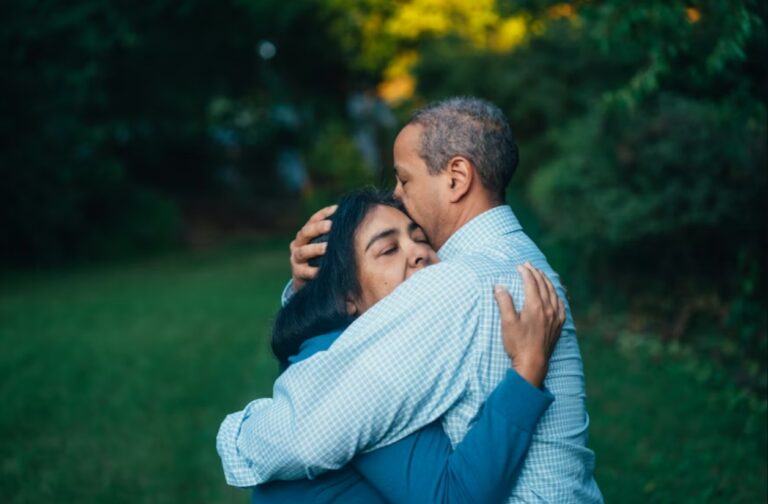
Across California, few places embody the spirit of recovery quite like Orange County. For decades, this coastal region has stood at the intersection of hope, healing, and community. What began as a modest cluster of treatment centers tucked between beach towns and suburban neighborhoods has grown into one of the most respected and influential recovery networks in the nation.

Today, Orange County represents more than just a destination for treatment—it’s a symbol of what recovery can look like when compassion, professionalism, and community converge. The area’s evolution has been fueled by both necessity and purpose. As addiction rates rose nationwide, Orange County responded by developing a continuum of care that blends clinical expertise with real-world support. From medically supervised detox programs to structured sober living homes, every level of recovery is represented and accessible.

But what truly sets Orange County apart is its culture. Sobriety here isn’t a quiet, isolated experience; it’s part of the lifestyle. The same coastal energy that attracts surfers, professionals, and families also fosters a sense of balance and renewal for those rebuilding their lives. Recovery meetings are as common as yoga classes, and support networks extend far beyond treatment walls.

This combination of professional excellence, peer connection, and restorative environment has earned Orange County its reputation as the recovery capital of the West Coast—a place where people don’t just get sober, they learn how to live again.


A Culture Built on Recovery

The foundation of Orange County’s recovery culture lies in its balance of structure, acceptance, and shared purpose. In neighborhoods from Huntington Beach to Laguna Niguel, the principles of recovery aren’t confined to treatment centers—they’re part of the community fabric. Here, sobriety is not treated as a secret to be managed but as a lifestyle to be embraced.

Across the county, it’s common to see recovery integrated into daily routines. Morning surf groups meet before work, followed by coffee shop check-ins where people discuss life and progress rather than relapse and struggle. Local businesses often employ individuals in recovery, recognizing the value of accountability and discipline that sobriety brings. Even gyms, yoga studios, and wellness spaces partner with treatment alumni to host recovery-friendly events that promote physical and emotional well-being.

What makes Orange County stand out is how visible and normalized this culture has become. Recovery doesn’t live in the shadows—it thrives in the open. You can attend 12-step meetings right on the beach, join peer-led hiking groups through local trails, or volunteer at community events organized by recovery networks. Weekend gatherings often mix fun with purpose: sober barbecues, open mic nights, and service-based projects that build both connection and self-worth.

This openness has helped replace the stigma of addiction with something far more powerful: belonging. Instead of viewing recovery as a limitation, people in Orange County see it as an opportunity to live with clarity, integrity, and community support. That shared acceptance makes the process less about avoiding relapse and more about actively building a meaningful life.


A Legacy of Healing and Hope

Orange County’s reputation as a hub for addiction recovery didn’t develop overnight—it was built over decades of dedication, innovation, and compassion. What began in the late twentieth century as a scattering of small, privately owned treatment centers has since evolved into one of the most comprehensive recovery networks in the country. Clinicians, therapists, and pioneers in the field of addiction medicine helped establish Southern California as a leader in modern treatment approaches, and Orange County quickly became its epicenter.

As the area’s programs grew, they attracted professionals from across the United States who were drawn to the combination of clinical excellence and a supportive local culture. The early presence of 12-step fellowships and peer-led recovery communities laid the groundwork for a region that would come to define what sustained sobriety looks like. From the streets of Costa Mesa to the coastline of Huntington Beach, recovery became not only a personal goal but a collective mission.

Generational recovery is now deeply rooted in the area’s identity. People who once arrived in Orange County seeking help often chose to stay after finding sobriety, becoming mentors, sponsors, and even treatment professionals themselves. Many opened recovery-focused businesses, nonprofit organizations, and sober living homes, reinforcing a community built on service and accountability.

This continuous cycle of giving back is what keeps Orange County’s recovery culture alive and thriving. It’s a place where newcomers are welcomed by those who have walked the same road, and where professional care blends seamlessly with peer support. Each person who finds healing contributes to the legacy of those who came before them—making Orange County not just a location for treatment, but a living example of how recovery, when nurtured by community, can span generations.


The Role of Environment in Sustained Sobriety

Orange County’s natural environment plays a powerful role in why so many people find long-term success here. Recovery thrives when the mind and body are supported, and few places offer that balance like this stretch of Southern California coastline. The region’s ocean air, year-round sunshine, and open spaces create a sense of calm that encourages mindfulness and self-reflection—two qualities essential to sustained sobriety.

For many, the environment becomes part of the healing process itself. Morning walks along Huntington Beach or afternoon hikes through the trails of Laguna Canyon provide more than exercise; they offer moments of perspective and gratitude. The physical beauty of the area helps reframe recovery from something clinical into something deeply personal. Individuals learn to replace chaos and isolation with connection to nature, routine, and community.

The coastal lifestyle also promotes active, health-centered living. With an abundance of outdoor recreation, wellness studios, and sober fitness programs, residents have countless opportunities to re-engage with life in ways that support mental and emotional well-being. Surf therapy, beach cleanups, yoga classes, and community sports leagues all serve as natural outlets for stress relief and social connection.

Perhaps most importantly, the environment itself aligns with recovery values—balance, presence, and renewal. In Orange County, recovery doesn’t feel separated from daily life; it feels integrated into it. The peaceful rhythm of the ocean mirrors the steady progress of sobriety, and the community’s openness ensures no one has to walk that path alone. This harmony between setting and purpose is part of what makes Orange County not only a destination for treatment but a place where recovery can truly take root and flourish.


Types of Addiction Treatment in Orange County

One of the defining strengths of Orange County’s recovery landscape is the breadth and quality of its treatment options. The region has built a continuum of care that meets individuals wherever they are in the recovery process—offering every level of support from medical stabilization to long-term sober living. This depth of resources allows people to move through recovery without losing connection to the community, ensuring continuity and stability during each stage of growth.

1. Medical Detoxification
Recovery often begins with detox, the first and most physically demanding step. Orange County is home to several accredited medical detox centers staffed by experienced clinicians who specialize in managing withdrawal symptoms safely and compassionately. These programs provide 24-hour supervision, medical monitoring, and emotional support to help individuals stabilize physically while preparing for ongoing treatment. The emphasis is not just on physical comfort but also on creating a sense of safety and trust—two essentials for beginning the deeper work of recovery.

2. Residential or Inpatient Treatment
Once detox is complete, many individuals transition into residential or inpatient programs where the focus turns to behavioral, psychological, and emotional healing. Orange County’s residential facilities are known for combining evidence-based therapies—such as Cognitive Behavioral Therapy (CBT), Dialectical Behavior Therapy (DBT), and trauma-informed counseling—with holistic practices that promote overall wellness. These environments are structured yet compassionate, providing the time and space to address root causes of addiction in a supportive, distraction-free setting.

3. Partial Hospitalization (PHP) and Intensive Outpatient (IOP) Programs
As clients gain stability, PHP and IOP programs offer a balanced next step. These programs allow individuals to continue intensive therapy and clinical support while gradually re-engaging with real-world responsibilities. Sessions may include group therapy, individual counseling, relapse prevention planning, and skill-building workshops. Many clients pair these programs with sober living arrangements, which reinforce accountability and consistency outside of treatment hours.

4. Outpatient and Continuing Care
Outpatient programs provide flexibility for those who are rebuilding careers, attending school, or caring for families. These services include ongoing therapy, relapse prevention, and support groups designed to help maintain progress over the long term. Many outpatient clients remain active in local recovery meetings and alumni programs, using the strength of community connection to sustain personal growth.

5. Sober Living Homes
Sober living represents the bridge between treatment and independence—a critical phase in long-term recovery. Orange County offers a wide range of structured sober living homes that focus on accountability, daily structure, and life-skills development. Residents learn to manage responsibilities, rebuild relationships, and re-integrate into the community while maintaining the safety of a substance-free environment.

This seamless continuum of care is what makes Orange County so effective at helping people achieve sustainable recovery. It’s not just about providing services; it’s about ensuring that no one falls through the cracks. Whether a person is beginning detox, stepping down from residential care, or transitioning to sober living, there is always another layer of support waiting for them. That interconnectedness between programs and providers is one of the region’s greatest strengths—and a key reason Orange County remains the gold standard for addiction recovery in California.


Sober Living Homes: The Heart of Recovery Continuity

While treatment provides the structure and foundation for sobriety, the real work of recovery begins when individuals re-enter daily life. That transition can be difficult—old environments, relationships, and routines often carry triggers that challenge even the strongest commitment to change. This is where sober living homes become essential. They serve as the bridge between clinical treatment and independent living, helping people turn the principles learned in therapy into habits that sustain real-world recovery.

Orange County has cultivated one of the most robust sober living networks in the country. Homes range from small, family-style residences to professionally managed programs that emphasize structure, accountability, and peer support. Many are gender-specific or cater to particular stages of recovery, allowing residents to connect with others who share similar experiences and goals. Regardless of the model, the mission is the same: to provide a safe, stable environment that promotes accountability and personal growth.

Daily life in a sober living home mirrors the responsibilities of everyday living but with the added benefit of community and support. Residents follow house guidelines, maintain employment or attend school, and participate in recovery meetings or counseling sessions. This consistency reinforces discipline while encouraging autonomy. Shared responsibilities like cooking, cleaning, and group check-ins foster a sense of teamwork and belonging—key ingredients for long-term success.

Providers such as Solace Sober Living in Huntington Beach represent the best of what Orange County’s sober living community stands for. By offering a structured, supportive environment focused on accountability, peer connection, and individualized recovery planning, programs like Solace help residents solidify their progress and prepare for full independence. These homes embody the idea that recovery isn’t about isolation or restriction; it’s about learning to live freely, responsibly, and with purpose.

Sober living homes are not just a transitional step—they’re a vital part of the recovery continuum. They take the lessons of treatment and apply them to daily life, giving residents the time and structure needed to grow into lasting sobriety. In Orange County, that continuity of care ensures that recovery doesn’t end when treatment does; it evolves into a lifestyle rooted in stability, connection, and hope.


Collaboration Across the Recovery Ecosystem

What truly distinguishes Orange County from other recovery destinations is how seamlessly its network of providers work together. The local treatment community functions less like a collection of individual programs and more like a unified system with one shared goal: long-term recovery success. Each part of that system—clinicians, recovery coaches, sober living operators, therapists, and peer mentors—plays a unique role, but all remain interconnected through communication, referrals, and shared commitment to the client’s well-being.

This collaborative approach ensures that individuals never have to navigate recovery alone or wonder what comes next. A person may begin their journey in a medical detox center in Costa Mesa, transition to residential treatment in Newport Beach, attend intensive outpatient therapy in Fountain Valley, and finally move into a sober living home in Huntington Beach—all within a coordinated continuum of care. Throughout these transitions, professionals often remain in close contact, adjusting treatment plans, providing check-ins, and maintaining continuity that reduces the risk of relapse.

Collaboration also extends beyond formal care settings. Orange County’s recovery ecosystem includes a vast web of peer-run organizations, alumni groups, and community partnerships that provide an added layer of accountability and connection. Local nonprofits host recovery-oriented events, treatment alumni volunteer in outreach programs, and sober living residents participate in mentorship networks that strengthen both personal and collective recovery. The sense of unity between professional providers and the community itself creates a safety net that reaches far beyond treatment walls.

This model—built on cooperation instead of competition—has become one of Orange County’s greatest strengths. It allows individuals to move fluidly between different phases of care without losing support, while also fostering trust among providers. The result is an environment where people are guided, not passed along; supported, not forgotten. That level of continuity transforms recovery from a temporary intervention into a sustainable, lifelong process.


Why Orange County Continues to Lead

Orange County remains the recovery capital of California because it offers something few places can replicate: a complete ecosystem built on collaboration, community, and compassion. What began as a small concentration of treatment centers has matured into a region where every layer of support, including clinical, residential, and peer-based care, operates in harmony. The result is a model that does not just treat addiction but cultivates long-term recovery as a way of life.

The strength of this community lies in its unity of purpose. Clinicians, mentors, therapists, and sober living operators work side by side with one mission in mind—to help individuals rebuild structure, purpose, and meaning beyond addiction. Each organization, whether large or small, plays a role in reinforcing accountability, education, and emotional growth. It’s this alignment of effort that gives Orange County its staying power; recovery here isn’t fragmented or competitive, it’s cooperative.

That spirit of unity extends beyond treatment facilities and sober homes. It’s visible in local businesses that hire individuals in recovery, in the fitness and wellness communities that host sober events, and in the countless meetings and outreach programs that welcome newcomers with open arms. Recovery isn’t hidden here—it’s a visible, celebrated part of the social fabric. The stigma that once surrounded addiction has been replaced by understanding, empathy, and genuine opportunity.

What truly sets Orange County apart is its ability to balance professional excellence with human connection. The county’s treatment providers are among the most respected in the nation, yet their work is complemented by grassroots support networks that keep recovery grounded in real-world compassion. Together, they’ve built a system where healing doesn’t end when treatment does—it continues through mentorship, friendship, and community engagement.

Here, sobriety is not about restriction; it’s about rediscovery. The people, the programs, and the environment all work together to show that recovery is not just possible but sustainable. In Orange County, hope isn’t an abstract idea—it’s a lived experience that continues to inspire thousands each year to start again, rebuild, and thrive.


Final Thoughts

Recovery is not about perfection; it is about progress, perseverance, and the people who walk beside you through it. In Orange County, those people are everywhere—counselors, mentors, sober companions, clinicians, and peers—each contributing to a community built on accountability, integrity, and renewal. Whether offering guidance in a therapy session, leading a support group, or simply showing up for a friend, the shared commitment to recovery is unmistakable.

For anyone seeking to rebuild their life after addiction, Orange County stands as more than a destination. It represents a living example of how compassion, structure, and shared purpose can transform recovery from a temporary phase into a lifelong way of living. The county’s strength lies not only in its advanced treatment programs but also in its interconnected web of support—one that extends from detox to sober living and beyond. Together, these elements form a safety net strong enough to catch anyone willing to reach for help.

What makes this coastal community exceptional is its openness. Here, sobriety is not something to hide or whisper about; it is something to celebrate. Recovery is visible in the morning beach meetings, the local volunteer projects, and the thriving sober living community that keeps hope alive day after day.

Orange County continues to set the standard for what recovery can look like when people, purpose, and place come together. For countless individuals, it has become the starting point for a new life—one defined not by addiction, but by growth, connection, and the quiet confidence that lasting change is possible.

How to Rebuild Trust After Betrayal in Marriage Therapy

How to Rebuild Trust After Betrayal in Marriage Therapy: A Complete Guide to Healing and Recovery

The moment you discover your partner has betrayed you feels like the ground beneath your feet has crumbled away. Everything you believed about your relationship—your shared history, your future plans, the person you thought you knew—suddenly comes into question. The pain is visceral, immediate, and overwhelming. You might feel angry one moment, heartbroken the next, and completely numb after that. Some days you’re certain you want to fight for your marriage; other days you wonder if the damage is simply too severe to repair.

If you’re reading this, you’re likely in the midst of that turmoil right now, searching for answers to an impossibly difficult question: can we actually recover from this?

The answer, supported by decades of clinical research and countless success stories, is yes—but not without intentional, sustained effort from both partners and professional guidance. Rebuilding trust after betrayal isn’t about returning to the relationship you had before. That relationship, frankly, had vulnerabilities that allowed the betrayal to occur. Instead, the goal is to create something entirely new: a relationship built on genuine transparency, deeper understanding, and authentic connection.

As someone who has worked with hundreds of couples navigating the aftermath of infidelity, emotional affairs, financial deception, and addiction-related betrayals, I’ve witnessed both the devastating lows and the remarkable transformations that can occur when couples commit to the difficult work of recovery. This guide draws from evidence-based therapeutic approaches, real-world clinical experience, and the most current research on betrayal trauma and relationship repair.

Understanding What Actually Happens When Trust Shatters

Before we discuss how to rebuild, we need to understand what breaks. When betrayal occurs—whether through infidelity, lying, financial deceit, or hidden addiction—the impact extends far beyond the specific act itself. The betrayed partner often experiences what clinicians now recognize as betrayal trauma or partner relational trauma disorder (PRTD).

This isn’t just sadness or disappointment. The symptoms mirror those of post-traumatic stress disorder: intrusive thoughts about the betrayal, flashbacks triggered by seemingly innocuous details, hypervigilance about the partner’s whereabouts and communications, difficulty sleeping, and an overwhelming sense of anxiety. Your nervous system has gone into survival mode because the person who was supposed to be your safe haven has become a source of danger.

Meanwhile, the partner who committed the betrayal often feels trapped between guilt, defensiveness, and frustration. They may genuinely regret their actions and want to repair the damage, but they don’t always understand the depth of the trauma they’ve caused or the extended timeline required for healing. Some become impatient with their partner’s “inability to move on,” not recognizing that trauma doesn’t operate on a convenient schedule.

This fundamental disconnect—between the betrayed partner’s need to process trauma and the unfaithful partner’s desire to move forward quickly—creates one of the most significant barriers to recovery. Professional marriage therapy provides the structured framework necessary to bridge this gap.

The Foundation: Full Accountability Without Defensiveness

Rebuilding trust after infidelity in marriage counseling begins with something that sounds simple but proves extraordinarily difficult in practice: the partner who betrayed must take complete, unequivocal accountability for their actions without minimizing, justifying, or deflecting blame.

This means no statements like “I wouldn’t have cheated if you had paid more attention to me” or “It didn’t mean anything—why can’t you just let it go?” These responses, while perhaps coming from a place of discomfort or shame, are devastating to the betrayed partner because they suggest the unfaithful partner still doesn’t grasp the magnitude of what they’ve done.

Full accountability looks like this: “I made a choice to betray you. That choice has caused you tremendous pain, and I take complete responsibility for that. Whatever problems existed in our relationship, I could have addressed them openly with you. Instead, I chose deception, and that was entirely my failure.”

The unfaithful partner must also demonstrate a willingness to answer questions—sometimes the same questions repeatedly—without getting defensive or irritated. This is part of the infidelity recovery couples therapy program approach that many specialized centers use to address betrayal systematically.

The disclosure dilemma represents one of the most challenging early decisions: should the betrayed partner ask for all the details of the affair? Research suggests that while some details are necessary for processing the trauma, excessive graphic information can actually impede healing by creating additional intrusive images. A skilled therapist helps couples navigate this carefully, ensuring the betrayed partner gets enough information to understand what happened without becoming retraumatized by unnecessary details.

Therapeutic Approaches That Actually Work for Betrayal Recovery

Not all couples therapy is equally effective for addressing betrayal trauma. Two evidence-based approaches have demonstrated particularly strong outcomes: the Gottman Method for rebuilding trust after infidelity and Emotionally Focused Therapy (EFT) for betrayal.

The Gottman Method and the Trust Restoration Phase

The Gottman Institute has conducted extensive research on what makes relationships succeed or fail, including extensive study of affair recovery. Their approach includes a structured “Atone, Attune, Attach” framework that guides couples through specific stages of healing.

The Atone phase requires the unfaithful partner to demonstrate genuine remorse, answer all questions honestly, and commit to complete transparency. The Attune phase focuses on rebuilding emotional connection by learning to recognize and respond to each other’s needs. Finally, the Attach phase works on creating new patterns of intimacy and commitment that prevent future betrayals.

Gottman-trained therapists often implement structured check-ins where couples practice non-defensive communication after cheating. These aren’t interrogations—they’re scheduled conversations where both partners can express concerns, ask questions, and rebuild connection in a controlled, therapeutic environment.

Emotionally Focused Therapy for Attachment Injuries

EFT, developed by Dr. Sue Johnson and endorsed by the International Centre for Excellence in Emotionally Focused Therapy, views betrayal as a profound attachment injury—a violation of the bond that humans are wired to form with their intimate partners.

This approach focuses on helping the betrayed partner articulate their pain and fear, while simultaneously helping the unfaithful partner understand and respond to that vulnerability with empathy rather than defensiveness. EFT therapists guide couples through structured conversations that allow the injured partner to express the depth of their hurt and have it genuinely acknowledged and validated.

The power of techniques for mirroring and validating partner’s pain cannot be overstated. When the unfaithful partner can truly hear their spouse say “I feel destroyed because you were the one person I thought would never hurt me this way” and respond with genuine empathy instead of justification, profound healing becomes possible.

Transparency: What It Actually Means and Why It Matters

One of the most frequent questions in marriage therapy for affair recovery and forgiveness is: what does transparency actually involve, and does it mean open access to phones and email?

The short answer is yes—at least initially. Transparency means the unfaithful partner voluntarily offers complete access to all communications: phone, email, social media, location sharing, and any other avenue where secret communication could occur. This isn’t about creating a permanent surveillance state in your marriage; it’s about demonstrating through consistent trustworthy behavior in marriage recovery that there are no longer any secrets.

Many unfaithful partners initially resist this, viewing it as invasive or treating them like a child. This resistance, however well-intentioned, is precisely the wrong response. The betrayed partner’s nervous system is in crisis mode, constantly scanning for danger. Transparency isn’t punishment—it’s the medicine that gradually convinces that traumatized nervous system that it’s safe to stand down.

A marriage counseling transparency agreement, drafted in therapy, typically includes:

  • Complete access to all devices and accounts
  • Location sharing enabled
  • Advance notification of any contact with the affair partner (if unavoidable due to work)
  • Detailed accounts of whereabouts during absences
  • No deleted messages or “private” conversations
  • Full financial transparency

This level of openness usually needs to remain in place for an extended period—often one to two years. As trust gradually rebuilds and the betrayed partner’s nervous system calms, these restrictions can be slowly reduced. The timeline varies dramatically based on the severity of the betrayal, the quality of the accountability, and the consistency of trustworthy behavior demonstrated.

Addressing the Root Causes: Why Did This Happen?

While accountability must never shift blame away from the person who chose betrayal, effective therapy for moving past the trauma of infidelity also requires honest examination of how to address the root cause of infidelity in therapy.

Common contributing factors include:

  • Unmet emotional needs that were never clearly communicated
  • Conflict avoidance patterns where problems were swept under the rug rather than addressed
  • Lack of intentional connection as partners became more like roommates than intimate companions
  • Individual issues such as addiction, unresolved trauma, or attachment problems
  • Opportunity and poor boundaries with others outside the relationship

Understanding these factors doesn’t excuse the betrayal—choices always remain choices—but it does provide the roadmap for building a stronger foundation going forward. If loneliness and disconnection contributed to vulnerability, therapy can help establish regular rituals of connection. If addiction played a role, resources like can a marriage survive rehab address the intersection of recovery and relationship repair.

The Emotional Roller Coaster: Managing Anger, Grief, and Triggers

One of the most challenging aspects of counseling for betrayal trauma in a relationship is helping both partners understand that healing isn’t linear. The betrayed partner doesn’t simply get over it and move on. Instead, they experience waves of different emotions—sometimes feeling hopeful and connected, other times being flooded with anger, grief, or anxiety.

Therapy for emotional affair recovery or physical infidelity must provide tools for managing these intense emotional fluctuations. The betrayed partner learns that having a bad day—where the anger returns or the rumination intensifies—doesn’t mean they’re not making progress. It means they’re processing a significant trauma, and that takes time.

Common triggers include:

  • Dates or locations associated with the affair
  • Seeing the affair partner’s name or photo
  • Similar circumstances to when previous lies were told
  • Intimacy attempts that bring back painful memories
  • Seemingly innocuous songs, movies, or conversations

The unfaithful partner’s role during these triggered moments is critical. How to handle anger and resentment after betrayal requires learning to stay present and empathetic, even when facing the same anger for what feels like the hundredth time. Responses like “I thought we were past this” or “How long are you going to punish me?” are deeply damaging and set recovery back considerably.

Instead, therapeutic approaches teach responses like: “I see that you’re hurting right now. This is my fault, and I’m here with you. What do you need from me?” This isn’t about accepting verbal abuse—boundaries around communication remain important—but it is about recognizing that the betrayed partner’s pain is legitimate and ongoing.

Individual Healing Within the Couples Work

While marriage therapy provides the framework for relationship repair, individual counseling for the betrayed spouse after cheating often proves essential for complete recovery. The trauma of betrayal affects self-esteem, sense of identity, and ability to trust—not just in this relationship, but potentially in all relationships.

Individual therapy provides space to process emotions that might be too raw or intense for couples sessions, work on rebuilding self-trust after partner’s betrayal, and develop coping strategies for managing triggers and intrusive thoughts. Many therapists recommend that the betrayed partner work with a trauma-informed individual therapist alongside the couples therapy.

Similarly, the unfaithful partner benefits from individual work to understand what drove their choices, develop better coping mechanisms for difficult emotions, and learn how to express genuine remorse to rebuild trust without making it about their own guilt or discomfort.

The American Association for Marriage and Family Therapy provides resources for finding qualified therapists who can address both individual and couples needs.

Setting New Boundaries and Creating a New Relationship

As couples move from crisis stabilization into active rebuilding, the focus shifts to how to set new boundaries after a spouse cheats and creating a genuinely new relationship rather than trying to resurrect the old one.

New boundaries might include:

  • No private friendships with people who could become romantic interests
  • No going out drinking alone or with groups that include potential affair partners
  • No keeping secrets of any kind, even “innocent” ones
  • Regular relationship check-ins scheduled into the calendar
  • Agreements about what information gets shared immediately versus saved for therapy

These aren’t about control—they’re about creating a framework of safety that allows trust to gradually rebuild. Over time, as consistent trustworthy behavior becomes the new normal, some of these boundaries can be relaxed. But in the early stages of recovery, clear, firm boundaries provide the structure necessary for healing.

Therapy for restoring emotional safety in marriage also involves creating new rituals of connection: daily check-ins, weekly date nights, regular vulnerability conversations, and intentional appreciation of each other. These positive experiences don’t erase the betrayal, but they gradually create new neural pathways—new associations between being with your partner and feeling safe, loved, and valued.

The Timeline Question: How Long Does Recovery Actually Take?

Perhaps the most frequently asked question is: how long does it take to rebuild trust in marriage therapy?

Research and clinical experience suggest that meaningful recovery typically requires two to five years of consistent effort, with most couples seeing significant improvement around the 18-month to two-year mark. This timeline feels crushing to many couples, particularly the unfaithful partner who wants to move past their guilt and shame.

But trust isn’t rebuilt through grand gestures or passionate declarations—it’s rebuilt through consistency over time. Every time the unfaithful partner does what they said they would do, answers a question honestly, comes home when they said they would, and chooses transparency even when it’s uncomfortable, they make a small deposit into the trust account. After thousands of these deposits, the balance gradually shifts from deficit to surplus.

The timeline extends when certain problems occur:

  • Trickle truth: When additional details of the betrayal emerge over time, resetting the clock each time
  • Continued contact with the affair partner
  • Defensiveness from the unfaithful partner
  • Lack of genuine remorse or attempts to rush forgiveness
  • Additional betrayals of any kind

Conversely, recovery can progress more quickly when both partners engage fully in therapy, demonstrate consistency, practice radical honesty, and do their individual healing work alongside the couples work.

When Forgiveness Feels Impossible: What Then?

Not every couple recovers from betrayal, and not every couple should. Marriage therapy when betrayed partner can’t forgive addresses a painful but important reality: sometimes the wound is too deep, or the foundation was too weak to begin with, or the unfaithful partner simply cannot demonstrate the necessary accountability and change.

The forgiveness process after infidelity in couples therapy doesn’t mean forgetting what happened or declaring it doesn’t matter. True forgiveness means releasing the ongoing resentment and the desire to punish, choosing instead to accept what happened and decide how to move forward—whether together or apart.

Some betrayed partners reach a point where they’ve done the work, processed the trauma, and simply realize they cannot rebuild romantic trust with this particular person. That’s not failure—that’s self-awareness and healthy boundary-setting. Therapy can help couples navigate this decision thoughtfully, particularly when children are involved or when starting over after losing all trust in partner feels overwhelming.

The question of when to end marriage therapy after infidelity arises when:

  • The unfaithful partner refuses accountability or continues lying
  • The betrayed partner realizes they’re staying out of fear rather than love
  • Either partner has fundamentally different visions for the future
  • Additional betrayals occur during the recovery process
  • Both partners have genuinely tried but cannot move past the trauma

A skilled therapist will help couples discern between the normal difficulties of recovery and genuine incompatibility or unresolvable damage.

Rebuilding Physical and Emotional Intimacy

Among the most delicate aspects of recovery is marriage therapy to address sexual intimacy after infidelity. For many betrayed partners, physical intimacy becomes deeply complicated—they may crave connection with their partner but also feel triggered by the knowledge that their partner was physical with someone else.

Some experience what therapists call “hysterical bonding”—an intense desire for physical connection immediately after discovering the affair, driven by a primal need to reclaim their partner and relationship. Others feel complete aversion to any physical touch, experiencing it as another violation.

Rebuilding intimacy and connection after betrayal requires patience, communication, and the willingness to go slowly. Therapists often recommend:

  • Starting with non-sexual touch and gradually rebuilding physical comfort
  • Having explicit conversations about what feels safe and what doesn’t
  • The betrayed partner being in control of the pace and progression
  • The unfaithful partner demonstrating patience without pressure
  • Addressing any performance anxiety or shame on both sides

Physical intimacy often returns in stages as emotional intimacy rebuilds. Rushing this process or treating sex as proof that “everything is okay now” can severely damage recovery. Conversely, avoiding any discussion of physical intimacy can leave both partners feeling lonely and disconnected.

Special Considerations: Financial Betrayal, Addiction, and Other Forms of Broken Trust

While infidelity receives the most attention, other forms of betrayal can be equally devastating. Help rebuilding trust after financial betrayal addresses situations where one partner has hidden debt, made major financial decisions unilaterally, or engaged in financial abuse or deception.

Marriage counseling for addiction and broken trust tackles the complex intersection of substance abuse or behavioral addictions and relationship damage. Addiction inherently involves deception—about use, about money spent, about time consumed—and this web of lies creates profound trust violations even without sexual infidelity.

Resources like the SAMHSA National Helpline (800-662-4357) can connect families to addiction treatment and counseling services. When addiction is present, recovery from both the addiction and the relationship betrayal must occur simultaneously, often requiring specialized treatment approaches.

The same core principles apply across betrayal types: accountability, transparency, consistent behavior, addressing root causes, and rebuilding trust through sustained effort over time.

The Practical Steps: What Actually Happens in Therapy Sessions

Understanding what to expect in couples therapy helps reduce anxiety about beginning the process. Sessions with a trauma-informed therapist typically include:

Initial Assessment Phase (1-3 sessions):

  • Understanding the full scope of the betrayal
  • Assessing safety and stability
  • Determining if both partners want to work on the relationship
  • Identifying immediate crisis issues

Crisis Stabilization (ongoing, weeks to months):

  • Establishing ground rules for communication
  • Implementing transparency measures
  • Teaching emotional regulation skills
  • Addressing acute trauma symptoms

Deeper Work (months to years):

  • Exploring underlying relationship patterns
  • Developing new communication skills
  • Processing the affair/betrayal in detail
  • Rebuilding emotional and physical intimacy
  • Addressing root causes and individual issues

Maintenance and Prevention (as needed):

  • Creating relapse prevention plans
  • Establishing ongoing rituals of connection
  • Addressing new conflicts with healthier patterns
  • Gradually reducing therapy frequency

Some therapists incorporate specific accountability exercises for couples in therapy, such as structured disclosure sessions where the unfaithful partner answers prepared questions in a therapeutic setting, or structured check-ins where both partners practice asking for and meeting each other’s needs.

Finding the Right Professional Help

Not all therapists are equally equipped to handle betrayal trauma. Look for professionals who:

  • Are specifically trained in couples therapy (MFT, LMFT credentials)
  • Have experience with infidelity and betrayal recovery
  • Are trained in evidence-based approaches like Gottman Method or EFT
  • Understand trauma-informed care
  • Won’t rush the process or pressure premature forgiveness

The Gottman Institute and ICEEFT both offer therapist directories, as does the American Association for Marriage and Family Therapy.

For specialized support, programs like those at Couples Rehab offer intensive therapy options for couples dealing with complex issues including addiction, infidelity, and severe trust violations.

Military families can access confidential counseling through Military OneSource, and veterans through VA Mental Health Services.

When One Partner Isn’t Ready: Can Therapy Still Help?

Sometimes only one partner is ready for the hard work of recovery. Couples therapy for boyfriend and girlfriend or married couples can still provide value even when commitment levels differ, though the focus may shift to helping both partners gain clarity about what they truly want.

Individual therapy becomes particularly important when one partner remains ambivalent, allowing each person to process their feelings, understand their options, and make thoughtful decisions about the future without the pressure of their partner’s presence.

Creating Your Personal Recovery Plan

If you’re ready to begin the journey of rebuilding trust, consider these immediate action steps:

  1. Acknowledge the crisis: Stop minimizing or rushing past the pain
  2. Seek professional help: Research qualified therapists and contact potential providers
  3. Implement immediate transparency: Full access to all communications, no exceptions
  4. Join support groups: Infidelity Survivors Anonymous offers community support
  5. Prioritize self-care: The stress of betrayal trauma affects physical and mental health
  6. Set realistic expectations: Recovery takes years, not months
  7. Commit to consistency: Small, daily actions build trust more than grand gestures

Remember that seeking help isn’t a sign of weakness—it’s a sign of strength and commitment to building something better than what existed before.

Frequently Asked Questions About Rebuilding Trust After Betrayal

Can a marriage truly recover after infidelity or betrayal?

Yes, marriages can not only survive but sometimes emerge stronger after betrayal, though this requires genuine effort from both partners. Research shows that approximately 60-75% of couples who engage in quality therapy and do the necessary work report significant relationship improvement, with many describing their post-recovery relationship as more authentic and connected than what existed before. However, recovery isn’t guaranteed and requires the unfaithful partner to demonstrate sustained accountability and changed behavior while the betrayed partner commits to the difficult work of processing trauma and gradually releasing resentment. The relationship that emerges won’t be the same as before—it will be fundamentally different, built on transparency rather than complacency.

How long does it take to rebuild trust after a spouse cheats?

Most experts and research suggest that meaningful trust restoration typically takes between two to five years of consistent effort, with significant improvement usually visible around the 18-month mark. This timeline shocks many couples, particularly the unfaithful partner who wants to move past their guilt quickly. However, trust is rebuilt through thousands of small, consistent actions over time, not through apologies or promises. The timeline can extend considerably if there are additional discoveries, continued deception, or lack of genuine accountability. Conversely, couples who engage fully in therapy, maintain complete transparency, and both do individual healing work may progress somewhat faster. The key is understanding that healing from betrayal trauma doesn’t follow a linear path—there will be setbacks and difficult days even as overall progress continues.

Should the betrayed partner ask for all the details of the affair?

This remains one of the most debated questions in infidelity recovery. Research suggests a middle path: the betrayed partner needs enough information to understand what happened and make sense of the betrayal, but excessive graphic details can create additional trauma by generating intrusive images that impede healing. A skilled therapist helps navigate this carefully, often recommending a structured disclosure process where the unfaithful partner provides a written timeline of the affair and answers specific questions in a therapeutic setting. Key information typically includes: when the affair started and ended, whether it was emotional or physical, how frequently they met, whether protection was used, whether the affair partner knows about the spouse, and whether it’s completely ended. However, play-by-play sexual details rarely help healing and often cause additional harm.

Why am I so consumed by anger and resentment, and how do I cope with it?

The intense anger, resentment, and obsessive thinking you’re experiencing are normal symptoms of betrayal trauma, which neurologically resembles post-traumatic stress disorder. Your nervous system has been thrown into crisis mode because the person who was supposed to be your safe haven has become a source of danger. The rumination and hypervigilance aren’t character flaws—they’re your brain’s attempt to prevent future harm by constantly scanning for danger. Coping strategies include: working with a trauma-informed therapist who can provide EMDR or other trauma processing techniques, practicing self-compassion rather than judging yourself for not “getting over it” faster, using grounding techniques when triggered, journaling to externalize the obsessive thoughts, engaging in physical exercise to discharge the stress response, and joining support groups like Infidelity Survivors Anonymous where others understand exactly what you’re experiencing. The anger typically diminishes over time as the unfaithful partner demonstrates sustained trustworthy behavior and you process the trauma, but this takes considerable time.

Is my partner likely to cheat again, and how can I know for sure?

Unfortunately, there’s no guarantee against future betrayal, which is precisely why this question causes such anxiety. However, certain factors significantly reduce recurrence risk: the unfaithful partner taking complete accountability without blame-shifting, demonstrating genuine remorse rather than just guilt about consequences, voluntarily offering transparency without being asked, doing individual therapy to understand what drove their choices, addressing any underlying issues like addiction or unresolved trauma, establishing clear boundaries with others, and maintaining consistent trustworthy behavior over an extended period. Warning signs that suggest higher risk include: minimizing the betrayal, continuing contact with the affair partner, refusing transparency, becoming defensive when questioned, not following through on commitments, or making the recovery process about their discomfort with your pain. Ultimately, you’re looking for fundamental character changes and sustained patterns, not just temporary good behavior.

How does marriage therapy help specifically with betrayal trauma?

Professional therapy provides several critical elements that couples cannot achieve alone. First, it creates a structured, safe environment where the betrayed partner can express their pain without the unfaithful partner becoming defensive, as the therapist manages the emotional intensity and keeps the conversation productive. Second, it educates both partners about betrayal trauma so they understand that the ongoing symptoms aren’t manipulation or vindictiveness but legitimate trauma responses. Third, it provides evidence-based frameworks like the Gottman Method or Emotionally Focused Therapy that guide couples through specific recovery stages rather than stumbling through by trial and error. Fourth, it helps identify and address the underlying relationship patterns or individual issues that created vulnerability to betrayal. Finally, it holds both partners accountable to the recovery process, preventing the common pattern where initial motivation fades and old patterns return.

What therapeutic approach (Gottman, EFT, etc.) is best for affair recovery?

Both the Gottman Method and Emotionally Focused Therapy have strong research support for affair recovery, though they approach the problem differently. The Gottman Method provides a structured, three-phase approach (Atone, Attune, Attach) with specific interventions at each stage, emphasizing practical skills like conflict management and friendship-building alongside processing the affair. It tends to appeal to couples who want clear frameworks and measurable progress. EFT focuses more deeply on the attachment injury aspect of betrayal, working to help partners express and respond to underlying vulnerable emotions beneath the anger and defensiveness. It emphasizes emotional connection and often moves couples to profound moments of understanding. Some therapists integrate both approaches. What matters most isn’t the specific modality but finding a therapist with specialized training in infidelity recovery who creates a safe environment and demonstrates competence in managing the intense emotions involved.

Should the betrayed partner also seek individual therapy?

Yes, individual therapy is strongly recommended for the betrayed partner in addition to couples therapy. Betrayal trauma affects your fundamental sense of self, your ability to trust your own judgment, and often triggers deeper issues related to previous relationships or childhood experiences. Individual therapy provides space to process emotions that might be too raw for couples sessions, work on self-esteem repair, develop coping strategies for managing triggers and intrusive thoughts, and make decisions about the relationship without pressure from your partner’s presence. Look for a trauma-informed therapist experienced in betrayal trauma or partner relational trauma disorder. Many betrayed partners also benefit from group therapy or support groups like Infidelity Survivors Anonymous, where connecting with others who truly understand the experience reduces the profound isolation that often accompanies betrayal trauma.

What are the biggest mistakes couples make when trying to reconcile?

The most damaging mistake is the unfaithful partner expecting the betrayed partner to “get over it” quickly, treating ongoing pain as punishment rather than recognizing it as trauma that requires time to heal. Related mistakes include: the unfaithful partner prioritizing their own guilt and shame over their partner’s pain, making the recovery about their discomfort; trying to reconcile without professional help, which rarely works for betrayal trauma; the unfaithful partner maintaining contact with the affair partner for any non-essential reason; engaging in “trickle truth” where additional details emerge over time, resetting the recovery clock with each new revelation; the betrayed partner trying to monitor and control rather than the unfaithful partner voluntarily offering transparency; avoiding difficult conversations in hopes that time alone will heal; rushing back to physical intimacy before emotional safety is restored; and either partner neglecting their individual healing work while focusing solely on the relationship.

How do we know if our relationship is too damaged for therapy to work?

Certain situations suggest the relationship may not be recoverable: the unfaithful partner refuses to end contact with the affair partner, shows no genuine remorse beyond worry about consequences, continues lying even after discovery, or is unwilling to engage in therapy or do the work. From the betrayed partner’s perspective, if you’ve done substantial therapy and individual healing work but realize you’re staying from fear rather than love, or if you’ve genuinely tried but cannot imagine ever feeling safe with your partner again, these are legitimate reasons to consider ending the relationship. Other signs of irreparable damage include: fundamental value differences that the affair revealed, the betrayed partner never fully disclosing their needs and the unfaithful partner never meeting them despite repeated chances, or if either partner has completely checked out emotionally. However, normal recovery difficulty—including anger, setbacks, and bad days—doesn’t indicate irreparable damage. A good therapist can help you discern the difference.

What does ‘full accountability’ look like for the unfaithful partner?

Full accountability means the unfaithful partner takes complete, unequivocal responsibility for their choices without minimizing, justifying, or blaming their partner for creating the conditions that led to the affair. It involves statements like “I made a choice to betray you, and whatever problems existed in our relationship, I could have addressed them honestly instead of choosing deception.” It means answering the betrayed partner’s questions—sometimes repeatedly—without defensiveness or irritation, recognizing that these questions stem from trauma rather than vindictiveness. It includes expressing genuine remorse that focuses on the harm caused to the partner rather than self-focused guilt. Full accountability also means taking initiative rather than waiting to be asked: voluntarily offering phone passwords, sharing calendars, providing detailed accounts of whereabouts, and doing the hard work of examining why the betrayal occurred and what needs to change internally. It means accepting that building trust takes years, not weeks, and maintaining consistency even when progress feels slow.

What does ‘transparency’ involve, and does it mean open access to phones and email?

Yes, transparency initially means complete open access to all forms of communication: phone, email, social media accounts, messaging apps, location sharing, and any other avenue where private communication could occur. This isn’t about creating a permanent surveillance state or treating the unfaithful partner like a child—it’s about providing the proof through consistent behavior that there are no more secrets. The betrayed partner’s nervous system is in crisis mode, constantly scanning for danger, and transparency is the medicine that gradually convinces that system it’s safe to stand down. Resistance to transparency, which some unfaithful partners express as protecting their privacy or dignity, actually sabotages recovery because it signals continued hiding. A transparency agreement drafted in therapy typically remains in place for 18 months to two years and includes: all device and account access, location sharing, advance notification of any unavoidable contact with affair partners, detailed accounting of whereabouts, no deleted messages, and full financial transparency. As trust gradually rebuilds through sustained trustworthy behavior, these measures can be reduced.

What consistent behaviors must the betrayer demonstrate to earn back trust?

Trust is rebuilt through patterns of consistency over time, not through grand gestures or passionate promises. Essential behaviors include: doing exactly what you say you will do, every single time, even for small things; offering transparency voluntarily rather than only when asked; being exactly where you said you’d be, when you said you’d be there; maintaining appropriate boundaries with all potential romantic interests; demonstrating patience and empathy when your partner has bad days or triggers, even months or years into recovery; continuing to answer questions without defensiveness; taking initiative in the recovery process rather than passively attending therapy; being honest even when the truth is uncomfortable; following through on therapy assignments and reading; maintaining individual therapy or support work; and avoiding any deception, even about seemingly minor matters, because any discovered lie—no matter how small—can devastate fragile rebuilding trust. The betrayed partner is watching whether your behavior matches your words consistently across hundreds of small moments.

How should the partner who cheated handle the betrayed partner’s questions without getting defensive?

This requires fundamentally shifting how you understand your partner’s questions and anger. These aren’t attacks or punishment—they’re symptoms of trauma. When your partner asks the same question for the fifth time or becomes angry about the affair months after you’ve apologized, their nervous system is processing a profound violation of safety. Your role is to stay present, empathetic, and non-defensive even when it’s difficult. Helpful responses include: “I hear that you’re hurting, and I caused that. I’m here with you. What do you need from me right now?” or “I know I’ve answered that before, and I’ll answer it again because I understand you’re trying to make sense of what happened.” Unhelpful responses include: “I thought we were past this,” “How long are you going to punish me?” or “I’ve already apologized—what more do you want?” Managing defensiveness requires recognizing that your discomfort with their pain is understandable but cannot take priority right now. Many unfaithful partners benefit from individual therapy to work through their own shame and guilt without making those feelings their partner’s responsibility.

How do we identify and address the underlying issues that led to the betrayal?

While identifying underlying issues doesn’t excuse the betrayal—which remains a choice—it’s essential for preventing future betrayals and building a stronger relationship. Common contributing factors include: unmet emotional needs that were never clearly communicated, creating loneliness and vulnerability; conflict avoidance patterns where problems were swept aside rather than addressed, allowing resentment to build; lack of intentional connection as partners became roommates rather than intimate companions; individual issues like unresolved trauma, attachment problems, or addiction that create vulnerability to poor decisions; and weak boundaries with others combined with opportunity. Effective therapy explores these patterns without letting them become excuses. The question isn’t “what made you cheat?” but rather “what vulnerabilities existed, and how do we address them going forward?” This might involve learning better communication skills, scheduling regular relationship check-ins, establishing clearer boundaries with outside friendships, addressing individual mental health or addiction issues, or creating more intentional rituals of connection and intimacy.

What is the difference between forgiveness and reconciliation?

Forgiveness and reconciliation are distinct concepts often confused in betrayal recovery. Forgiveness is an internal process where the betrayed partner gradually releases the ongoing resentment and the desire to punish the unfaithful partner, choosing instead to accept what happened and no longer allow it to consume their emotional energy. Forgiveness doesn’t mean declaring the betrayal didn’t matter, forgetting what happened, or saying it’s okay—it means choosing to stop carrying the weight of ongoing bitterness. Importantly, forgiveness can occur even if the relationship ends. Reconciliation, by contrast, is the rebuilding of the relationship itself—choosing to stay together and work toward restored trust and intimacy. Reconciliation requires forgiveness, but forgiveness doesn’t require reconciliation. You can forgive your partner for your own peace and healing while still deciding the relationship cannot continue. True forgiveness also can’t be rushed or demanded—it emerges organically over time as the trauma is processed and the unfaithful partner demonstrates sustained changed behavior.

How do I stop ruminating over the affair and move past the constant flashbacks?

The intrusive thoughts and flashbacks you’re experiencing are classic symptoms of betrayal trauma, neurologically similar to PTSD. Your brain is attempting to process a threat and prevent future harm, which manifests as constant reviewing of what happened, playing scenarios over in your mind, and hypervigilance about your partner’s behavior. These aren’t signs of weakness or vindictiveness—they’re automatic trauma responses. Effective strategies include: working with a trauma therapist trained in EMDR or other trauma processing techniques that help your brain properly process and file the traumatic memories; practicing grounding techniques when triggered, such as naming five things you can see, four you can touch, three you can hear; using the “thought stopping” technique where you firmly tell yourself “stop” when rumination begins and redirect to a specific task; journaling to externalize the obsessive thoughts rather than letting them loop internally; engaging in vigorous physical exercise to discharge the chronic stress response; and being patient with yourself, recognizing that these symptoms typically diminish over time as you process the trauma and as your partner demonstrates sustained trustworthy behavior.

What are healthy new boundaries we should establish in the relationship?

Post-betrayal boundaries serve to create safety and prevent future vulnerability while the relationship rebuilds. Healthy boundaries might include: no private friendships with people who could potentially become romantic interests; no social situations that involve one-on-one time with potential affair partners; no going out drinking alone, especially in contexts that include people attracted to your gender; complete transparency about all communications and whereabouts; agreed-upon boundaries regarding opposite-sex coworkers, including no private lunches or after-work drinks; no keeping secrets of any kind, even seemingly innocent ones; scheduled weekly relationship check-ins to address concerns before they build; and agreements about what information gets shared immediately versus saved for therapy sessions. Financial boundaries might include shared accounts and joint oversight of major purchases. These boundaries aren’t about control or punishment—they’re about creating a framework of safety that allows trust to gradually rebuild. Many couples find that as trust is restored, some boundaries can relax, while others become permanent features of their new relationship structure.

How do we rebuild intimacy and connection after a betrayal has damaged our sex life?

Sexual intimacy after betrayal presents complex challenges because physical connection is simultaneously something many couples crave and something that triggers pain for the betrayed partner. Some experience “hysterical bonding”—intense desire for physical connection immediately after discovery, driven by a primal need to reclaim the relationship. Others feel complete aversion to any touch, experiencing it as another violation or being unable to separate their partner’s body from images of them with the affair partner. Rebuilding healthy sexual intimacy requires: the betrayed partner maintaining complete control over the pace and progression; starting with non-sexual affection like hand-holding and gradually progressing as comfort builds; having explicit conversations about what feels safe and what doesn’t; the unfaithful partner demonstrating patience without any pressure or attempts to use sex as proof that things are “back to normal”; addressing any new insecurities on both sides; and potentially working with a sex therapist alongside the marriage therapist. Physical intimacy typically returns in stages as emotional safety is restored, and rushing this process can severely damage recovery.

When should we discuss a post-nup or other agreements to secure the betrayed partner’s future?

Discussion of post-nuptial agreements, increased financial protections, or other legal safeguards often arises during betrayal recovery, particularly when the betrayed partner needs reassurance that choosing to stay doesn’t mean accepting vulnerability to future financial or emotional devastation. The timing for these discussions varies, but many therapists suggest waiting until the acute crisis has stabilized—usually after a few months of consistent therapy—so the decisions are thoughtful rather than reactive. However, some immediate financial protections might be appropriate earlier, such as opening separate accounts, ensuring the betrayed partner has emergency funds, or getting STI testing results. A post-nup that includes infidelity clauses can provide the betrayed partner with a sense of security that makes the risk of staying feel more manageable. These conversations should ideally occur in therapy where a professional can help both partners understand the implications and ensure the unfaithful partner doesn’t interpret reasonable self-protection as punishment or lack of commitment to recovery.


Moving Forward: Hope and Realistic Expectations

Rebuilding trust after betrayal represents one of the most difficult challenges a couple can face, but it’s not impossible. Thousands of couples have walked this painful path before you and emerged with relationships characterized by deeper authenticity, more genuine connection, and hard-won resilience.

The journey requires both partners to show up consistently, do the difficult internal work, and commit to building something new rather than trying to resurrect what existed before. It requires the unfaithful partner to demonstrate sustained accountability, transparency, and changed behavior over years, not months. It requires the betrayed partner to engage in the difficult work of processing trauma, gradually releasing resentment, and risking vulnerability again despite every instinct screaming that it’s unsafe.

Not every couple completes this journey together, and that’s okay. Sometimes the wisest, healthiest choice is to acknowledge that the damage is too severe or that fundamental incompatibilities exist that make rebuilding impossible. There is no shame in choosing your own wellbeing over preserving a relationship that cannot be repaired.

But for those who choose to fight for their relationship, who commit to the therapy process, who do their individual work alongside the couples work, and who maintain consistency even when progress feels impossibly slow—healing is possible. Not just survival, but the creation of a relationship with more depth, honesty, and authentic connection than what existed before.

If you’re ready to begin this journey, reach out for professional help. Contact a qualified therapist, consider specialized programs that understand the complexity of betrayal trauma, and remember that asking for help is a sign of strength, not weakness.

Your relationship’s future is being written right now, in the choices you make today and the consistency with which you make them tomorrow and the next day and the next. Make them count.

Is Couples Therapy Covered by Insurance

Couples therapy can be life-changing for partners trying to rebuild trust, improve communication, or heal from the impact of addiction, trauma, or mental health issues.

For many, the first question before entering treatment isn’t about the process itself; it is about affordability. Is couples therapy covered by insurance?

For couples treatment centers, this is a common and important question. In this article, Couples Rehab helps you understand how insurance applies to relationship-based care, as well as helps clients make informed choices.

We’ll review how centers communicate what’s covered, what’s not, and why.

How Insurance Coverage Works for Couples Therapy

Insurance coverage for therapy, including couples counseling, is determined by medical necessity, diagnosis codes, and the provider’s credentials. In most insurance systems, mental and behavioral health benefits are designed to treat a diagnosable condition. When couples therapy is used to support that treatment, it may qualify for coverage.

At the treatment-center level, couples therapy is often integrated into broader care programs such as family therapy, dual diagnosis treatment, or relationship counseling for recovery support.

Because these programs are part of a licensed level of care, they may fall under the umbrella of covered behavioral health services if they address a clinical condition such as substance use disorder, anxiety, depression, or trauma.

When Couples Therapy Is Covered by Insurance at Treatment Centers

Couples therapy provided within an accredited or licensed behavioral health facility, when using health benefits for treatment support, is more likely to qualify for coverage than sessions delivered by independent practitioners. The determining factor is how the therapy fits into the clinical treatment plan.

If one partner is actively enrolled in a program for a covered diagnosis, such as a substance use disorder or co-occurring mental health condition, the couple’s sessions can often be billed under that individual’s plan as part of family or supportive psychotherapy.

For example:

  • A residential or outpatient addiction treatment center may include couples counseling as part of a patient’s recovery program to address relationship strain caused by substance use.

  • A mental health center, including a couples treatment program in Georgia, may offer family or couples therapy to support relapse prevention, emotional regulation, and boundary setting during treatment.

In both cases, insurance views couples sessions as clinically relevant to the primary diagnosis and may reimburse them under standard procedural codes.

When Couples Therapy is Not Typically Covered

When couples therapy focuses on relationship enhancement rather than medical treatment, it usually falls outside insurance coverage. Sessions centered solely on communication skills, intimacy, or marital satisfaction, without a clinical diagnosis, are considered non-medical and are self-pay.

For example, a couples retreat or relationship-focused workshop offered by a treatment center may not meet the criteria for insurance reimbursement. However, these services often complement medically necessary care, and many facilities offer private pay options or package rates to make them more accessible.

The Role of Accreditation and Licensing in Coverage

Couples treatment centers that maintain proper licensing and accreditation have a stronger foundation for insurance reimbursement. Insurance companies typically require:

  • Facility accreditation through The Joint Commission (JCAHO), CARF, or another recognized body

  • Licensed clinicians such as LMFTs, LCSWs, LPCs, psychologists, or psychiatrists

  • Documented treatment plans showing how couples therapy supports medical necessity

Centers that integrate couples counseling into a licensed treatment program—such as residential rehab, PHP, or IOP- can often bill sessions as part of comprehensive behavioral health services. This distinction separates legitimate treatment centers from general relationship-coaching services, which are not covered.

How Couples Treatment Centers Can Bill Insurance

Billing correctly is key to ensuring couples’ sessions are reimbursable. Most centers use established CPT (Current Procedural Terminology) codes that fit within their existing billing framework.

In these cases, the “identified patient” is the individual enrolled in treatment, and their partner’s participation supports the patient’s therapeutic goals. Accurate documentation helps demonstrate medical necessity and ensures compliance with insurance requirements.

Verifying Benefits Before Admission

For couples interested in therapy through a treatment center, verifying insurance coverage upfront is crucial. Centers typically have admissions or utilization-review teams that contact the insurance provider on behalf of the couple to determine:

  • Whether couples or family therapy is covered under the member’s plan

  • If preauthorization is required

  • What copays, deductibles, or session limits apply

  • Whether the provider or facility is in-network

This verification process ensures transparency and prevents unexpected costs once therapy begins. Many behavioral health facilities also provide cost estimates and help clients understand out-of-network reimbursement if applicable.

How Coverage Differs by Insurance Type

Insurance coverage for couples therapy varies depending on the plan type and the nature of the treatment center.

Private and Employer-Sponsored Plans:
 Most private insurance plans will cover couples or family sessions if they are part of an approved treatment plan and involve a diagnosable condition. Larger facilities with in-network contracts can often bill directly, while others may offer superbills for reimbursement.

Medicaid and State-Funded Programs:
 Medicaid coverage for couples therapy varies by state. In many states, Medicaid will cover family or couples sessions when they relate to an eligible behavioral health diagnosis, such as substance use disorder. Centers participating in Medicaid networks should confirm each state’s specific billing guidelines.

Medicare:
 Medicare does not directly reimburse for relationship counseling, but it may cover sessions that focus on treating an enrolled individual’s behavioral health diagnosis, such as depression or anxiety.

Marketplace (ACA) Plans:
 Plans purchased through state or federal exchanges are required to include mental health coverage, but couples therapy is still determined by the presence of a medical diagnosis and the facility’s participation in the plan network.

Making Couples Therapy Affordable When It’s Not Covered

Even when insurance doesn’t cover couples therapy, treatment centers can help couples access care through financial options such as:

  • Sliding-scale fees: Adjusted costs based on household income.

  • Private pay rates: Simplified per-session or program-based pricing.

  • Payment plans: Structured monthly payments to spread costs over time.

  • Employee Assistance Programs (EAPs): Employer-sponsored benefits that may cover short-term relationship counseling.

Some centers also offer short-term relationship-focused programs, intensives, or workshops designed for out-of-pocket payment, helping couples engage in meaningful therapy without relying on insurance.

Why Couples Therapy Plays a Critical Role in Recovery Programs

In the context of addiction and behavioral health treatment, couples therapy is often a cornerstone of long-term recovery. Substance use and mental health disorders can strain relationships, damage trust, and create unhealthy patterns that persist even after detox or initial stabilization.

By integrating couples therapy, treatment centers help clients rebuild emotional safety, improve communication, and create accountability structures that support sustained healing. Addressing relationship dynamics also reduces relapse risk, improves aftercare outcomes, and strengthens family systems affected by addiction or co-occurring disorders.

This therapeutic value underscores why many accredited treatment centers continue to include couples counseling even when insurance reimbursement is partial or unavailable—it directly supports patient recovery and family stability.

Best Practices for Treatment Centers Offering Couples Therapy

To ensure both clinical integrity and financial sustainability, couples treatment centers can follow a few key best practices:

  • Clarify insurance eligibility early: Include coverage verification as part of admissions.

  • Document medical necessity clearly: Show how sessions support the patient’s treatment goals.

  • Train staff on compliant coding: Use appropriate CPT and diagnosis codes.

  • Maintain accreditation: Keep licensing and quality standards current to remain eligible for reimbursement.

  • Educate clients: Provide written explanations of coverage and financial options before treatment begins.

These steps not only enhance transparency but also reinforce trust between the center and the families it serves.

The Future of Insurance Coverage for Couples Therapy

The behavioral health industry is gradually recognizing the importance of relational health. As research continues to demonstrate the impact of relationships on mental health outcomes, insurers may expand reimbursement models to include couples therapy as a preventive or supportive service.

Telehealth has also accelerated accessibility. Many couples treatment centers now offer virtual sessions, which can sometimes qualify for the same coverage as in-person therapy when conducted by a licensed clinician. This trend suggests a growing acknowledgment that healthy relationships are an essential component of behavioral wellness—not a luxury.

Key Takeaways

  • Insurance may cover couples therapy if it’s tied to a diagnosable mental health or substance use disorder and provided by a licensed, accredited facility.

  • Coverage varies widely depending on the insurance type, diagnosis, and treatment setting.

  • Couples therapy offered as part of a broader behavioral health program is more likely to be reimbursed than stand-alone relationship counseling.

  • Verification, documentation, and compliance are critical for centers to secure coverage.

  • Even when insurance doesn’t apply, couples treatment centers can offer sliding-scale or private pay options to ensure accessibility.

Take The First Step to Finding Couples Therapy with Your Insurance

Is couples therapy covered by insurance? In many cases, yes, but only when it’s part of a medically necessary treatment plan delivered by a licensed and accredited facility.

For couples treatment centers, understanding and clearly communicating these distinctions helps clients make informed choices and reduces financial surprises.

Whether covered or not, couples therapy remains one of the most effective ways to rebuild trust, promote long-term recovery, and strengthen the emotional foundation of lasting wellness.

You may feel tired, sore, or even drained after a tough workout. That is your body asking for help. Muscles break down during training. The repair process builds them back stronger. Food and rest drive that process. Without them, progress slows down.

Experts say the recovery window matters. Within two hours, your muscles use nutrients better. So what you eat then counts more.

What is a High-protein Workout Meal?

You should know that protein repairs muscle fibers. A high-protein post-workout meal keeps that process moving.

Eggs with vegetables give you protein plus vitamins. Greek yogurt with fruit also works well. Many athletes keep grilled chicken with rice ready in containers.

Plants also provide strong protein. Beans, lentils, or tofu make a filling meal. Add quinoa for extra amino acids.

A simple shake works too when you cannot cook. That is where Plant-Based Protein Powders save time.

Why Are Good Carbs After a Workout Important?

Carbs refill glycogen stores. That is the fuel in your muscles. Without it, you feel flat the next day.

You can eat brown rice, oats, or sweet potatoes. Bananas give quick sugar plus potassium. Berries provide antioxidants that fight stress from training.

Mixing carbs with protein works best. Think rice with beans. Or yogurt with fruit. The balance helps recovery.

Which Is The Best Workout Protein Powder?

It is important to choose one that suits your body. Whey is common, but some people feel bloated. Many now prefer vegan blends.

You may look at Post-Workout Recovery Supplements that combine protein with electrolytes. Those restore both muscle and hydration.

For clean choices, Plant-Based Protein Powders stand out. They digest more easily for many people. Some brands mix pea, rice, and hemp protein to cover all amino acids.

Studies in the Journal of the International Society of Sports Nutrition show that plant protein works as well as animal protein for muscle growth. That means you do not miss out by going plant-based.

Do Supplements Make Recovery Faster?

Food comes first, but supplements fill gaps.

Branched-chain amino acids (BCAAs) support muscle repair. Omega-3 capsules help reduce soreness. Magnesium calms muscle cramps.

Electrolytes matter too, especially after heavy sweat. Coconut water or electrolyte powders bring sodium and potassium back.

Herbal aids exist as well. Tart cherry juice has been tested for muscle soreness. A review in Nutrients showed athletes recovered faster with it.

What Role Does Timing Play?

You should eat soon after exercise. Experts often suggest 30–60 minutes. That is when muscles absorb the most.

Waiting too long slows repair. If you finish late at night, a small shake before bed works better than nothing.

Hydration also counts as part of timing. Drink water right away. Muscles need fluids to use nutrients.

How Can You Build A Recovery Routine?

How Can You Build A Recovery Routine?

Start by planning meals. Cook protein and carb sources ahead of time. Keep snacks like bananas, yogurt, or nuts in your bag.

Add supplements only when your diet falls short. Choose powders and capsules you trust. Read labels carefully.

Most importantly, rest well. Sleep is the strongest recovery tool. Aim for seven to nine hours. Muscles repair best during deep sleep cycles.

Final Thoughts

Recovery is not about one magic food. It is about consistent habits.

Eat a high-protein post-workout meal. Add good carbs after a workout to refuel. Use the best post-workout protein powder that feels right for your digestion.

Sunwarrior Supplements, like Post-Workout Recovery Supplements and Plant-Based Protein Powders, add support. But real progress comes from a balance of food, hydration, sleep, and steady effort.

If you treat recovery as part of training, your body rewards you with strength and energy.

Does Alcohol Addiction Run in Families?

Alcohol addiction can affect people of all ages and genders. It makes no difference what continent you live on, how old you are or what your race is. Any background can be affected in literally any random environment.

While it may look like a trend or just a common coincidence, alcohol seems to run in families. This observation has caused scientists to ask themselves, Does alcohol addiction run in families? Understanding this genetic and familial relationship is crucial for addressing prevention and treatment effectively.

While there are plenty of factors that can contribute to this addiction, the truth is that family represents one of the most significant ones, and from more points of view. Here’s everything you need to know about it.

The Genetic Profile of Alcohol Addiction

Does alcohol addiction run in families? Most addiction courses for adults are uncertain. Basically, the answer can go in two directions. In terms of genetics, there’s definitely a link. However, alcoholism can’t be considered a purely genetic disease, as environmental influences play a crucial role.

There are, however, genes that can be passed from one generation to another. These genes don’t necessarily target alcohol though, but rather the body’s response to it or how the brain reacts to reward signals which may make drinking more reinforcing.

For instance, some genes target our response to alcohol. Some others target the brain and how its reward system works. In both of these cases, genes can be affected by alcohol, so if one or both parents are alcoholic, they can be passed on to a child as well.

It doesn’t mean that a child will become an alcoholic, yet there’s a 50% to 60% higher chance of developing this addiction, even if raised in an alcohol-free environment.

Numerous studies have been performed on rats and mice. They’ve all indicated the same thing. There’s clearly a genetic predisposition to become addicted to alcohol, yet there are other environmental and social factors that can prevent or aggravate it.

With all these, there’s no such thing as an alcoholism gene. As with any other complex issue, there are factors that can stimulate a problem or perhaps reduce it, but how they work together varies from one individual to another which makes personalized treatment so important.

From a different perspective, it’s worth noting that some genes can also prevent alcohol addiction. For example, some Asians carry a gene that affects the metabolism of alcohol. They experience severe flushing and nausea symptoms when they have alcohol, so they try to avoid it.

How Alcohol Addiction Runs in Certain Families

How Alcohol Addiction Runs in Certain Families

So, does alcohol addiction run in families? Absolutely, yet this isn’t a general rule. The genetic factor can trigger addiction, but it could also be avoided. Alcohol addiction is a mix of different factors. And yes, some of them are directly affected by the family through genes, learned behaviors, and shared environments.

The genetic predisposition is certainly one of them, yet it’s not a certain thing because there are many other factors that can combat addiction. Some genes do exist and can, indeed, be affected. They don’t guarantee addiction though, unless other factors are also there.

Polygenic traits are just as important. For instance, some affections are caused by a single gene. But when it comes to alcohol addiction, it’s influenced by more factors, hence the polygenic profile.

Environmental interaction is another factor to take into account.

A child growing up in a family of alcoholics will be more open to embracing this addiction. A child who only sees bottles and people affected by alcohol won’t know better. Inevitably, this child will also consider alcohol. They’ll try it at an early age too, while still illegal, mainly because it’s easily accessible around and normalized in their environment.

On the other hand, a child growing up in a family that doesn’t encourage excessive drinking will be more likely to avoid addiction. It works both ways though. Based on the genetic profile, some children can become addicted if their parents were, even if they’re raised in an alcohol-free environment.

When Different Factors Work Together

When Different Factors Work Together

So, does alcohol addiction run in families? While each of the above-mentioned factors can trigger addiction, there are countless exceptions as well.

Most of these factors make people predisposed to developing alcohol addiction. Even if someone comes from an alcoholic family or is exposed to alcohol, it doesn’t mean they’ll become alcoholic. Instead, these factors mean that there’s a higher chance of developing addiction, which should prompt vigilance and early intervention.

For example, it’s not unusual for a child to grow up in an alcoholic environment and see all the bad effects of this affection. Such things could affect the child negatively, causing them to never want to try alcohol, only to avoid being like their parents.

Apart from these family-related factors, there are other things that could trigger addiction:

  • Psychological factors. Alcohol is often seen as a refuge for those struggling with psychological drama. It helps them forget about things, yet its effects are temporary and false. Someone struggling with such issues may find alcohol to help them out and can trigger addiction.
  • Social factors. If all your friends drink excessively, chances are you’ll start doing it too at some point. If you go out with your colleagues at work and everyone drinks, you may want to give it a try too. And the list is much longer. There are countless social situations like these that serve as triggers.

Early exposure and mental health issues may also be variables in the risk of developing an addiction.

In conclusion, does alcohol addiction run in families? There is, indeed, a higher risk for alcohol to run in families, yet it’s not a general rule. There are genetic and environmental factors that will increase the risk, but there’s no such thing as an alcoholism gene to guarantee an addiction.

In behavioral health centers, safety isn’t just a protocol—it’s a lifeline. Ensuring the security of patients, staff, and visitors in such sensitive environments requires a strategic approach that prioritizes not only surveillance but also compassion, privacy, and compliance. That’s where Wen Hong’s intelligent CCTV systems come in—offering reliable, respectful, and regulation-ready security solutions tailored specifically for healthcare environments, including psychiatric and rehabilitation centers.

Understanding the Unique Security Needs of Behavioral Health Facilities

Unlike general hospitals or corporate buildings, behavioral health centers deal with a more delicate population. Patients may be vulnerable, at risk of self-harm, or exhibit unpredictable behavior. This calls for a security system that is proactive rather than reactive, and unobtrusive rather than intimidating.

Standard off-the-shelf CCTV systems often fail to meet these nuanced needs. Behavioral health settings demand:

  • Continuous monitoring with real-time alerts
  • High-definition imaging with respectful camera placement
  • Tamper-resistant equipment
  • Integration with facility protocols and staff workflows
  • Enhanced privacy controls and compliance with healthcare regulations like HIPAA (or local equivalents)

Wen Hong, a trusted security technology provider in Singapore, is rising to this challenge with industry-leading solutions that balance visibility with respect for human dignity.

The Wen Hong Advantage: Smart, Respectful Surveillance

1. Discreet, High-Resolution Camera Systems

Wen Hong’s surveillance systems are designed to provide clear visibility across all critical zones without creating a feeling of being watched or over-monitored. Using 4K Ultra HD cameras, their systems offer facial clarity and wide-angle views, perfect for large wards, hallways, and common areas.

These cameras are strategically placed to avoid invading personal spaces while still maintaining an effective watch over patients prone to distress or wandering. With low-light capabilities and day/night vision, these systems operate around the clock without disruption.

2. AI-Powered Monitoring & Instant Alerts

One of Wen Hong’s standout features is its use of AI analytics to monitor behavior and environmental cues. Through intelligent algorithms, the system can detect:

  • Unusual patient movement
  • Falls or collapses
  • Aggressive interactions
  • Entry into restricted or hazardous zones

When a threat or unusual activity is detected, an instant alert is sent to designated staff or control rooms, enabling real-time response and reducing incident escalation.

This proactivity is vital in behavioral health facilities where seconds can mean the difference between safety and tragedy.

3. Privacy-First Security That Meets Compliance Standards

In behavioral healthcare, privacy isn’t optional—it’s mandatory. Wen Hong addresses this with privacy masking features that allow certain zones or areas within a camera’s field of view to be intentionally blurred or blacked out. This ensures sensitive spaces—like restrooms, therapy rooms, or staff areas—remain secure without compromising patient dignity.

Moreover, all video footage is encrypted and stored in compliance with Singapore’s PDPA standards, and systems can be configured to meet HIPAA requirements in international or collaborative facilities.

4. Integration with Existing Facility Systems

Wen Hong’s camera systems don’t operate in a silo. They’re built to integrate seamlessly with other healthcare systems, such as:

  • Access control systems
  • Nurse call and alarm buttons
  • Fire and emergency response systems
  • Patient tracking or RFID tagging systems

This interoperability ensures a holistic approach to safety—where technology works together to create a responsive and secure environment.

5. Custom Solutions & Local Support

One of the key reasons healthcare centers choose Wen Hong is their personalized approach. Every behavioral health center has a unique layout, workflow, and set of challenges. Wen Hong provides on-site assessments, custom camera placements, and ongoing consultation to ensure that the system is not only effective but also sustainable over time.

Additionally, with a local support team in Singapore, healthcare providers get fast maintenance, troubleshooting, and upgrades—without the wait times often associated with larger international vendors.

Real-World Impact: A Safer, More Supportive Facility

Installing a Wen Hong CCTV system in a behavioral health center does more than reduce risk—it empowers staff to do their jobs more effectively and reassures families that their loved ones are in good hands.

Some of the real-world benefits behavioral health centers report include:

  • Faster response times to patient crises
  • Reduction in incidents of self-harm or violence
  • Improved staff morale, knowing support is available at the push of a button
  • Evidence-based reporting for incident review and staff training
  • Improved patient satisfaction and trust, especially in long-term care settings

Final Thoughts: Building Trust Through Technology

In behavioral health, trust is the cornerstone of care. Patients need to feel safe, staff need to feel supported, and families need to feel reassured. With Wen Hong’s smart, secure, and respectful surveillance solutions, behavioral health centers in Singapore and beyond can meet these goals while staying fully compliant and future-ready.

If your facility is seeking a tailored, tech-driven approach to behavioral health safety, Wen Hong offers the tools, expertise, and commitment to make it happen.

Learn more at wenhong.com.sg or contact their team today for a custom consultation.

Can You Stay With Your Partner During Rehab?

Embarking on the journey to recovery from addiction is challenging under any circumstances. When both partners in a relationship struggle with substance use disorders, choosing rehab with partner together can provide a solution to the complex path ahead. The question many couples face is straightforward yet profound: Can you stay with your partner during rehab? At Couples Rehab, we understand the unique dynamics of relationships affected by addiction and offer specialized programs designed for partners seeking recovery together.

Understanding the Concept of Rehab With Partner Together

When addiction affects both individuals in a relationship, seeking treatment simultaneously can offer significant advantages. Couples rehab programs allowing shared accommodation represent a specialized approach to addiction treatment that acknowledges the interconnected nature of relationships and substance use.

Traditional rehabilitation programs often separate individuals from their support systems, including partners. However, research increasingly shows that treating couples together can lead to better outcomes in many cases. Couples Rehab has pioneered programs that allow partners to heal side by side, addressing both individual needs and relationship dynamics.

The Rise of Partner-Inclusive Addiction Treatment

The concept of partnered rehabilitation has gained traction over the past decade. More facilities now recognize that addiction doesn’t exist in isolation—it affects and is affected by close relationships. Drug rehab facilities that allow partners to live together create environments where couples can:

  • Learn recovery skills simultaneously
  • Address relationship patterns that may contribute to substance use
  • Develop healthy communication strategies
  • Build a foundation for mutual support in sobriety

Studies show that couples who undergo treatment together often experience higher rates of long-term sobriety compared to those who pursue recovery separately. This approach acknowledges that relationships can be powerful catalysts for positive change when properly supported.

Benefits of Attending Rehab With Your Partner

Deciding to attend rehabilitation with your partner represents a commitment not only to your individual recovery but also to the health of your relationship. Here are some key benefits of choosing this path:

Shared Understanding and Growth

When both partners participate in treatment together, they develop a common language and understanding of addiction. This shared experience creates a foundation for empathy and support that’s difficult to achieve when only one partner undergoes treatment.

Addressing Codependency and Enabling Behaviors

Many couples dealing with addiction develop unhealthy relationship patterns that can perpetuate substance use. Inpatient addiction treatment for married couples provides structured opportunities to identify and modify these patterns under professional guidance.

Learning New Ways to Connect

Substance use often becomes a primary bonding activity for couples struggling with addiction. Residential rehab options for couples with shared housing offer the chance to discover new, healthy ways to connect and spend time together without drugs or alcohol.

Building a Recovery-Supportive Relationship

Partners who recover together can create a relationship that actively supports sobriety. They learn to recognize each other’s triggers, provide appropriate support, and hold each other accountable in healthy ways.

Types of Couples Rehab Programs

Couples Rehab offers various treatment models designed to accommodate partners seeking recovery together. Understanding the differences can help you choose the option that best fits your circumstances.

Residential Programs with Shared Accommodation

Residential rehab options for couples with shared housing represent the most intensive form of couples treatment. In these programs, partners:

  • Live together in specialized couples’ quarters
  • Participate in both joint and individual therapy sessions
  • Learn recovery skills in a controlled, supportive environment
  • Receive 24/7 supervision and support

These programs typically last 30-90 days, depending on individual needs and progress. The structured environment provides safety and stability during the vulnerable early stages of recovery.

Partial Hospitalization Programs for Couples

For couples who don’t require 24-hour supervision but still need intensive treatment, partial hospitalization programs (PHPs) offer a middle ground. These programs typically involve:

  • Treatment sessions 5-7 days per week
  • 6-8 hours of daily therapy and education
  • Return to home or sober living facility in the evenings
  • Both joint and separate therapy components

Outpatient Couples Therapy

Less intensive but still effective for many couples are outpatient programs. These allow partners to maintain work and family responsibilities while receiving treatment. Couples Rehab’s outpatient options include:

  • Intensive outpatient programs (IOP) with multiple weekly sessions
  • Regular outpatient therapy focused on relationship dynamics in recovery
  • Flexible scheduling to accommodate work and family commitments

What to Expect in a Couples Rehab Program

Understanding what happens during rehab with your partner can help alleviate anxiety and prepare you for the experience. Here’s what you can expect when entering a couples program at Couples Rehab:

Initial Assessment Phase

Upon arrival, both partners undergo comprehensive individual assessments. These evaluations help treatment teams understand:

  • Each person’s substance use history and patterns
  • Mental health concerns that may co-occur with addiction
  • Relationship dynamics that may impact recovery
  • Medical needs and concerns
  • Individual goals for treatment

Based on these assessments, clinicians develop personalized treatment plans that address both individual and relationship needs.

Daily Schedule and Activities

Support for partners during addiction treatment for couples includes structured daily activities designed to promote healing and growth. A typical day might include:

  • Morning meditation or wellness activities
  • Individual therapy sessions
  • Group therapy focused on addiction education
  • Couples therapy sessions
  • Skill-building workshops
  • Recovery support group meetings
  • Recreational therapy or physical fitness activities
  • Evening reflection or journaling time

This structure helps establish healthy routines and provides multiple therapeutic opportunities throughout the day.

Therapy Approaches Used in Couples Treatment

Therapy for couples during addiction recovery in a residential setting typically incorporates several evidence-based approaches:

  1. Behavioral Couples Therapy (BCT) – Focuses on improving communication and creating a recovery-supportive relationship environment
  2. Cognitive Behavioral Therapy (CBT) – Helps identify and change thought patterns that contribute to substance use
  3. Family Systems Therapy – Addresses how addiction functions within the relationship system
  4. Emotionally Focused Therapy (EFT) – Works to rebuild emotional connection and secure attachment
  5. Medication-Assisted Treatment (MAT) – When appropriate, includes medications to manage withdrawal and cravings alongside therapy

Addressing Relationship Dynamics

A core component of couples rehab involves examining relationship patterns that may contribute to substance use. Therapists help couples:

  • Identify communication patterns that trigger conflict
  • Recognize enabling behaviors
  • Establish healthy boundaries
  • Rebuild trust damaged by addiction
  • Develop strategies for supporting recovery

When Couples Rehab May Not Be Appropriate

While rehab with partner together offers many benefits, it’s not the right choice for every couple. Situations where separate treatment might be recommended include:

Presence of Domestic Violence

When relationships involve physical abuse or violence, joint treatment is typically contraindicated. Safety must take priority, and separate treatment environments allow both individuals to focus on personal healing without fear.

Severe Codependency

In cases of extreme codependency, temporary separation during initial treatment may help individuals develop healthy autonomy before addressing relationship issues.

Different Levels of Commitment to Recovery

If one partner is fully committed to recovery while the other is ambivalent, separate programs may be more effective initially. The motivated partner can begin their journey without being held back by a reluctant partner.

Different Treatment Needs

When partners require significantly different levels of care (for example, if one needs medical detoxification while the other needs primarily mental health support), beginning in separate programs that address these specific needs may be recommended.

Navigating Visitation When Separate Treatment is Necessary

When couples must pursue treatment separately, maintaining connection can still be important. Visiting policies for partners in couples rehab vary by facility, but many programs at Couples Rehab accommodate partner involvement through:

  • Scheduled visitation periods
  • Family therapy sessions where partners can participate
  • Phone calls and video conferences
  • Letters and care packages
  • Transitional visits as discharge approaches

These options help maintain connection while respecting the primary focus on individual recovery.

After Rehab: Continuing Recovery Together

Completing an inpatient or intensive outpatient program represents just the beginning of the recovery journey. Long-term rehab centers that accommodate partners often provide aftercare planning to support couples as they transition back to daily life.

Sober Living Options for Couples

Sober living homes for couples after rehab provide a transitional environment between intensive treatment and fully independent living. These residences offer:

  • Substance-free living environments
  • Continued structure and accountability
  • Peer support from other recovering couples and individuals
  • Gradual reintegration into work and community life
  • Ongoing connection to treatment resources

Outpatient Aftercare and Support Groups

Continuing care often includes:

  • Regular outpatient therapy sessions for the couple
  • Individual therapy to address personal recovery needs
  • Participation in recovery support groups (both traditional 12-step and alternatives)
  • Ongoing medication management if needed
  • Alumni programs that connect couples with others who have completed treatment

Building a Recovery Lifestyle Together

Couples who successfully navigate treatment together learn to create a lifestyle that supports mutual recovery. This includes:

  • Establishing new social connections with sober individuals and couples
  • Finding substance-free activities to enjoy together
  • Creating home environments free from triggers
  • Developing rituals and routines that support wellness
  • Planning strategies for handling high-risk situations

Success Stories: Real Couples Who Recovered Together

At Couples Rehab, we’ve witnessed remarkable transformations when partners commit to recovery together. While protecting client confidentiality, we can share some anonymous success stories that demonstrate the potential of couples treatment:

Michael and Sarah: Rebuilding Trust and Sobriety

After 15 years of marriage and 7 years of escalating alcohol use, Michael and Sarah entered our residential program following a crisis that threatened their relationship. Through couples therapy, they discovered how childhood trauma had influenced their substance use and relationship patterns. Two years after treatment, they remain sober and report a stronger, more authentic connection than ever before.

James and David: Finding Individual and Couple Identity in Recovery

When prescription drug dependency affected both partners in this relationship, they feared seeking help would mean separation. Through our couples program, James and David learned to support each other’s recovery while also developing healthy autonomy. They now help other LGBTQ+ couples navigate the early stages of recovery.

Maria and Thomas: Parenting in Recovery

This couple entered treatment while temporarily losing custody of their children due to substance use. Through family-inclusive rehab programs for spouses, they addressed not only their addiction but also developed healthier parenting skills. Today, they have regained custody and created a stable, sober home for their family.

rehab with partner together

Choosing the Right Couples Rehab Program

Selecting the appropriate treatment program requires careful consideration of several factors:

Assessment Criteria for Quality Programs

Look for programs that offer:

  • Joint assessment processes that evaluate both individual and relationship needs
  • Evidence-based therapeutic approaches specifically designed for couples
  • Staff trained in both addiction treatment and couples therapy
  • Appropriate accreditation and licensing
  • Transparent success metrics and outcomes data

Questions to Ask When Researching Programs

When contacting potential treatment centers, consider asking:

  1. How many couples do you typically treat at one time?
  2. What percentage of your staff has specific training in couples therapy?
  3. Do partners share accommodations or meet only for therapy?
  4. How do you handle it if one partner wants to leave treatment early?
  5. What specific couples therapy approaches do you utilize?
  6. How are individual mental health needs addressed within the couples framework?
  7. What does aftercare planning for couples involve?

Insurance and Financial Considerations

Treatment costs vary widely, but many couples find that:

  • Some insurance plans will cover addiction treatment for both partners
  • Treatment centers often offer financing options
  • The long-term cost of continuing addiction usually exceeds treatment costs
  • Some programs offer sliding scale fees based on income

At Couples Rehab, our admissions counselors work closely with couples to explore all available options for making treatment financially accessible.

Preparing for Couples Rehab

Once you’ve selected a program, proper preparation can help ensure a successful experience:

Practical Preparations

Consider these logistical matters:

  • Arrange leave from work or school (FMLA may protect employment for treatment)
  • Make arrangements for childcare if applicable
  • Address financial responsibilities that will continue during treatment
  • Pack appropriate clothing and permitted personal items
  • Complete any required medical examinations or tests before admission

Emotional and Mental Preparation

Preparing psychologically for treatment involves:

  • Acknowledging ambivalence but committing to the process
  • Discussing hopes and fears with your partner
  • Setting preliminary goals for both individual recovery and relationship healing
  • Beginning to envision life beyond addiction
  • Recognizing that the process may be challenging but worthwhile

The Future of Couples Addiction Treatment

The field of couples rehabilitation continues to evolve. Current trends and innovations include:

  • Integration of telehealth services for aftercare support
  • Development of specialized programs for specific populations (LGBTQ+ couples, couples with children, older adult couples)
  • Increased research on outcomes and effectiveness
  • Expanded insurance coverage for relationship-centered treatment
  • Growing recognition of the importance of treating the relationship system, not just individual addiction

As research continues to demonstrate the effectiveness of couples approaches, we anticipate more programs will develop specialized services for partners seeking recovery together.

FAQs About Rehab With Partner Together

1. Can partners share a room during residential treatment?

Yes, many couples rehab programs allowing shared accommodation permit partners to share rooms during treatment. At Couples Rehab, we offer specialized couples’ quarters that provide privacy while maintaining appropriate therapeutic boundaries.

2. What happens if one partner wants to leave treatment early?

This situation is addressed in the initial treatment planning process. Most programs have protocols to handle this circumstance, including individual counseling for both partners and potential treatment plan modifications. The goal is to support both individuals’ recovery journeys, even if paths diverge.

3. Are same-sex couples accommodated in couples rehab programs?

Reputable treatment centers welcome couples of all gender combinations and sexual orientations. Couples Rehab is committed to creating inclusive, affirming environments for all couples seeking recovery together.

4. How are children accommodated when both parents need treatment?

While most residential programs don’t accommodate children on-site, family-inclusive rehab programs for spouses often help arrange appropriate childcare during treatment. Some programs offer family therapy sessions where children can participate, and family visitation may be incorporated into the treatment plan when appropriate.

5. Does couples rehab address mental health issues beyond addiction?

Yes, comprehensive programs provide dual diagnosis treatment addressing co-occurring mental health conditions like depression, anxiety, or PTSD alongside addiction. Both individual and relationship impacts of these conditions are addressed.

6. What is the success rate for couples who attend rehab together?

Success rates vary depending on multiple factors, but research generally shows better outcomes for couples who undergo treatment together compared to those who pursue recovery separately, provided the relationship is non-abusive and both partners are committed to recovery.

7. How long do typical couples rehab programs last?

Program lengths vary based on needs and progress. Typical residential programs range from 30-90 days, while outpatient programs may continue for 3-12 months with decreasing intensity over time.

8. Can we maintain contact with family during couples rehab?

Most programs facilitate appropriate family contact during treatment, though there may be initial communication restrictions during the early adjustment period. Family therapy often forms an important component of comprehensive couples treatment.

9. What happens if we break up during or after treatment?

While the goal is to strengthen relationships when appropriate, therapists are prepared to help couples navigate relationship transitions if necessary. Treatment plans can be modified to address individual needs if a relationship ends during the recovery process.

10. Is couples rehab covered by insurance?

Many insurance plans cover substance use disorder treatment, though coverage for specifically couples-focused therapy varies. Couples Rehab works with insurance providers to maximize benefits and offers various payment options to make treatment accessible.

Conclusion: Taking the First Step Together

The decision to pursue rehab with partner together represents a profound commitment to both individual health and relationship healing. At Couples Rehab, we’ve witnessed the transformation that becomes possible when partners face addiction together, supporting each other through the challenges of recovery while building a stronger foundation for their shared future.

Recovery isn’t just about abstaining from substances—it’s about creating lives worth living and relationships that nurture rather than detract from wellbeing. When both partners commit to this journey simultaneously, they can develop a powerful alliance that supports lasting change.

If you’re considering treatment with your partner, remember that reaching out for information doesn’t commit you to a specific path. Our admissions counselors are available to discuss your situation, answer questions, and help you determine whether couples treatment represents the right approach for your unique circumstances.

The path to recovery may not always be easy, but with proper support and commitment, couples can not only overcome addiction together but emerge with relationships that are stronger, healthier, and more authentic than before.

For more information about Couples Rehab’s specialized programs for partners, contact our admissions team today. Your journey to recovery together can begin with a single phone call.

How Long Do Couples Stay in Rehab Together?

When both partners struggle with addiction, seeking treatment together can be a transformative journey toward recovery and relationship healing. One of the most common questions couples face when considering rehabilitation is: how long will we need to stay? This comprehensive guide explores the couples rehab stay duration question from multiple angles, providing you with essential information to make informed decisions about your recovery journey together.

Understanding the Basics of Couples Rehab Duration

The average length of stay for married couples in inpatient rehab varies significantly based on several factors. While some couples may benefit from shorter programs, others require extended care to effectively address deep-rooted addiction issues and relationship dynamics.

At Couples Rehab, we understand that each couple’s journey is unique. Our specialized programs are designed to accommodate varying needs, with options ranging from 30 days to several months of comprehensive treatment.

Key Timeframes in Couples Addiction Treatment

Most couples addiction treatment programs generally fall within these standard timeframes:

  • Short-term programs: 30-60 days
  • Standard programs: 90 days (most commonly recommended)
  • Extended programs: 6-12 months
  • Maintenance and aftercare: Ongoing support

Research consistently shows that longer treatment durations correlate with better outcomes. According to the National Institute on Drug Abuse (NIDA), treatment lengths of at least 90 days demonstrate significantly improved success rates compared to shorter programs.

How Long Is Couples Rehab for Different Substance Addictions?

The type and severity of substance addiction significantly impacts the recommended couples rehab stay duration. Here’s a breakdown of typical timeframes based on specific substances:

Alcohol Addiction

For couples battling alcohol addiction, treatment duration typically ranges from 30 days to 6 months. The timeline largely depends on:

  • Withdrawal severity: Alcohol withdrawal can be medically dangerous, sometimes requiring extended medical supervision
  • Length of addiction: Long-term alcohol dependence generally requires longer treatment
  • Co-occurring disorders: When mental health issues exist alongside addiction, treatment periods often extend

At Couples Rehab, our alcohol addiction treatment programs are carefully structured to provide both partners with comprehensive support through each phase of recovery, from detoxification to relapse prevention strategies.

Opioid Addiction

Couples rehab stay duration for opioid addiction typically ranges from 90 days to 12 months or longer. This extended timeframe reflects the particularly challenging nature of opioid dependence, characterized by:

  • Powerful physical dependence requiring medically supervised detox
  • High relapse potential in early recovery
  • Potential need for medication-assisted treatment (MAT)

Our specialized opioid treatment programs for couples incorporate evidence-based approaches, including medication management when appropriate, intensive therapy, and comprehensive aftercare planning.

Stimulant Addiction (Cocaine, Methamphetamine)

Couples struggling with stimulant addiction typically require 90-180 days of intensive treatment. The psychological dependence associated with these substances often necessitates:

  • Extended behavioral therapy to address cravings
  • Comprehensive approach to managing post-acute withdrawal symptoms
  • Intensive relationship therapy to rebuild trust and communication

Couples Rehab offers specialized programs designed to address the unique challenges of stimulant addiction while simultaneously healing relationship dynamics damaged by substance use.

Factors Influencing Length of Stay in Couples Drug Rehab

Several key factors determine the optimal couples rehab stay duration. Understanding these variables can help set realistic expectations for your treatment journey:

1. Severity and Duration of Addiction

The length and intensity of substance use significantly impacts treatment duration:

  • Early-stage addiction: May respond to shorter treatment periods (30-60 days)
  • Long-term, severe addiction: Often requires extended treatment (90+ days)
  • Multiple relapses: May indicate the need for longer, more intensive care

2. Presence of Co-Occurring Disorders

Couples therapy duration for co-occurring disorders is typically longer than standard addiction treatment. When partners struggle with both substance use and mental health disorders like depression, anxiety, or PTSD, comprehensive treatment addressing both conditions simultaneously is essential.

At Couples Rehab, our dual diagnosis programs provide integrated treatment for both addiction and mental health disorders, with typical durations of 90 days to 6 months depending on severity.

3. Relationship Dynamics and History

The health of the relationship itself influences treatment length:

  • High-conflict relationships: May require extended therapy
  • Codependency issues: Often need more intensive intervention
  • Domestic violence history: Necessitates specialized, often longer-term treatment

Our relationship-focused approach addresses these dynamics through specialized couples therapy alongside addiction treatment.

4. Previous Treatment History

Prior treatment experiences significantly impact recommendations for current care:

  • First-time treatment: May follow standard duration guidelines
  • Multiple treatment attempts: Often indicates need for longer, more intensive care
  • Recent relapse: May require extended stabilization period

5. Socioeconomic Factors

Practical considerations influencing treatment duration include:

  • Insurance coverage limitations
  • Financial resources
  • Employment responsibilities
  • Childcare needs

At Couples Rehab, our admissions team works closely with couples to navigate these practical considerations while prioritizing treatment effectiveness.

couples rehab stay duration

Short-Term vs. Long-Term Couples Rehab Programs: What’s the Difference in Duration?

Understanding the fundamental differences between short and long-term treatment options helps couples make informed decisions about their recovery journey.

Short-Term Programs (30-60 Days)

Short-term couples addiction treatment programs typically focus on:

  • Crisis stabilization: Addressing immediate withdrawal and early recovery needs
  • Basic coping skills: Introducing essential tools for maintaining sobriety
  • Initial relationship assessment: Identifying key relationship dynamics affecting addiction

These programs may be appropriate for couples with:

  • Less severe addiction issues
  • Strong support systems outside treatment
  • Minimal complicating factors
  • Financial or time constraints

Long-Term Residential Rehab Options for Couples (90+ Days)

Long-term residential rehab options for couples provide more comprehensive treatment, including:

  • In-depth therapeutic work: Addressing root causes of addiction
  • Extensive relationship repair: Rebuilding trust and communication patterns
  • Life skills development: Creating sustainable recovery foundations
  • Thorough aftercare planning: Ensuring continuity of care

Research consistently demonstrates that longer treatment durations correlate with better outcomes. According to studies published in the Journal of Substance Abuse Treatment, patients who remain in treatment for 90 days or longer show significantly lower relapse rates than those in shorter programs.

Typical Length of Behavioral Couples Therapy (BCT) in Rehab

Behavioral Couples Therapy (BCT) is a specialized evidence-based approach for treating addiction within the context of a committed relationship. The typical length of behavioral couples therapy (BCT) in rehab varies based on treatment setting:

  • Inpatient settings: BCT typically occurs 2-3 times weekly throughout the duration of residential treatment
  • Outpatient settings: Usually 12-20 weekly sessions over 3-6 months
  • Maintenance therapy: Monthly sessions for up to a year after primary treatment

BCT focuses on:

  • Establishing daily recovery routines
  • Improving communication skills
  • Building trust and intimacy
  • Creating shared recovery goals

At Couples Rehab, BCT is integrated into our comprehensive treatment approach, with frequency and duration tailored to each couple’s specific needs and progress.

The Phases of Couples Rehab and Their Duration

Understanding the typical phases of couples treatment helps establish realistic expectations about the overall couples rehab stay duration.

Phase 1: Assessment and Detoxification (3-14 days)

The initial phase focuses on:

  • Comprehensive medical and psychological evaluation
  • Medically supervised detoxification when necessary
  • Stabilization of acute withdrawal symptoms
  • Preliminary treatment planning

Phase 2: Intensive Treatment (30-90 days)

The core treatment phase includes:

  • Individual therapy addressing personal recovery needs
  • Couples therapy focusing on relationship dynamics
  • Group therapy providing peer support
  • Educational components about addiction and recovery
  • Development of essential coping skills

Phase 3: Transition and Extended Care (Variable)

This phase prepares couples for life after residential treatment:

  • Gradual reintegration into daily responsibilities
  • Practical application of recovery skills
  • Development of relapse prevention strategies
  • Establishment of support networks

Phase 4: Aftercare and Ongoing Support (6-12 months)

The final phase focuses on maintaining recovery gains:

  • Ongoing therapy (typically outpatient)
  • Support group participation
  • Regular check-ins with treatment providers
  • Implementation of long-term recovery strategies

Sober Living Arrangements for Couples After Rehab Duration

Sober living arrangements for couples after rehab duration represent an essential transition phase between intensive treatment and independent living. These structured environments typically involve:

  • Duration: Usually 3-12 months following primary treatment
  • Structure: Semi-supervised housing with recovery-focused rules
  • Support: Regular house meetings and continued outpatient therapy
  • Independence: Gradual reintegration into work and community responsibilities

Couples Rehab works with trusted sober living facilities that specifically accommodate couples, providing a supportive environment where both partners can continue strengthening their recovery together while transitioning back to independent living.

Couples Rehab Success Rates Based on Program Length

Research consistently demonstrates a correlation between couples rehab success rates based on program length. Consider these important findings:

  • 30-day programs: Approximately 30-35% maintain sobriety at one year
  • 90-day programs: Roughly 50-55% maintain sobriety at one year
  • 6-month programs or longer: Up to 70% maintain sobriety at one year

These statistics reflect general trends, with individual outcomes varying based on numerous factors including:

  • Commitment to the treatment process
  • Quality and appropriateness of the treatment program
  • Strength of aftercare participation
  • Individual and relationship resilience factors

At Couples Rehab, we recommend treatment durations based on clinical assessment of each couple’s specific needs, always prioritizing long-term recovery success over arbitrary timeframes.

Custom Treatment Timelines at Couples Rehab

At Couples Rehab, we recognize that standardized treatment durations don’t account for individual differences. Our approach to couples rehab stay duration involves:

  • Comprehensive assessment: Detailed evaluation of both individual and relationship factors
  • Flexible programming: Ability to extend treatment based on clinical progress
  • Phase-based advancement: Movement through treatment phases based on achievement of specific goals rather than rigid timeframes
  • Individualized aftercare: Custom continuing care plans reflecting specific needs and circumstances

This tailored approach ensures that each couple receives the appropriate treatment intensity and duration for their unique situation.

Making the Most of Your Time in Couples Rehab

Regardless of your couples rehab stay duration, maximizing the effectiveness of your treatment experience involves:

  • Full engagement: Active participation in all therapeutic activities
  • Honest communication: Openness with treatment providers and your partner
  • Patience: Understanding that healing takes time
  • Commitment to aftercare: Following through with continuing care recommendations

At Couples Rehab, our experienced clinical team provides guidance and support throughout the treatment process, helping couples make the most of their recovery journey together.

FAQs About Couples Rehab Stay Duration

1. What is the minimum time couples should spend in rehab?

While some programs offer 30-day options, research indicates that 90 days is generally the minimum recommended couples rehab stay duration for sustainable recovery outcomes. Shorter programs may be appropriate for very mild cases or as step-down treatment following more intensive care.

2. Can couples stay longer than the standard program length if needed?

Yes. At Couples Rehab, treatment extensions are available based on clinical recommendations and progress assessments. We prioritize recovery success over arbitrary timeframes, allowing for flexible treatment durations when necessary.

3. Do both partners always need the same length of treatment?

Not necessarily. While couples typically begin treatment together, individual recovery needs may vary. Our programs can accommodate different levels of care within the couples treatment framework, allowing for personalized treatment intensity while maintaining the relationship focus.

4. How does insurance coverage affect couples rehab stay duration?

Insurance coverage varies significantly, with many policies covering 30-90 days of treatment depending on medical necessity. Our admissions team works closely with couples to maximize insurance benefits while exploring additional options for extended care when clinically indicated.

5. What happens if one partner wants to leave treatment early?

Early departure can undermine treatment effectiveness. At Couples Rehab, we address resistance through specialized interventions and motivation enhancement techniques, helping both partners recognize the value of completing the recommended treatment duration.

6. Is longer always better for couples rehab?

While research supports longer treatment durations, the optimal couples rehab stay duration depends on individual circumstances. Our clinical team conducts regular progress assessments to determine the appropriate length of stay based on specific recovery needs and goals.

7. How is progress measured during couples rehab?

Progress assessment includes evaluation of:

  • Individual recovery milestones
  • Relationship improvement markers
  • Development of essential coping skills
  • Demonstration of relapse prevention strategies These assessments help determine whether standard duration guidelines are appropriate or if adjustments are needed.

8. What factors might extend couples rehab stay duration?

Several circumstances may necessitate extended treatment, including:

  • Emergence of previously undiagnosed mental health conditions
  • Significant relationship complications
  • Medication adjustments requiring stabilization
  • Slow progress in developing essential recovery skills

9. How does the type of addiction affect treatment length?

Different substances create unique recovery challenges:

  • Opioid addiction often requires longer treatment due to protracted withdrawal and high relapse risk
  • Alcohol addiction with significant physical dependence may require extended medical monitoring
  • Polysubstance use typically necessitates longer, more complex treatment approaches

10. What options exist after completing the initial rehab program?

Continuing care options include:

  • Step-down to intensive outpatient treatment
  • Couples sober living arrangements
  • Ongoing couples therapy
  • Recovery support groups
  • Regular check-ins with treatment providers

Conclusion: Finding the Right Balance in Couples Rehab Stay Duration

Determining the optimal couples rehab stay duration involves balancing clinical recommendations with practical considerations. While research clearly indicates better outcomes with longer treatment periods, the “right” length ultimately depends on your unique situation.

At Couples Rehab, we’re committed to providing personalized treatment recommendations based on comprehensive assessment of both individual and relationship factors. Our flexible approach ensures that each couple receives the appropriate treatment intensity and duration for their specific needs.

Remember that recovery is a journey rather than a destination. The time spent in formal treatment represents just the beginning of a lifelong commitment to sobriety and relationship health. With the right foundation established during treatment, couples can continue growing and healing together long after completing their rehabilitation program.

If you and your partner are considering treatment, contact Couples Rehab today for a confidential assessment and personalized recommendations regarding your optimal treatment duration and approach.

Top Benefits of Attending Rehab as a Couple

In the challenging journey toward recovery from addiction, the path often feels lonely and isolating. However, when couples face addiction together, attending rehab as a unit can transform the recovery experience in profound ways. At Couples Rehab, we’ve witnessed remarkable transformations when partners commit to healing together rather than separately. This comprehensive guide explores the numerous advantages of couples rehabilitation programs and why they might be the right choice for you and your loved one.

Understanding the Concept of Couples Rehab

Couples rehab represents a specialized approach to addiction treatment designed specifically for romantic partners struggling with substance abuse issues. Whether both individuals are battling addiction or one partner is supporting the other through recovery, these programs provide tailored therapy that addresses both individual needs and relationship dynamics.

Unlike traditional rehabilitation programs that focus solely on the individual, couples rehab creates a healing environment where relationships can strengthen alongside personal recovery. This dual approach recognizes that addiction affects not just the person using substances, but their entire relationship ecosystem.

At Couples Rehab, our specialized programs integrate evidence-based addiction treatment with relationship counseling, creating a comprehensive healing approach that many find more effective than traditional single-person rehab experiences.

The Powerful Benefits of Recovering Together

1. Enhanced Mutual Understanding

When couples attend rehab together, they gain invaluable insights into each other’s struggles, triggers, and recovery needs. This shared experience creates a foundation of understanding that’s difficult to achieve when one partner undergoes treatment alone.

Through joint therapy sessions at Couples Rehab, partners learn to:

  • Recognize and acknowledge each other’s unique challenges
  • Understand the neurobiological aspects of addiction affecting their partner
  • Identify how their actions might unintentionally enable or trigger substance use
  • Develop empathy for the complex emotions underlying addictive behaviors

This enhanced understanding often becomes a cornerstone for long-term recovery success and relationship healing.

2. Improved Communication Skills

Communication breakdown frequently accompanies addiction, with secrets, lies, and misunderstandings becoming normalized. How does going to rehab together as a couple improve communication skills? The answer lies in the structured therapeutic environment that rehab provides.

In couples rehab programs, partners learn to:

  • Express needs and emotions clearly without blame or judgment
  • Listen actively and validate each other’s experiences
  • Navigate difficult conversations about past hurts and future concerns
  • Establish healthy communication patterns that support sobriety

These communication skills developed at Couples Rehab extend far beyond addiction discussions, enhancing all aspects of the relationship and creating pathways for ongoing intimacy and connection.

3. Addressing Codependency Head-On

Codependency and addiction often intertwine in complex ways, creating unhealthy relationship patterns that can perpetuate substance abuse. How does couples rehab address codependency in addiction recovery? Through specialized therapeutic interventions, couples learn to identify and transform these damaging dynamics.

At Couples Rehab, our experienced therapists help couples:

  • Recognize codependent behaviors that enable addiction
  • Establish healthy boundaries that support recovery
  • Develop independent identities alongside their relationship identity
  • Break cycles of control, rescuing, and emotional dependence

By addressing codependency directly in a supportive environment, couples can rebuild their relationship on healthier foundations that support long-term sobriety rather than undermining it.

4. Rebuilding Trust and Intimacy

Perhaps one of the most devastating impacts of addiction is the erosion of trust between partners. Secrets, lies, financial problems, and broken promises often leave deep relational wounds. Can attending rehab as a couple help rebuild trust after addiction? Clinical evidence and countless success stories from Couples Rehab suggest the answer is a resounding yes.

In the safe space of couples therapy within rehab:

  • Partners can acknowledge betrayals and hurts in a mediated environment
  • The addicted partner can demonstrate accountability and commitment to change
  • Both individuals learn to rebuild trust gradually through consistent actions
  • Couples develop intimacy-building practices that don’t revolve around substances

This process of rebuilding trust doesn’t happen overnight, but the structured environment of rehab provides an ideal setting to begin this crucial healing work.

5. Aligned Recovery Goals and Strategies

When partners attend rehab separately, they often develop different recovery languages, strategies, and goals. This misalignment can create friction during the challenging post-rehab transition. Attending Couples Rehab together ensures that partners:

  • Create harmonized recovery plans that complement rather than conflict
  • Learn the same therapeutic techniques and coping strategies
  • Understand identical terminology and recovery concepts
  • Develop shared rituals and practices that support ongoing sobriety

This alignment becomes particularly valuable during stressful periods when the risk of relapse increases, as both partners can draw from the same recovery toolbox.

6. Mutual Accountability System

What is the role of mutual support in couples rehab and its benefits? One of the most powerful advantages is the built-in accountability system. When couples recover together, they become natural accountability partners who can:

  • Recognize each other’s early warning signs of potential relapse
  • Provide immediate support during moments of craving or weakness
  • Celebrate recovery milestones and achievements together
  • Gently redirect behaviors that might compromise sobriety

At Couples Rehab, we help partners develop healthy accountability practices that support rather than police each other, creating a recovery partnership that significantly enhances long-term success.

7. Reduced Risk of Relapse

Individual relapse rates following traditional rehab programs remain discouragingly high. How does attending rehab as a couple reduce the risk of relapse for both partners? The answer lies in the comprehensive support system that couples create for each other.

Research suggests that couples who attend rehab together experience lower relapse rates due to:

  • Constant reinforcement of recovery principles in daily life
  • Removal of relationship stress as a potential relapse trigger
  • Early intervention when one partner shows warning signs
  • Mutual motivation to maintain sobriety for the relationship’s sake

At Couples Rehab, our aftercare planning specifically focuses on how partners can help safeguard each other’s sobriety while respecting individual recovery journeys.

8. Healing Family Systems

Addiction rarely affects only the couple; it typically impacts the entire family system, especially when children are involved. Couples rehab addresses these broader family dynamics by:

  • Providing family therapy sessions alongside couples therapy
  • Teaching parenting skills for families affected by addiction
  • Helping couples present a united front in family recovery
  • Creating strategies for rebuilding damaged family relationships

This family systems approach at Couples Rehab helps ensure that recovery extends beyond the partnership to heal the entire family unit.

9. Cost-Effective Treatment Option

While quality rehab always represents a significant investment, what are the cost considerations for choosing a couples rehab program? Interestingly, couples programs often provide greater value than two separate individual treatments.

When comparing options, couples may find:

  • Shared accommodation reduces overall costs
  • Insurance may provide better coverage for integrated programs
  • Transportation and logistics costs are halved
  • Post-rehab therapy needs may be lower due to built-in support

At Couples Rehab, our admissions team works directly with couples to maximize insurance benefits and find the most cost-effective treatment options without compromising quality of care.

10. Long-Term Relationship Viability

Perhaps the most profound benefit of couples rehab is its impact on relationship longevity. What are the long-term advantages of couples rehab for sustained sobriety? Beyond addiction recovery, couples often discover whether their relationship can thrive in sobriety.

The intensive therapeutic environment helps couples:

  • Determine if the relationship remains viable without substances
  • Rebuild a connection based on authentic rather than addicted selves
  • Create a shared vision for a sober future together
  • Develop relationship skills that support long-term happiness

Some couples discover their relationship cannot survive sobriety, which—while painful—prevents years of continued dysfunction. Others find their bond grows stronger than ever before, building a foundation for lasting recovery and happiness.

Specialized Therapeutic Approaches for Couples

Are there specific therapy approaches used in rehab for couples with addiction? Couples rehab utilizes several specialized therapeutic modalities designed specifically for relationship healing alongside addiction recovery.

Behavioral Couples Therapy (BCT)

This evidence-based approach directly addresses both relationship functioning and substance abuse issues. At Couples Rehab, our BCT programs include:

  • Recovery contracts that outline expectations and supportive behaviors
  • Communication skills training specific to addiction challenges
  • Reinforcement of positive behaviors that support sobriety
  • Joint activities that build connection while supporting recovery

Research consistently shows that BCT improves relationship satisfaction while simultaneously reducing substance use more effectively than individual treatments alone.

Emotionally Focused Therapy (EFT)

Addiction often serves as a maladaptive coping mechanism for deeper emotional wounds. EFT helps couples:

  • Identify attachment injuries that may drive addictive behaviors
  • Express vulnerable emotions in safe, structured ways
  • Create new patterns of emotional connection
  • Respond to each other’s emotional needs without substances

This approach has shown remarkable success at Couples Rehab, particularly for couples whose addiction issues stem from attachment insecurities or trauma histories.

Systems-Based Approaches

Recognizing that addiction exists within a relationship system, these therapeutic approaches examine how couple dynamics may inadvertently maintain addictive behaviors. Our therapists help couples:

  • Identify relationship patterns that enable substance use
  • Understand the function addiction serves within the relationship
  • Restructure relationship dynamics to support sobriety
  • Create new systems of interaction that promote health rather than addiction

These systemic interventions address the root causes of addiction within the relationship context, creating sustainable change.

Success Rates and Outcomes

What are the success rates for couples completing addiction rehab programs? While individual results vary widely, research consistently shows promising outcomes for couples-based approaches.

Studies indicate that couples who attend rehab together often experience:

  • Higher program completion rates than individuals
  • Greater reductions in substance use over time
  • Improved relationship satisfaction and stability
  • Lower rates of domestic conflict and violence
  • Better maintenance of treatment gains at follow-up assessments

At Couples Rehab, our internal outcome tracking confirms these research findings, with couples showing particularly strong results when both partners fully engage in the treatment process.

Top Benefits of Attending Rehab as a Couple

Choosing the Right Couples Rehab Program

What are the key factors to look for in a rehab center that offers couples programs? Not all couples rehab programs offer the same quality or approach. When evaluating options, consider:

Specialized Expertise

Look for programs like Couples Rehab that specifically specialize in couples treatment rather than simply allowing couples to attend the same facility. True couples programs employ:

  • Therapists with specific training in both addiction and couples counseling
  • Treatment approaches designed for relationship dynamics and addiction
  • Staff experienced in navigating the unique challenges of couples recovery

Program Structure and Philosophy

Effective couples programs should offer:

  • A balance of joint and individual therapy sessions
  • Evidence-based treatments specifically validated for couples
  • Attention to both relationship and individual recovery goals
  • Flexibility to address each couple’s unique circumstances

Comprehensive Services

The most effective programs provide comprehensive care including:

  • Medically supervised detoxification if needed
  • Mental health treatment for co-occurring disorders
  • Trauma therapy for underlying issues
  • Extensive aftercare planning and support

At Couples Rehab, our assessment process helps determine the right level of care and treatment approach for each couple’s specific situation and needs.

Common Challenges and How to Overcome Them

While couples rehab offers tremendous benefits, it also presents unique challenges:

Uneven Motivation Levels

Often, one partner shows greater commitment to recovery than the other. At Couples Rehab, we address this through:

  • Motivational enhancement therapy for the less engaged partner
  • Individual sessions to address personal barriers to commitment
  • Gradual involvement strategies that build motivation organically
  • Couple exercises that highlight the relationship benefits of recovery

Power Imbalances

Pre-existing relationship power dynamics can complicate treatment. Our therapists are trained to:

  • Identify and address unhealthy power structures
  • Create equal voice and agency in therapy sessions
  • Develop more balanced relationship patterns
  • Ensure both partners’ needs receive attention

Privacy and Disclosure Concerns

Couples therapy naturally raises questions about privacy and disclosure. We navigate this by:

  • Establishing clear boundaries around what must be shared versus private information
  • Creating safe contexts for difficult disclosures
  • Providing individual therapy spaces for personal processing
  • Teaching couples how to respect information boundaries

With skilled therapeutic guidance at Couples Rehab, these challenges become opportunities for growth rather than obstacles to recovery.

Beyond Rehab: Continuing the Journey Together

The journey doesn’t end when formal treatment concludes. Successful couples develop ongoing practices to maintain their recovery and relationship health:

Shared Recovery Activities

Many couples find strength in:

  • Attending support group meetings together
  • Practicing meditation or mindfulness as a couple
  • Engaging in sober recreational activities
  • Creating new traditions that don’t center around substances

Continuing Therapy

Most successful couples continue some form of therapy after rehab, including:

  • Monthly couples counseling sessions
  • Check-in sessions during high-stress periods
  • Annual “relationship maintenance” retreats
  • Refresher courses on communication and conflict resolution

Building a Supportive Community

Recovery thrives with community support. Couples benefit from:

  • Developing friendships with other recovery-focused couples
  • Engaging with family members who support their sobriety
  • Participating in community service together
  • Creating distance from relationships that undermine recovery

At Couples Rehab, our alumni program helps couples build and maintain these crucial support networks.

FAQs About Couples Rehab

1. Can couples stay together during rehab?

Yes, at Couples Rehab, we offer accommodations where couples can stay together during treatment. However, depending on the specific program and therapeutic needs, some separation during certain treatment components may be recommended to focus on individual recovery work.

2. What happens if only one partner has an addiction issue?

Couples rehab can still be beneficial when only one partner has a substance use disorder. The non-addicted partner learns crucial support skills, the relationship dynamic is addressed, and both individuals work on creating a healthy recovery environment.

3. Does insurance cover couples rehab programs?

Many insurance providers offer coverage for couples rehab, though coverage varies by policy. At Couples Rehab, our insurance specialists can verify your benefits and explain coverage options before admission.

4. How long do couples typically stay in rehab together?

Program length varies based on individual needs, but most couples participate in treatment for 30-90 days. Research suggests that longer treatment durations (60+ days) generally produce better outcomes for complex cases.

5. Can couples with children attend rehab together?

Yes, though special arrangements must be made for childcare. Some programs offer family programming where children can visit or participate in family therapy sessions. Our team at Couples Rehab can help coordinate these logistics.

6. What if we decide to separate during or after rehab?

This happens in some cases, and our therapists are equipped to help navigate this process in a healthy way if it occurs. The primary goal remains helping both individuals achieve and maintain sobriety, regardless of the relationship outcome.

7. Are there LGBTQ+ friendly couples rehab options?

Absolutely. At Couples Rehab, we provide inclusive treatment for couples of all gender identities and sexual orientations, with staff trained in the specific needs and challenges of LGBTQ+ couples in recovery.

8. How do couples rehab programs handle domestic violence issues?

Safety always comes first. If domestic violence is present, a thorough assessment determines whether couples treatment is appropriate or if separate treatment and safety planning are needed first. Some situations may require addressing violence issues before addiction treatment can safely proceed.

9. What happens after we complete a couples rehab program?

Comprehensive aftercare planning is essential for long-term success. This typically includes outpatient therapy, support group participation, relapse prevention strategies, and ongoing couples counseling to reinforce the skills learned during rehab.

10. Can we participate in couples rehab if we’re not married?

Absolutely. Couples rehab is appropriate for any committed romantic partnership regardless of marital status, including dating couples, engaged couples, married couples, and long-term partners.

Conclusion: A Journey Worth Taking Together

Recovery represents one of life’s most challenging journeys, but facing it together can transform it from a burden into an opportunity for unprecedented relationship growth. At Couples Rehab, we’ve witnessed countless partnerships not only survive addiction but emerge stronger, more connected, and more resilient than before.

The decision to attend rehab as a couple requires courage and commitment. It means facing difficult truths, doing challenging emotional work, and reimagining your relationship without substances. Yet the rewards—a healthy partnership, sustained sobriety, and the joy of authentic connection—make the journey worthwhile.

If you and your partner are struggling with addiction, know that healing together is possible. The specialized support, therapeutic expertise, and couples-focused approach at Couples Rehab can help you write a new chapter in your relationship story—one defined by recovery, growth, and lasting love.

Take the first step toward healing together by reaching out to our compassionate admissions team today.

Couples Rehab

According to recent studies, addiction affects nearly 21 million Americans – and for every person struggling with substance abuse, there are typically 4-5 loved ones directly impacted. When addiction enters a relationship, both partners suffer, regardless of which person is using substances. The ripple effects can devastate intimacy, trust, communication, and shared goals, creating a cycle where relationship problems and substance use reinforce each other.

Couples rehab offers a groundbreaking alternative to traditional individual treatment. This innovative approach recognizes that addiction is often intertwined with relationship dynamics and addresses both simultaneously. At Couples Rehab in Huntington Beach, we’ve pioneered specialized programs that treat partners together, helping them heal not just from addiction but also rebuild their relationship foundation.

Understanding Couples Rehab: A Comprehensive Approach to Addiction Treatment

Traditional addiction treatment typically focuses on the individual with the substance use disorder, sometimes viewing relationships as secondary concerns to be addressed after sobriety is established. Couples rehab turns this model on its head by recognizing that relationships and addiction are often inextricably linked.

In couples rehab, your relationship isn’t seen as an obstacle to recovery but as a potential catalyst for healing. This approach acknowledges that substance use affects both partners profoundly, even when only one person has a clinical addiction. The non-using partner may develop coping mechanisms, resentments, trust issues, or enabling behaviors that require professional attention.

Couples rehab is particularly appropriate for situations where:

  • Both partners are committed to the relationship
  • Substance use has become a source of conflict
  • One or both partners are struggling with addiction
  • Patterns of enabling or codependency have developed
  • Previous individual treatment attempts haven’t yielded lasting results

The Science Behind Couples-Based Addiction Treatment

The effectiveness of couples rehab isn’t just anecdotal – it’s backed by compelling research. Studies dating back to the 1980s have consistently shown that involving partners in addiction treatment can significantly improve outcomes. In a landmark 2004 study by O’Farrell and Fals-Stewart, couples who participated in Behavioral Couples Therapy (BCT) showed greater abstinence rates and relationship satisfaction compared to those in individual treatment alone.

More recent research has deepened our understanding of why this approach works. A 2019 meta-analysis published in the Journal of Substance Abuse Treatment revealed that including partners in treatment resulted in approximately 30% better long-term sobriety outcomes compared to individual treatment approaches.

From a neurobiological perspective, addiction impacts the brain’s reward system – the same system involved in bonding and attachment. Dr. Michael Preston, addiction psychiatrist, explains: “When we treat couples together, we’re essentially helping rewire the reward pathways that have become associated with substances, redirecting them toward healthy relationship rewards instead.”

Key Components of an Effective Couples Rehab Program

Assessment and Intake Process

At Couples Rehab in Huntington Beach, the journey begins with a comprehensive evaluation for both partners. This assessment goes beyond standard addiction screening to examine relationship dynamics, communication patterns, trauma history, and co-occurring mental health conditions.

Medical Detoxification for Couples

What to Expect During the First Few Days of Couples Detox

For couples where one or both partners require detoxification, our medical team provides round-the-clock supervision while keeping you together as much as safely possible. The non-detoxing partner receives support and education during this time, helping them understand what their loved one is experiencing.

During detox, the non-using partner participates in education sessions about addiction as a brain disease, which often helps reduce blame and increase empathy. They also begin individual therapy to address their own emotional needs and prepare for the couples work ahead.

Therapy Modalities in Couples Rehab

Evidence-Based Approaches Used in Couples Addiction Treatment

Our program utilizes several evidence-based therapies specifically designed or adapted for couples:

Behavioral Couples Therapy (BCT): This structured approach focuses on building support for abstinence while improving relationship functioning. Couples create a “Recovery Contract” that includes daily rituals to express support and appreciation.

Cognitive Behavioral Therapy for Couples (CBT-C): Partners learn to identify and change thought patterns that contribute to substance use and relationship discord.

Alcohol Behavioral Couples Therapy (ABCT): Similar to BCT but with specific protocols for alcohol use disorders, including structured sobriety agreements.

Emotionally Focused Therapy (EFT): This approach helps couples identify and transform negative interaction patterns, creating more secure attachment bonds that support recovery.

What Types of Therapy Are Used in Couples Rehab for Dual Diagnosis?

For couples dealing with both substance use and mental health conditions (known as dual diagnosis), we employ integrated treatment approaches:

Integrated Dual Disorder Treatment (IDDT): Addresses both addiction and mental health simultaneously rather than separately.

Trauma-Informed Couples Therapy: Essential for couples where trauma plays a role in substance use, this approach ensures safety while processing traumatic experiences together when appropriate.

Medication-Assisted Treatment (MAT) with Couples Counseling: For certain substance use disorders, medications may be incorporated alongside specialized couples therapy.

Communication and Relationship Skill Building

Effective communication forms the cornerstone of both recovery and relationship healing. Our program includes structured workshops where couples practice:

  • Active listening techniques
  • Non-blaming “I” statements
  • Emotional regulation during difficult conversations
  • Constructive conflict resolution
  • Expressing needs clearly and respectfully

Couples learn to identify triggers – both for substance use and relationship conflict – and develop plans for handling them together. Setting healthy boundaries becomes a shared skill, with partners supporting each other’s limits around substances, high-risk people, or situations.

The Process of Couples Inpatient Rehab for Drug Addiction

A typical inpatient stay at Couples Rehab lasts 30-90 days, depending on the couple’s needs and progress. The journey generally follows this timeline:

Week 1: After detox (if needed), couples begin separate individual therapy while attending educational groups together. This period focuses on stabilization and building a foundation of knowledge about addiction.

Weeks 2-3: Couples therapy begins, alongside continued individual sessions. Partners start identifying relationship patterns connected to substance use and practicing basic communication skills.

Weeks 4-8: Deeper therapeutic work addresses underlying issues like trauma, intimacy challenges, and family-of-origin patterns. Couples practice new skills in increasingly challenging scenarios.

Final Weeks: Focus shifts to relapse prevention planning as a couple and preparing for the transition home. Aftercare plans are developed with the treatment team.

A typical day in couples rehab includes structured therapy sessions, individual counseling, educational groups, and recreational activities designed to rebuild connection in a substance-free environment. While much of the program involves joint activities, we balance this with individual therapy and gender-specific groups. This approach respects each person’s individual journey while strengthening your partnership.

Benefits of Couples Rehab for Addiction Treatment

Strengthening Relationship Foundations During Recovery

One of the most powerful benefits of couples rehab is the opportunity to rebuild your relationship on a foundation of honesty and sobriety. Many couples describe addiction as “the third person” in their relationship – always present, always demanding attention. Removing this influence allows you to rediscover each other.

Through structured therapy, couples learn to rebuild trust incrementally, starting with small agreements and gradually addressing larger breaches. Emotional intimacy often returns before physical intimacy, as partners learn to be vulnerable with each other without substances mediating their connection.

“We had forgotten how to just be together without alcohol,” shares Michael, a program graduate. “Learning to date each other again, to talk and connect while sober – that was both scary and beautiful.”

Addressing Codependency and Enabling Behaviors

In relationships affected by addiction, unhealthy patterns often develop gradually. The non-using partner may begin covering for absences, making excuses for behavior, or taking over responsibilities – all forms of enabling that inadvertently support continued use.

Codependency emerges when one partner’s sense of purpose becomes wrapped up in “rescuing” or taking care of the other. In couples rehab, both partners learn to identify these patterns and develop healthier alternatives.

“I thought I was helping by calling in sick for him when he was hungover,” explains Jennifer, whose husband struggled with alcohol use disorder. “Our therapist helped me see how my ‘help’ was actually making it easier for him to keep drinking. Learning to set boundaries was the hardest and best thing I’ve ever done for us.”

Creating a United Recovery Front

When couples recover together, they develop a shared language and understanding of addiction. This creates powerful alignment in recovery goals and strategies. Partners learn to recognize each other’s triggers and warning signs, often noticing subtle shifts before the person themselves is aware.

This united front extends beyond the treatment setting. Couples develop joint strategies for navigating social situations, family gatherings, and other potential challenges to sobriety. Having rehearsed these scenarios in therapy, they face the real world with confidence in their shared plan.

Success Rates of Couples Rehab Compared to Individual Treatment

Research consistently shows improved outcomes for couples-based treatment compared to individual approaches alone. Studies indicate that couples who complete rehab together show:

  • 30-40% higher abstinence rates at one-year follow-up
  • Significantly fewer relapses and shorter duration when relapses occur
  • Greater relationship satisfaction and stability
  • Lower rates of separation and divorce
  • Improved functioning in shared environments (parenting, work, social settings)

These improved outcomes make sense when considering that couples rehab addresses both the individual’s substance use and the relationship environment to which they’ll return after treatment.

What Is Couples Rehab? Transform Your Relationship & Recovery

Specialized Programs at Couples Rehab in Huntington Beach

Our Huntington Beach facility specializes exclusively in couples treatment, with programming tailored to address the unique needs of partners recovering together. Our oceanfront setting provides a peaceful backdrop for the challenging work of recovery, with shared and private spaces thoughtfully designed for couples.

Our clinical team includes specialists in both addiction medicine and couples therapy – a combination rarely found in traditional treatment settings. This dual expertise ensures that both aspects of healing receive equal attention and professional care.

“What drew us to Couples Rehab was knowing we wouldn’t have to choose between addressing the addiction or our relationship problems,” says Elisa, who attended with her partner of eight years. “Having therapists who understood both made all the difference.”

Our program accommodates diverse relationships, including married couples, long-term partners, same-sex couples, and newly committed relationships. We believe that any committed couple deserving support should have access to specialized treatment.

Financial Considerations for Couples Treatment

Insurance Coverage for Couples Addiction Treatment

Many couples are pleasantly surprised to learn that their insurance may cover a significant portion of rehab costs. At Couples Rehab, we accept most major insurance providers, including Anthem, Blue Cross Blue Shield, Cigna, Aetna, and United Healthcare.

Our insurance verification team works diligently to maximize your benefits, providing transparent information about expected out-of-pocket costs before admission. While coverage varies by policy, many couples find that treating two people simultaneously is more affordable than they anticipated.

For couples without adequate insurance coverage, we offer several financing options and can connect you with healthcare lending programs that provide manageable payment plans. Our goal is to make treatment accessible to committed couples ready for change.

Life After Couples Rehab: Maintaining Recovery Together

Comprehensive Aftercare Planning for Couples

Recovery continues long after inpatient treatment ends. Before discharge, each couple develops a personalized aftercare plan with their treatment team, typically including:

  • Ongoing couples therapy with a local provider
  • Individual therapy and/or medication management if needed
  • Couples recovery support groups
  • Individual 12-step or alternative recovery meetings
  • Scheduled check-ins with our aftercare coordinator

We maintain relationships with providers throughout California and can help connect you with qualified professionals who understand the couples recovery model.

Building a Sober Support Network Together

Creating community around your recovery strengthens your resilience as a couple. Many graduates of our program maintain connections with other couples they met during treatment, providing mutual support and friendship based on shared experience.

We encourage couples to explore sober activities and hobbies together, rebuilding your social life around wellness rather than substances. Finding shared passions supports both your relationship and your recovery.

Navigating Potential Challenges in Early Recovery

The first year of recovery presents unique challenges as couples reestablish routines without substances. Common hurdles include:

  • Renegotiating roles and responsibilities
  • Managing different recovery paces or styles
  • Navigating intimacy without chemical assistance
  • Handling triggers or cravings as a team
  • Rebuilding trust with family members

Our aftercare program provides support during this critical period, with regular check-ins and resources to help you navigate these challenges together.

How to Find a Couples Rehab Center Near Me That Specializes in Relationship Issues and Addiction

Finding the right treatment facility makes a significant difference in your experience and outcomes. When researching couples rehab options, consider:

Specialization: Look for centers that specifically focus on couples treatment, not those that occasionally accommodate partners.

Credentials: Ensure the facility has staff certified in both addiction treatment and couples therapy.

Treatment Approach: Ask about specific couples therapy modalities used and how individual and couples work is balanced.

Environment: Consider whether the setting feels conducive to healing for both of you.

Aftercare: Inquire about continued support after the inpatient phase.

Questions to ask potential treatment centers include:

  • “How many couples do you treat annually?”
  • “What percentage of your staff has training in couples therapy?”
  • “Can you accommodate our specific needs (LGBTQ+, religious preferences, dietary requirements)?”
  • “How do you handle situations where one partner wants to leave treatment?”

At Couples Rehab in Huntington Beach, we welcome these questions and invite potential clients to tour our facility and meet with our clinical team before making this important decision.

Conclusion

Addiction may have entered your relationship uninvited, but recovery is a journey you can choose to take together. Couples rehab offers a unique opportunity to heal not just from substance use, but to transform your relationship into a source of strength and support for lasting sobriety.

The decision to seek help together demonstrates courage and commitment to both your relationship and your wellbeing. At Couples Rehab in Huntington Beach, we’ve witnessed remarkable transformations when partners unite against addiction, finding deeper connection and renewed purpose through the recovery process.

If you’re considering couples rehab, know that you don’t have to make this decision alone. Our compassionate team is available to answer your questions, address your concerns, and help you determine if our program is right for your situation. The journey of recovery is challenging, but taking it together can make all the difference.

Frequently Asked Questions

What is the difference between couples rehab and regular addiction treatment?

Traditional addiction treatment focuses primarily on the individual with the substance use disorder, while couples rehab treats the relationship itself as central to recovery. In couples rehab, both partners participate in therapy together, addressing relationship dynamics that may contribute to or be affected by substance use. This approach recognizes that addiction impacts both partners significantly, even when only one person is using substances, and provides tools for healing both individually and as a couple.

How long does couples rehab typically last?

Most couples rehab programs range from 30 to 90 days for inpatient treatment, depending on the severity of the addiction, presence of co-occurring disorders, and couple-specific needs. Following inpatient care, couples typically transition to lower levels of care such as intensive outpatient programming (IOP) or regular outpatient therapy. Complete recovery is a lifelong journey, but the structured treatment phase usually spans 3-6 months in total.

Can couples rehab help if only one partner has an addiction?

Absolutely. In fact, this is a common scenario in couples rehab. When only one partner has a substance use disorder, the non-addicted partner still experiences significant effects from living with addiction. Couples rehab helps the non-addicted partner understand addiction as a disease, develop healthy boundaries, address potential enabling behaviors, and learn how to support recovery without sacrificing their own wellbeing. Meanwhile, the partner with addiction benefits from having their significant other involved in their treatment process.

What happens if we determine we need to separate during treatment?

While our goal is to help couples heal together, we recognize that treatment sometimes reveals incompatibilities or unhealthy dynamics that make separation the healthiest choice. If this occurs, our clinical team works with both individuals to process this decision and develop separate recovery plans. We can help facilitate this transition with compassion and support, ensuring both people continue receiving the care they need individually. Your wellbeing always takes precedence over preserving a relationship that may be harmful.

Are there couples rehab centers that accept insurance for alcohol addiction?

Yes, many insurance plans cover addiction treatment, including couples-focused programs for alcohol addiction. At Couples Rehab in Huntington Beach, we accept most major insurance providers including Anthem, Blue Cross Blue Shield, Cigna, Aetna, and United Healthcare. Our insurance specialists can verify your benefits before admission and explain what portion of treatment may be covered. Many policies now provide substantial coverage for addiction treatment thanks to mental health parity laws, though coverage details vary by plan and provider.

How can couples rehab help with codependency and enabling behaviors?

Couples rehab directly addresses the codependency and enabling patterns that commonly develop in relationships affected by addiction. Through specialized therapy, the non-using partner learns to recognize how their well-intentioned “helping” behaviors may actually facilitate continued substance use. Both partners work together to establish healthier boundaries, improve communication around addiction issues, and develop strategies that support recovery rather than enabling active addiction. This dual focus on both the addiction and the relationship dynamics is what makes couples rehab particularly effective for addressing codependency.

What types of therapy are used in couples rehab for dual diagnosis?

For couples where one or both partners have co-occurring mental health conditions alongside addiction (dual diagnosis), treatment includes integrated approaches that address both issues simultaneously. Common therapies include Integrated Dual Disorder Treatment (IDDT), trauma-informed couples therapy, Cognitive Behavioral Therapy adapted for couples, and medication management combined with relationship counseling. The goal is to treat the whole person within the context of the relationship, recognizing how mental health and addiction interact and impact both partners.

What are the aftercare options for couples who complete a rehab program together?

Aftercare for couples typically includes ongoing couples therapy with a local provider, separate individual counseling as needed, couples recovery support groups, and sometimes medication management for one or both partners. Many facilities offer alumni programs specifically for couples, providing continued connection to the recovery community. Some couples also benefit from sober living arrangements designed for partners. The most effective aftercare plans address both continued sobriety support and ongoing relationship healing, recognizing that these elements are interconnected in long-term recovery.

How do I find a couples rehab center near me that specializes in relationship issues and addiction?

To find specialized couples rehab in your area, start by searching online for “couples addiction treatment” or “relationship-focused rehab” plus your location. Contact your insurance provider for in-network options that offer couples programs. You can also ask for referrals from addiction specialists, therapists, or your doctor. Look specifically for facilities that mention expertise in both addiction treatment and relationship therapy, as general rehabs that occasionally allow partners to stay together may not provide the specialized couples therapy needed for optimal results.

What are the success rates of couples rehab compared to individual addiction treatment?

Research shows that couples-based addiction treatment often yields better outcomes than individual treatment alone. Studies indicate 30-40% higher abstinence rates after one year for couples who complete rehab together compared to those treated individually. Couples treatment also shows better relationship satisfaction scores, lower domestic conflict rates, and improved family functioning measures. These improved outcomes likely result from addressing both the addiction itself and the relationship environment to which the person returns after treatment, creating a home situation that supports rather than challenges ongoing recovery efforts.