Can a Relationship Recover After Infidelity? What Couples Counselling Actually Involves
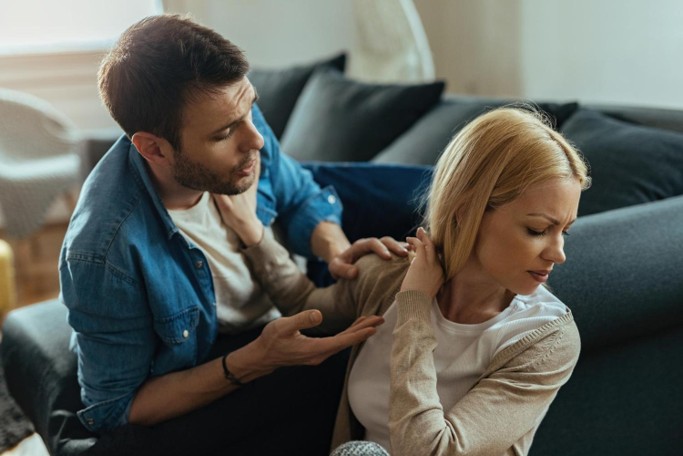
Image by Drazen Zigic on Magnific
Infidelity is among the most disruptive events a relationship can experience. The breach of trust it creates is not simply a practical problem to be resolved through apology or agreement. It is a wound that affects how the betrayed partner experiences safety, self-worth and their understanding of the relationship they thought they had. Whether a couple can recover, and what recovery actually looks like, are questions that do not have simple answers. What research and clinical experience both suggest, however, is that recovery is possible for many couples, and that the process is more structured and more evidence-based than most people outside the counselling setting realise.
What determines whether a couple can recover
Recovery from infidelity is not guaranteed, and claiming otherwise would be dishonest. Some couples find that the damage is irreconcilable, either because the circumstances of the infidelity indicate fundamental incompatibilities, because the betrayed partner cannot sustain the emotional work of rebuilding trust, or because the partner who was unfaithful is unwilling or unable to make the changes necessary for genuine repair.
What research consistently finds, however, is that couples who engage in structured therapeutic support have substantially better outcomes than those who attempt to navigate the aftermath alone. The presence of a trained therapist creates conditions that are difficult to replicate in private conversation: a neutral professional who manages the emotional intensity of sessions, guides the couple through the specific stages of disclosure and processing, and applies evidence-based frameworks to the repair process.
For couples considering professional support, learning more about what marriage counseling involves can make the process feel less unfamiliar before the first session. Having a clearer idea of what to expect may also reduce some of the apprehension that often delays people from seeking help when they need it most.
What couples counselling for infidelity actually involves
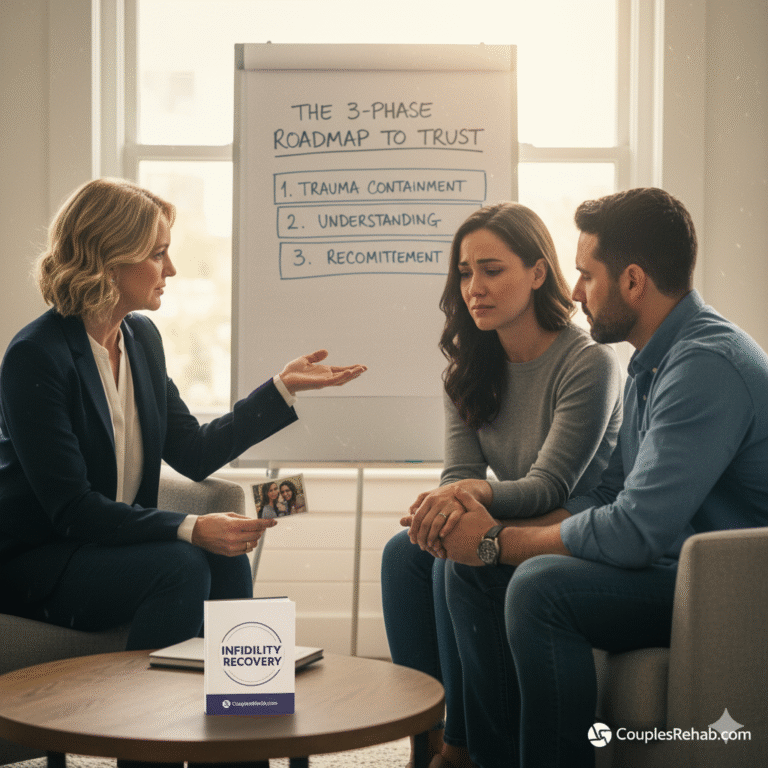
The therapeutic process following infidelity is typically staged, which reflects the reality that different phases of recovery require different kinds of intervention. In the earliest stage, the focus is usually on crisis management: reducing the acute emotional dysregulation that makes constructive conversation impossible, helping both partners stay safe and present in their daily lives, and establishing ground rules for communication outside of sessions.
The middle phase involves structured exploration of what happened and why. This is not about assigning blame or relitigating the event repeatedly, but about achieving enough understanding of the context and contributing factors that both partners can make an informed decision about whether and how to move forward. This phase requires careful therapeutic management because it involves significant emotional risk.
The later phase, for couples who choose to remain together, focuses on rebuilding trust after infidelity through specific, repeated experiences of reliability and transparency over time. Trust is not declared; it accumulates through the accumulated evidence of changed behaviour, open communication and demonstrated commitment. Therapy during this phase shifts from processing the past to building skills and patterns for the relationship going forward.
The therapeutic models most commonly used
Clinicians working with couples after infidelity typically draw on a small number of evidence-based frameworks. Emotionally Focused Therapy, or EFT, works with the underlying attachment dynamics that make infidelity so destabilising. By addressing the core emotional needs of both partners, a lack of felt security being the most common, EFT helps couples move from reactive patterns of pursuit and withdrawal toward a more secure emotional bond.
The Gottman Method offers a complementary approach, focusing on the building blocks of relationship quality: friendship, shared meaning, effective conflict management and the ability to turn toward each other during moments of stress. After infidelity, specific Gottman interventions address trust repair directly, offering both partners clear frameworks for understanding what trustworthy behaviour looks like in practice.
What the research says about outcomes
The American Psychological Association (APA) notes that couples therapy is effective for a wide range of relationship concerns, with research indicating that approximately 70 percent of couples who engage in therapy report meaningful improvement in relationship satisfaction. Studies focused specifically on couples recovering from infidelity show that treatment modality, particularly the use of EFT and structured trust-building interventions, is a significant predictor of outcome.
These figures do not mean that most couples will stay together following infidelity. They mean that for couples who choose to try, professional therapeutic support meaningfully improves the probability of an outcome they can live with, whether that is a repaired relationship or a more informed and less acrimonious separation.
When to consider seeking support
The right time to seek couples counselling after infidelity is as soon as both partners are willing to engage in the process, even if one or both feel uncertain about the eventual outcome. Uncertainty about the future of the relationship does not need to be resolved before therapy begins. In fact, one of the primary functions of early therapeutic work is helping couples reach greater clarity about what they actually want. Waiting until the relationship has deteriorated further typically makes the work harder, not easier. If you are considering this step, speaking with a registered clinical counsellor who specialises in relationship trauma is the most useful starting point.