Couples Substance Abuse Rehab

Healing Together

Welcome to our comprehensive guide on couples substance abuse rehab. At Couples Rehab, we understand the challenges couples face when both partners are struggling with addiction. We believe that with the right support, guidance, and treatment, couples can overcome substance abuse together and build a healthier, happier future. In this article, we will delve into the intricacies of couples rehab, exploring the benefits, treatment options, and strategies for successful recovery.

Substance abuse can be a lonely and isolating experience, but it doesn’t have to be. Couples substance abuse rehab is an innovative treatment option that can help couples overcome addiction and rebuild their relationship. By providing a supportive and understanding environment, couples rehab can help partners work together to achieve their shared goal of sobriety. Couples Rehab lists the benefits of couples substance abuse rehab and answer some common questions about this treatment approach.

Understanding Couples Substance Abuse

Couples substance abuse refers to situations where both partners are engaged in drug or alcohol misuse. This shared struggle can have devastating effects on the relationship, individual well-being, and overall quality of life. It is crucial to recognize that addiction impacts each partner differently and requires a tailored approach to treatment. Couples rehab programs aim to address both individual and relationship dynamics, fostering healing and growth.

Benefits of Couples Substance Abuse Rehab

Enhanced Communication and Understanding

In couples rehab, open and honest communication is encouraged, providing a safe space for partners to express their thoughts, concerns, and emotions. Therapists trained in couples counseling can help facilitate effective communication, promoting understanding and empathy between partners. This improved communication strengthens the foundation of the relationship and aids in long-term recovery.

    Rebuilding Trust and Intimacy

    Addiction often damages trust within a relationship. Couples rehab offers a structured environment for rebuilding trust and repairing emotional bonds. Through therapy and guided exercises, partners learn to communicate honestly, set healthy boundaries, and work towards regaining trust. As trust is rebuilt, intimacy and connection can be reestablished, leading to a more fulfilling relationship.

    Treatment Options for Couples

    Integrated Couples Therapy

    Integrated couples therapy combines individual treatment for each partner with joint therapy sessions. This approach allows couples to address their personal challenges while simultaneously focusing on relationship dynamics. Therapists trained in addiction and couples counseling guide partners through sessions that explore the impact of substance abuse on their relationship, improve communication, and foster healthy coping mechanisms.

    Residential Couples Rehab

    Residential couples rehab programs provide an immersive and supportive environment for couples seeking recovery. These programs offer comprehensive care, including detoxification, individual and group therapy, couples counseling, and aftercare planning. Living together in a rehab facility allows partners to undergo treatment simultaneously, strengthening their commitment to recovery.

    Outpatient Couples Therapy

    Outpatient couples therapy is an option for couples who do not require 24/7 supervision and support. This flexible approach allows partners to attend therapy sessions while continuing with their daily routines. Outpatient programs often include individual counseling, couples therapy, support groups, and access to community resources.

    Strategies for Successful Recovery

    Commitment to Sobriety

    Recovery requires a genuine commitment to sobriety from both partners. Acknowledging the challenges ahead and making a joint commitment to abstain from substance abuse is a crucial step. By supporting and holding each other accountable, couples can navigate the recovery journey together.

    Establishing a Supportive Network

    Building a strong support network is vital for successful recovery. Surrounding yourselves with positive influences, attending support groups, and seeking guidance from professionals will provide the necessary tools to overcome obstacles. Encouraging family and close friends to be part of the support system can also contribute to a stable and nurturing environment.

    Why Couples Substance Abuse Rehab Works

    When it comes to overcoming addiction, having a supportive partner can make all the difference. Here are some of the key reasons why couples substance abuse rehab is an effective treatment option:

    Shared Motivation

    One of the biggest advantages of couples rehab is that both partners are invested in the recovery process. This shared motivation can provide an extra layer of support and encouragement that may be lacking in individual rehab programs.

    Mutual Understanding

    Couples who have struggled with substance abuse often face unique challenges in their relationship. By participating in rehab together, partners can gain a deeper understanding of each other’s experiences and work to rebuild trust and communication. Couples rehab encourages partners to support and hold each other accountable throughout the recovery process. By facing addiction together, couples can develop a deeper understanding of one another’s challenges, fears, and triggers. This shared experience fosters a strong support system, where both partners can rely on each other for encouragement and motivation.

    Increased Accountability

    Accountability is a crucial component of addiction recovery. When partners participate in rehab together, they can hold each other accountable for their sobriety and provide support when one partner is struggling.

    Improved Relationship Skills

    Substance abuse can take a toll on even the strongest relationships. Couples rehab provides an opportunity for partners to work on their relationship skills and rebuild their connection in a healthy way.

    What to Expect in Couples Substance Abuse Rehab

    Couples substance abuse rehab programs vary depending on the facility and the needs of the couple. Here are some common components of couples rehab:

    Individual Therapy

    In addition to couples therapy, each partner will likely participate in individual therapy to address their unique needs and challenges.

    Group Therapy

    Group therapy sessions provide an opportunity for couples to connect with others who are going through similar experiences.

    Behavioral Therapy

    Behavioral therapy techniques, such as Cognitive Behavioral Therapy (CBT), may be used to help couples identify and change negative patterns of behavior.

    Medication-Assisted Treatment

    Medication-assisted treatment (MAT) may be used in couples rehab to help manage withdrawal symptoms and cravings.

    Aftercare Planning

    Successful recovery doesn’t end when rehab does. Couples rehab programs often include aftercare planning to help couples transition back into their everyday lives and continue to receive support.

    FAQs: Couples Substance Abuse Rehab

    Is couples rehab right for us?

    Couples rehab can be a good fit for partners who are both struggling with addiction and are committed to supporting each other’s recovery.

    What if we have different addiction issues?

    Couples rehab can accommodate partners with different addiction issues by providing individualized treatment plans.

    What if we have a history of conflict in our relationship?

    Couples rehab can help partners work through past conflicts and rebuild their relationship in a healthy way.

    How long does couples rehab last?

    The length of a couples rehab program will vary depending on the facility and the needs of the couple.

    Will we be together throughout the program?

    Couples rehab programs vary, but most include both joint and individual therapy sessions.

    Conclusion

    Couples substance abuse rehab can be a powerful tool for couples who are struggling with addiction. By working together to overcome their shared challenges, partners can not only achieve sobriety but also strengthen their relationship in the process.

    Relationship Addiction

    Relationship Addiction

    At Couples Rehab, we understand the profound impact that relationship addiction can have on individuals and their overall well-being. In this comprehensive guide, we aim to shed light on the complexities of relationship addiction, its underlying causes, and effective strategies to overcome it. Our expert team of professionals has meticulously compiled the following information to assist you in your journey towards a healthier, more fulfilling life.

    What is Relationship Addiction?

    Relationship addiction, also known as love addiction or codependency, is a psychological pattern characterized by an excessive and compulsive reliance on relationships. Individuals struggling with relationship addiction often experience a strong need for validation, love, and acceptance from others, to the extent that their self-worth becomes entirely dependent on the approval of their partners or loved ones.

    Understanding the Causes of Relationship Addiction

    Relationship addiction can stem from various factors, including early childhood experiences, attachment styles, and unresolved emotional issues. For instance, individuals who have experienced neglect, abandonment, or trauma during their formative years may develop a heightened desire for love and security. Additionally, individuals with low self-esteem or a fear of loneliness may be more susceptible to developing relationship addiction.

    Identifying the Signs and Symptoms

    Recognizing the signs and symptoms of relationship addiction is crucial for initiating the healing process. Some common indicators include:

    1. Obsessive thoughts about the relationship or partner
    2. Neglecting personal interests and hobbies to prioritize the relationship
    3. Feeling anxious or incomplete without the presence of the partner
    4. Constantly seeking reassurance and validation from the partner
    5. Experiencing intense fear of rejection or abandonment
    6. Tolerating abusive behaviors in order to maintain the relationship

    The Impact of Relationship Addiction on Mental Health

    Relationship addiction can significantly impact an individual’s mental health and overall quality of life. The constant need for external validation and the inability to establish healthy boundaries can lead to emotional distress, anxiety, depression, and a decreased sense of self-worth. It is crucial to address these issues proactively to prevent further deterioration of mental well-being.

    Overcoming Relationship Addiction

    1. Self-Reflection and Awareness: Developing self-awareness is the first step towards overcoming relationship addiction. Engage in introspection to identify the underlying emotional needs driving your addictive patterns.
    2. Seek Professional Help: Consulting with a qualified therapist who specializes in addiction and relationships can provide invaluable guidance and support throughout the recovery process. Therapy sessions can help you uncover and address the root causes of your relationship addiction, develop healthier coping mechanisms, and foster self-esteem.
    3. Establish Boundaries: Learning to set and maintain healthy boundaries is essential. Clearly define your personal limits and communicate them effectively with your partner or loved ones. This helps create a balanced and mutually respectful relationship.
    4. Develop a Support System: Surround yourself with a supportive network of friends and family who can provide encouragement, understanding, and accountability as you work towards overcoming relationship addiction.
    5. Practice Self-Care: Prioritize self-care activities that promote your overall well-being. Engage in activities that bring you joy, explore new hobbies, and invest time in personal growth.

    Conclusion

    Relationship addiction is a complex and challenging issue, but with the right tools and support, it is possible to break free from its grip. By recognizing the signs, addressing the underlying causes, and implementing strategies to establish healthier relationships, you can embark on a journey of self-discovery and create a fulfilling life that is not defined solely by external validation. At our organization, we are dedicated to providing the resources and assistance you need to overcome relationship addiction and cultivate lasting change. Remember, recovery is possible, and you deserve a life filled with happiness, self-love, and genuine connections.

    Does Delta 8 Show Up On Drug Tests

    Delta-8 Legality and Drug Tests: A Comprehensive Guide

    Welcome to our comprehensive guide on the legality of Delta-8 and its impact on drug tests. In this article, we will delve into the intricate details surrounding Delta-8 THC, its legal status, and the potential implications for drug tests. Whether you’re a consumer, an employer, or simply curious about this cannabinoid, we’ve got you covered with valuable insights and up-to-date information.

    Understanding Delta-8 THC

    Delta-8 THC, or Delta-8 Tetrahydrocannabinol, is a naturally occurring cannabinoid found in cannabis plants. It is chemically similar to Delta-9 THC, the primary psychoactive compound in marijuana, but with some structural differences. Delta-8 THC exhibits psychoactive effects but generally to a lesser extent than Delta-9 THC. This characteristic has piqued the interest of many consumers seeking a milder psychoactive experience.

    Urine Analysis

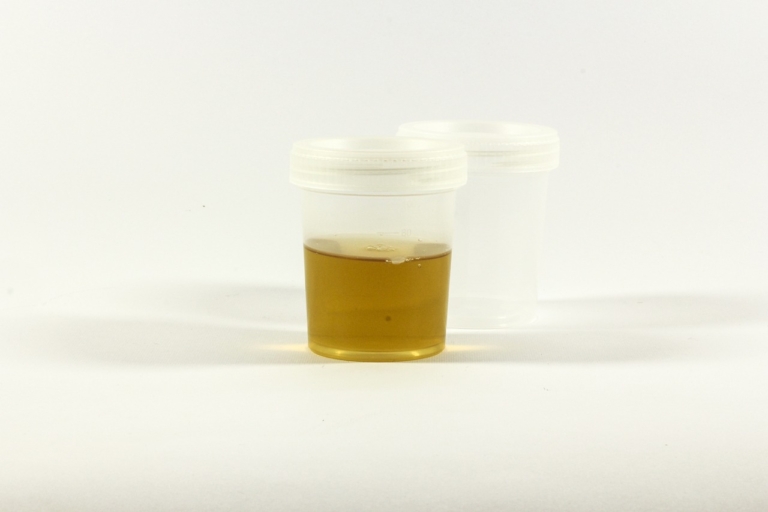
    Urine analysis stands as the prevailing method for drug testing, widely employed due to its effectiveness. This method is capable of identifying cannabis usage for a period of approximately 30 days following the last instance.

    According to a comprehensive review conducted in 2017, the detectable duration of cannabis in urine is as follows:

    • Single use: Up to 3 days
    • Moderate use (four times per week): 5 to 7 days
    • Chronic use (daily): 10 to 15 days
    • Chronic heavy use (multiple times per day): Over 30 days

    Blood Test

    When it comes to blood tests, they generally only detect recent cannabis consumption within a window of 2 to 12 hours. However, in individuals who frequently and heavily indulge in cannabis use, traces of its presence have been identified even up to 30 days after usage.

    Saliva Test

    A saliva test possesses the ability to identify the presence of THC (the psychoactive component of cannabis) up to 24 hours after ingestion. Interestingly, a review conducted in 2020 with frequent cannabis smokers revealed that THC was still detectable in saliva up to 72 hours after use.

    Hair Test

    The examination of hair follicles allows for a prolonged detection window of THC, reaching up to 90 days after usage. This testing method works due to the fact that cannabinoids, following cannabis consumption, reach the hair follicles via blood vessels.

    The legality of Delta-8 THC is a complex and evolving topic. To assess its legality, one must consider federal and state laws. While Delta-9 THC is classified as a Schedule I controlled substance under the Controlled Substances Act (CSA) in the United States, the legal status of Delta-8 THC remains more ambiguous.

    Federal Perspective: At the federal level, the 2018 Farm Bill legalized hemp-derived products, defining hemp as cannabis containing no more than 0.3% Delta-9 THC by dry weight. However, the bill does not specifically address Delta-8 THC, leaving room for interpretation.

    State Regulations: State laws regarding Delta-8 THC vary considerably. Some states explicitly ban Delta-8 THC, while others allow its sale and consumption within certain parameters. It’s crucial to research and understand the specific regulations in your state before considering the use of Delta-8 products.

    Potential Implications for Drug Tests

    One critical concern for individuals using Delta-8 THC products is the potential impact on drug tests. Drug tests typically aim to detect the presence of Delta-9 THC and its metabolites. Although Delta-8 THC shares structural similarities with Delta-9 THC, it is chemically distinct and may not trigger the same metabolites in drug tests.

    However, it’s important to note that drug testing methodologies can vary. Some tests may be designed to detect any form of THC, including Delta-8 THC, while others may solely target Delta-9 THC. To ensure accurate information, it is recommended to consult with a medical professional or the testing facility regarding their specific testing protocols.

    Given the varying legal status of Delta-8 THC and the potential impact on drug tests, it is essential to navigate the legal landscape responsibly. Here are some key considerations:

    1. Research State Laws: Familiarize yourself with the laws and regulations pertaining to Delta-8 THC in your state. Stay updated on any changes or clarifications that may arise.
    2. Product Source: Ensure that you are purchasing Delta-8 THC products from reputable sources. Look for third-party lab testing results to verify the product’s composition and ensure compliance with legal requirements.
    3. Employer Policies: If you are subject to drug testing due to employment, review your employer’s policies regarding THC use and the specific substances they test for. Understanding their stance can help you make informed decisions.
    4. Open Communication: If you have concerns about Delta-8 THC use and drug testing, discuss them openly with your employer, human resources department, or healthcare provider. Transparency can help avoid any potential misunderstandings or conflicts.

    Conclusion

    As the popularity of Delta-8 THC grows, so does the need for accurate information about its legality and implications for drug tests.

    FAQ’s Delta 8

    1. What is Delta 8? Delta 8 is a minor cannabinoid found in the cannabis plant. It is chemically similar to Delta 9 THC, but with some structural differences that result in distinct effects.
    2. How is Delta 8 different from Delta 9 THC? Delta 8 and Delta 9 THC have similar chemical structures but differ in the placement of a double bond. This difference in structure leads to differences in their psychoactive effects and legal status.
    3. Is Delta 8 legal? The legality of Delta 8 varies by jurisdiction. In some places, it is legal, while in others, it may be regulated or prohibited. It’s essential to check the specific laws in your location before purchasing or using Delta 8 products.
    4. What are the effects of Delta 8? Delta 8 is known to have psychoactive effects, but they are generally considered to be milder compared to Delta 9 THC. Users often describe the effects as a relaxed and euphoric state with less anxiety or paranoia.
    5. How is Delta 8 consumed? Delta 8 can be consumed in various forms, including vape cartridges, edibles, tinctures, and topicals. The method of consumption can affect the onset time and duration of the effects.
    6. Can Delta 8 cause a positive drug test? Yes, Delta 8 can potentially cause a positive drug test for THC. Most drug tests look for the presence of THC metabolites, and Delta 8 THC can be converted into these metabolites.
    7. Are there any potential side effects of Delta 8? While Delta 8 is generally well-tolerated, some users may experience side effects such as dry mouth, dry eyes, dizziness, or increased heart rate. It’s important to start with a low dosage and monitor your body’s response.
    8. Can Delta 8 be used for medical purposes? There is ongoing research to determine the potential medical benefits of Delta 8. However, it’s important to note that it is not approved as a medicine by regulatory authorities at this time.
    9. Is Delta 8 addictive? Delta 8 has the potential for addiction, especially if used excessively or in high doses. It’s important to use Delta 8 responsibly and avoid developing a dependency on it.
    10. Where can I buy Delta 8 products? Delta 8 products are available in some cannabis dispensaries, online retailers, and specialty stores. However, it’s crucial to ensure that you are purchasing from a reputable source that follows quality control standards.
    Whippets Drug

    Understanding Whippets: The Hidden Dangers and Health Risks

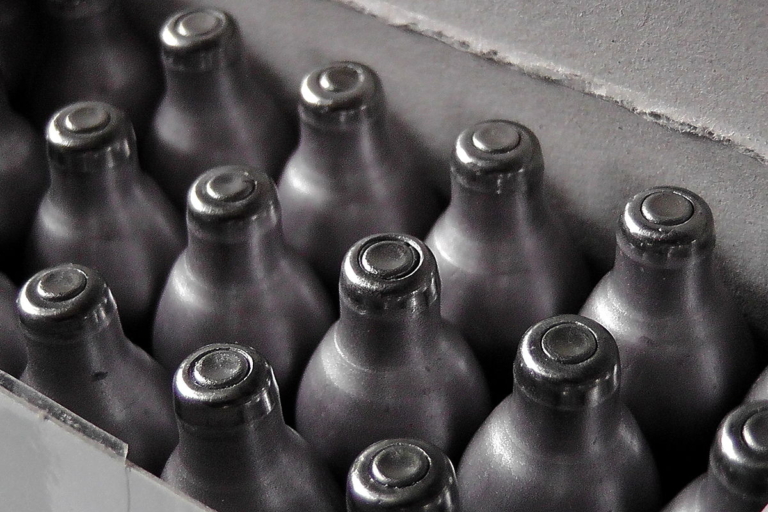
    Welcome to our comprehensive guide on whippets a term that refers to both the recreational use of nitrous oxide (N2O) and the small canisters used to dispense this gas. While whippets may be commonly associated with fun and laughter, it is crucial to shed light on the potential dangers and health risks they pose. In this article, Couples Rehab will delve into the topic of whippets, discussing their uses, effects, risks, and how to seek help if you or someone you know is struggling with their substance abuse, please contact our helpline now.

    What Are Whippets?

    Whippets, in the context of substance use, refer to the inhalation of nitrous oxide—a colorless and odorless gas that is commonly used in medical and dental procedures. Nitrous oxide, also known as laughing gas, has a long history of legitimate use for anesthesia and pain management. However, when used recreationally, it can have potentially harmful effects on the mind and body.

    The Effects of Whippets

    When inhaled, nitrous oxide produces a rapid but short-lived euphoric effect. It can induce feelings of relaxation, dizziness, and lightheadedness. Some users may experience a sense of dissociation from their surroundings or mild hallucinations. The effects of whippets typically last for a few minutes and are followed by a quick return to normal functioning.

    The Risks and Dangers

    While the recreational use of whippets may seem harmless, it is essential to understand the potential risks and dangers involved. Here are some key points to consider:

    a. Oxygen Deprivation

    One of the primary risks associated with whippets is oxygen deprivation. Nitrous oxide can displace oxygen in the lungs, leading to a condition called hypoxia. Hypoxia can cause a range of symptoms, including dizziness, confusion, headaches, and in severe cases, loss of consciousness and organ damage.

    b. Vitamin B12 Deficiency

    Another concern related to whippet use is the potential for vitamin B12 deficiency. Nitrous oxide interferes with the body’s ability to absorb and utilize vitamin B12, which is essential for maintaining healthy nerve cells and producing red blood cells. Prolonged or frequent whippet use can lead to neurological problems and anemia.

    c. Accidental Injuries

    The intoxicating effects of whippets can impair judgment and coordination, increasing the risk of accidents and injuries. Users may be more prone to falls, burns, or other mishaps while under the influence of nitrous oxide.

    Recognizing Whippet Abuse

    It is crucial to be aware of the signs of whippet abuse, both in oneself and others. Here are some indicators that may suggest a problem:

    • Unexplained chemical odor on clothing or in living spaces
    • Frequent or excessive use of whipped cream dispensers and canisters
    • Empty canisters found in trash or hidden around the premises
    • Neglecting responsibilities or hobbies in favor of whippet use
    • Changes in mood, behavior, or social circles

    Seeking Help and Treatment

    If you or someone you know is struggling with whippet abuse, it is essential to seek help promptly. Professional assistance can make a significant difference in overcoming addiction and reducing the associated health risks. Here are some avenues to consider:

    a. Medical and Mental Health Professionals

    Consulting with a medical or mental health professional experienced in addiction treatment is an important step towards recovery.

    FAQ’s About Whippets

    Q: What are whippets drugs?

    A: Whippets drugs refer to the recreational use of nitrous oxide (N2O) or laughing gas, typically inhaled from small canisters.

    2. Q: What are the effects of using whippets?

    A: Whippets can induce a short-lived euphoric effect, leading to relaxation, dizziness, lightheadedness, and dissociation from surroundings.

    3. Q: Are there any health risks associated with whippets drugs?

    A: Yes, there are potential health risks. Whippets can cause oxygen deprivation, vitamin B12 deficiency, and increase the likelihood of accidents and injuries.

    4. Q: How does oxygen deprivation occur with whippets use?

    A: Nitrous oxide in whippets can displace oxygen in the lungs, resulting in hypoxia, which can cause symptoms such as dizziness, confusion, and, in severe cases, loss of consciousness.

    5. Q: What are the dangers of vitamin B12 deficiency related to whippets?

    A: Whippets interfere with the body’s ability to absorb and utilize vitamin B12, leading to neurological problems and anemia with prolonged or frequent use.

    6. Q: Can whippets drugs lead to addiction?

    A: While nitrous oxide itself is not considered highly addictive, psychological dependence on the euphoric effects of whippets can develop.

    7. Q: How can I recognize if someone is abusing whippets?

    A: Signs of whippet abuse may include the presence of a chemical odor, frequent use of whipped cream dispensers and canisters, and neglecting responsibilities or hobbies in favor of whippets.

    8. Q: Are there any long-term consequences of whippet abuse?

    A: Prolonged or excessive use of whippets can lead to serious health consequences such as neurological damage, anemia, and accidents resulting from impaired coordination.

    9. Q: What should I do if I suspect someone is addicted to whippets?

    A: If you suspect someone is addicted to whippets, encourage them to seek professional help from medical and mental health professionals experienced in addiction treatment.

    10. Q: Can whippet addiction be treated successfully?

    A: Yes, with appropriate treatment and support, individuals struggling with whippet addiction can achieve successful recovery and improve their overall well-being.

    Remember, if you use these questions and answers, it is important to properly attribute them to the source.

    Successful Couples Rehab Stories You Need to Read

    Drug and alcohol addiction is a disease that not only affects individuals but also their relationships. Couples who struggle with addiction face a unique set of challenges that require specialized care. Many couples have found success in rehab together and have shared their stories to inspire others. In this article, we will explore some of the successful couples rehab stories that you need to read.

    Introduction

    Drug and alcohol addiction can take a toll on a relationship, often leading to broken trust, communication breakdowns, and resentment. However, couples who choose to seek treatment together have the opportunity to rebuild their relationship in a supportive and understanding environment. In this article, we will share some of the successful couples rehab stories that have inspired others to seek help and overcome addiction.

    The Importance of Couples Rehab

    Couples rehab provides a unique opportunity for couples struggling with addiction to receive treatment together. By addressing individual and relationship issues simultaneously, couples rehab can help couples heal and rebuild their relationship. This approach can also increase the chances of long-term recovery since both partners are committed to sobriety.

    Mark and Sarah’s Story

    Mark and Sarah had been married for 10 years when they decided to seek treatment for their addiction. Both struggled with alcohol addiction and had tried individual treatment programs in the past without success. They decided to enroll in a couples rehab program that offered individual and couples therapy, and support for their children. With the help of their therapist, they were able to work through underlying issues that had contributed to their addiction and learned new coping strategies. Today, Mark and Sarah have been sober for 2 years and have rebuilt their relationship and their family.

    James and Lisa’s Story

    James and Lisa had been together for 5 years when they decided to seek treatment for their addiction. Both struggled with opioid addiction and had become isolated from friends and family. They enrolled in a couples rehab program that offered individual and couples therapy, as well as medication-assisted treatment. Through therapy, they were able to rebuild trust and communication and learn new skills for managing cravings and triggers. Today, James and Lisa have been sober for 3 years and have reconnected with their loved ones.

    Michael and Emily’s Story

    Michael and Emily had been together for 8 years when they decided to seek treatment for their addiction. Both struggled with meth addiction and had experienced legal and financial consequences. They enrolled in a couples rehab program that offered individual and couples therapy, as well as legal and financial counseling. With the help of their therapist, they were able to address underlying trauma and improve their communication skills. Today, Michael and Emily have been sober for 4 years, have paid off their debts, and have rebuilt their relationship.

    John and Samantha’s Story

    John and Samantha had been married for 15 years when they decided to seek treatment for their addiction. John struggled with alcohol addiction, while Samantha struggled with prescription drug addiction. They enrolled in a couples rehab program that offered individual and couples therapy, as well as family therapy. Through therapy, they were able to address codependency issues and improve their communication skills. Today, John and Samantha have been sober for 5 years and have reconnected with their children.

    Common Benefits of Couples Rehab

    Couples rehab can offer many benefits for couples struggling with addiction. One of the main benefits is the opportunity to address individual and relationship issues simultaneously. This approach can help couples rebuild trust and communication, which may have been damaged by addiction. In addition, couples rehab can provide a supportive and understanding environment where couples can learn new coping skills, strategies for managing triggers and cravings, and healthy communication techniques. Couples rehab may also offer family therapy, which can help couples address codependency issues and strengthen their relationships with loved ones. Overall, couples rehab can increase the chances of long-term recovery and help couples rebuild their relationships.

    Is Couples Rehab Right for You?

    If you and your partner are struggling with addiction, couples rehab may be a good option to consider. However, it’s important to evaluate whether this type of treatment is right for you. Couples rehab can be an effective way to address addiction while also improving the relationship, but it may not be suitable for all couples. Consider factors such as the severity of the addiction, the willingness of both partners to participate in treatment, and the state of the relationship before making a decision. Couples rehab can also be more intense and emotional than individual rehab, as it involves addressing both individual and relationship issues. It’s important to have open and honest communication with your partner and a professional addiction specialist to determine whether couples rehab is the right choice for your specific situation.

    What to Look for in a Couples Rehab Program

    When searching for a couples rehab program, there are several important factors to consider. Look for a program that specializes in treating couples, as this will provide a more tailored approach to your specific needs. Consider the types of therapies and treatment modalities offered, such as individual and group therapy, behavioral therapies, and holistic therapies like meditation and yoga. It’s also important to ensure that the program offers a safe and comfortable environment, with trained and licensed staff who are experienced in working with couples. Check the program’s success rates and ask for references or testimonials from previous clients. Finally, consider the location and cost of the program, as this may impact your ability to attend and complete treatment. By carefully considering these factors, you can choose a couples rehab program that is right for you and your partner.

    Tips for Creating and Maintaining Healthy Habits After Couples Rehab

    After completing couples rehab, it can be challenging to maintain a healthy lifestyle. However, creating and maintaining healthy habits is essential to support your sobriety and ensure long-term success in recovery. In this article, we’ll explore some tips and strategies to help you create and maintain healthy habits after couples rehab.

    1. Set Realistic Goals The first step in creating healthy habits is setting realistic goals. It’s essential to start small and gradually work your way up. For example, if your goal is to exercise more, start with 10-15 minutes a day and gradually increase the duration as you feel comfortable. Setting small, achievable goals will help you build confidence and momentum.
    2. Develop a Routine Creating a routine can help you stay on track with your healthy habits. Try to establish a daily routine that includes activities such as exercise, meditation, and healthy meal preparation. Stick to your routine as much as possible, even on weekends or days off. This consistency will help you form healthy habits that become second nature over time.
    3. Practice Self-Care Self-care is essential to maintaining healthy habits after couples rehab. Take time each day to focus on your physical, emotional, and spiritual well-being. This can include activities such as journaling, taking a bubble bath, or spending time in nature. Remember, taking care of yourself is not selfish; it’s necessary for your recovery.
    4. Surround Yourself with Positive Support Surrounding yourself with positive support is critical to maintaining healthy habits. This can include attending support groups, connecting with a sponsor or mentor, or spending time with sober friends. Having a strong support system will help you stay accountable and motivated.
    5. Learn to Manage Stress Stress can be a trigger for relapse, so it’s essential to learn healthy ways to manage stress. This can include activities such as deep breathing, yoga, or mindfulness meditation. Learning to manage stress effectively will help you stay focused on your recovery goals.

    In conclusion, creating and maintaining healthy habits after couples rehab is crucial for long-term success in recovery. By setting realistic goals, developing a routine, practicing self-care, surrounding yourself with positive support, and learning to manage stress, you can build healthy habits that support your sobriety and overall well-being. Remember, recovery is a journey, and it’s essential to take it one day at a time.

    5 Signs You Need Couples Rehab

    Addiction is a disease that affects not only the individual, but their loved ones as well. When two people in a relationship are struggling with addiction, it can be even more challenging to overcome. If you and your partner are finding it difficult to quit using drugs or alcohol, it might be time to consider couples rehab. In this article, we will explore the 5 signs that indicate you and your partner might need couples rehab.

    Sign #1: You’re Enabling Each Other’s Addiction

    One of the biggest indicators that you and your partner need couples rehab is if you’re enabling each other’s addiction. Enabling can take many forms, such as providing money for drugs or alcohol, covering up for each other’s substance abuse, or making excuses for each other’s behavior. If you find yourselves in this situation, it’s time to seek professional help.

    Sign #2: You’re Experiencing Relationship Problems

    Drug and alcohol addiction can put a strain on any relationship. If you and your partner are constantly arguing, experiencing trust issues, or feeling disconnected from each other, it might be time to consider couples rehab. Addiction can make it difficult to communicate effectively and work through problems, but rehab can help you and your partner learn new coping strategies and strengthen your bond.

    Sign #3: You’ve Tried to Quit on Your Own but Haven’t Been Successful

    Quitting drugs or alcohol on your own can be challenging, and sometimes it’s just not enough. If you and your partner have tried to quit using on your own but haven’t been successful, it’s time to seek professional help. Couples rehab centers can provide you with the support, guidance, and tools you need to overcome addiction and build a healthier, happier life together.

    Sign #4: Your Substance Abuse Is Affecting Other Areas of Your Life

    When addiction takes over, it can affect every aspect of your life. If you and your partner are experiencing problems at work, with friends, or in other areas of your life due to substance abuse, it’s time to seek help. Couples rehab can help you and your partner address the root causes of your addiction and develop a plan to overcome it, so you can start living a more fulfilling life.

    Sign #5: You’re Experiencing Withdrawal Symptoms

    Withdrawal symptoms can be both physical and emotional and can be incredibly challenging to deal with on your own. If you and your partner are experiencing withdrawal symptoms when you try to quit using drugs or alcohol, it’s time to seek professional help. Couples rehab can provide you with a safe and supportive environment to detox and overcome withdrawal symptoms, so you can start on the path to recovery together.

    FAQs:

    Q: What can I expect from couples rehab? A: Couples rehab typically involves a combination of individual and couples therapy, addiction education, support groups, and relapse prevention planning. The exact program will depend on your individual needs and the rehab center you choose.

    Q: How long does couples rehab last? A: The length of couples rehab can vary depending on your individual needs and the severity of your addiction. It can range from a few weeks to several months.

    Q: How much does couples rehab cost? A: The cost of couples rehab can also vary depending on the program you choose and your insurance coverage. It’s important to do your research and find a program that fits your needs and budget.

    Conclusion:

    Addiction is a complex disease that requires professional help to overcome. If you and your partner are struggling with addiction, it’s important to recognize the signs and seek help. Couples rehab can provide you with the tools, support, and therapy needed to live a happy sober life.

    The Benefits of Couples Counseling

    Improving Relationships and Strengthening Bonds

    Relationships can be both rewarding and challenging. At times, couples may encounter difficulties in their relationship that can cause tension, conflicts, and misunderstandings. If left unaddressed, these problems can lead to serious consequences such as a breakdown in communication, loss of emotional intimacy, or even separation. This is where couples counseling can be beneficial. Couples counseling is a type of therapy that focuses on helping couples identify and resolve their problems while improving communication and emotional intimacy. In this article, we will explore the benefits of couples counseling and how it can help improve relationships.

    What is Couples Counseling?

    Couples counseling is a type of therapy that is designed to help couples identify and resolve their problems while strengthening their relationship. This therapy can be conducted by a licensed therapist or counselor who specializes in working with couples. The therapist uses various techniques and strategies to help couples work through their issues, including communication exercises, problem-solving strategies, and behavioral therapy.

    Benefits of Couples Counseling Couples counseling can offer many benefits to couples who are struggling with their relationship. Here are some of the ways couples counseling can help:

    1. Improving Communication: Couples counseling can help improve communication between partners by providing them with the skills and strategies needed to effectively communicate their thoughts, feelings, and needs. This can lead to a better understanding of each other and a stronger bond in the relationship.
    2. Resolving Conflicts: Couples counseling can also help resolve conflicts by providing a safe and neutral space for couples to discuss their problems. The therapist can help couples identify the root cause of their conflicts and work towards finding a resolution that is mutually beneficial.
    3. Strengthening Emotional Intimacy: Emotional intimacy is an essential aspect of any relationship. Couples counseling can help partners reconnect emotionally and develop a deeper understanding and appreciation of each other.
    4. Improving Overall Relationship Satisfaction: Couples counseling can help partners develop a better understanding of each other’s needs and work towards meeting those needs. This can lead to a more satisfying and fulfilling relationship.

    How Does Couples Counseling Work?

    Couples counseling typically involves a series of sessions that are conducted by a licensed therapist or counselor. During these sessions, the therapist will work with the couple to identify the underlying issues in the relationship and develop a plan to address them. The therapist may use a variety of techniques and strategies, including cognitive-behavioral therapy, to help the couple work through their problems.

    FAQs

    Q: How long does couples counseling take? A: The length of couples counseling can vary depending on the complexity of the issues being addressed. Some couples may see improvement after just a few sessions, while others may require several months of therapy.

    Q: Is couples counseling only for couples who are experiencing problems? A: No. Couples counseling can also be beneficial for couples who are looking to strengthen their relationship or improve communication.

    Q: Is couples counseling confidential? A: Yes. Like any form of therapy, couples counseling is confidential, and the therapist is bound by confidentiality laws.

    Conclusion

    Couples counseling can be a valuable tool for couples who are looking to improve their relationship. By improving communication, resolving conflicts, and promoting emotional intimacy, couples counseling can help couples develop a stronger bond and a more satisfying relationship. If you are experiencing difficulties in your relationship, consider seeking the help of a licensed couples therapist or counselor. Remember, it’s never too late to work on your relationship and strengthen your bond.

    How to Find the Right Couples Rehab

    Addiction is a serious problem that affects millions of people worldwide. It not only affects the individual, but it can also strain relationships with loved ones. For couples struggling with addiction, finding the right treatment center can be a challenge. Couples rehab is a specialized form of addiction treatment that provides a safe and supportive environment for both partners to work on their recovery.

    Choosing the right couples rehab can be a daunting task. There are many factors to consider, such as location, cost, and types of therapy offered. In this article, we’ll provide you with a comprehensive guide on how to find the right couples rehab that meets your needs.

    Factors to Consider When Choosing a Couples Rehab

    1. Accreditation and Licensing When looking for a couples rehab, it’s important to ensure that the facility is accredited and licensed by the appropriate regulatory body. This ensures that the facility meets specific standards of care and adheres to ethical practices.
    2. Location Location is an important factor to consider when choosing a couples rehab. Some couples may prefer to stay close to home, while others may want to travel to a different city or state for treatment. Consider your preferences and what will best support your recovery.
    3. Cost The cost of couples rehab can vary significantly depending on the location and type of treatment offered. Some facilities may accept insurance, while others may require out-of-pocket payment. Consider your budget and what you can afford when choosing a facility.
    4. Treatment Philosophy and Approach Different rehab centers have different treatment philosophies and approaches. Some may focus on a 12-step program, while others may offer alternative therapies such as holistic or experiential therapy. Consider what approach resonates with you and what will best support your recovery.
    5. Staff Qualifications and Experience The qualifications and experience of the staff at a couples rehab are important factors to consider. Look for a facility with licensed and experienced therapists, counselors, and medical staff. This ensures that you and your partner will receive high-quality care and support during your stay.
    6. Amenities and Facilities The amenities and facilities at a couples rehab can vary significantly. Some may offer luxurious accommodations and amenities such as swimming pools and spas, while others may have more basic accommodations. Consider what amenities are important to you and what will best support your recovery.

    Frequently Asked Questions About Couples Rehab

    1. What is couples rehab? Couples rehab is a specialized form of addiction treatment that provides a safe and supportive environment for both partners to work on their recovery.
    2. How does couples rehab work? Couples rehab typically involves both individual and couples therapy, as well as group therapy and other types of treatment. The goal is to provide a comprehensive and holistic approach to addiction treatment that supports both partners in their recovery.
    3. What types of addiction are treated in couples rehab? Couples rehab can treat a variety of addictions, including drug and alcohol addiction, gambling addiction, and sex addiction.
    4. Is couples rehab covered by insurance? Couples rehab may be covered by insurance, depending on your policy and the specific facility. It’s important to check with your insurance provider and the facility to determine what coverage is available.
    5. Can couples rehab help save a relationship? Couples rehab can provide a safe and supportive environment for partners to work on their recovery together. While there are no guarantees, many couples find that couples rehab helps improve their relationship and strengthens their bond.
    The Role of Communication in Couples Rehab

    Communication is key in any relationship, and it becomes even more critical in couples rehab centers. Rehab can be a trying time for both individuals in the relationship, and the added stress can lead to miscommunication and misunderstandings. However, with proper communication, couples can navigate rehab successfully and come out the other side stronger than ever.

    Couples rehab is a type of addiction treatment that involves both partners in a romantic relationship. It can be an effective way to address addiction while also strengthening the relationship. However, for couples rehab to be successful, communication must be a top priority.

    The Importance of Communication in Couples Rehab

    Builds Trust

    Trust is a crucial component of any relationship, and it becomes even more important in rehab. When both partners are open and honest with each other, they build trust. Trust is essential in rehab because it helps both partners feel safe and secure, which can be challenging to achieve in a new environment.

    Reduces Stress

    Rehab can be a stressful time for both individuals in the relationship. Proper communication can help reduce stress by allowing both partners to express their feelings and concerns openly. This can prevent misunderstandings and help both partners feel heard and understood.

    Encourages Accountability

    Addiction recovery requires accountability, and communication is essential in holding both partners accountable. When both partners are open and honest with each other, they can keep each other on track and ensure that they are following through with their recovery plan.

    Strengthens the Relationship

    Couples rehab can be a challenging time for any relationship, but with proper communication, it can also be an opportunity to strengthen the relationship. When both partners are open and honest with each other, they build a deeper connection and a stronger foundation for their relationship.

    Communication Strategies for Couples in Rehab

    Active Listening

    Active listening is a critical communication skill that can help couples in rehab. Active listening involves paying attention to what the other person is saying and responding thoughtfully. This can help prevent misunderstandings and build trust.

    Setting Boundaries

    Setting boundaries is an essential communication strategy in any relationship, but it becomes even more important in rehab. Setting boundaries can help both partners feel safe and secure, and it can prevent misunderstandings and conflicts.

    Expressing Emotions

    Rehab can be an emotional time for both individuals in the relationship. It is important to express emotions openly and honestly, as this can prevent resentment and misunderstandings. When both partners are open and honest with their emotions, they can work through challenges together and build a stronger relationship.

    Using “I” Statements

    Using “I” statements is a communication strategy that can help prevent conflicts and misunderstandings. “I” statements express how the speaker feels without blaming the other person. This can prevent defensiveness and help both partners work through challenges more effectively.

    Conclusion

    Couples rehab can be a challenging time for any relationship, but with proper communication, it can also be an opportunity to strengthen the relationship. Communication is essential in building trust, reducing stress, encouraging accountability, and strengthening the relationship. Active listening, setting boundaries, expressing emotions, and using “I” statements are all effective communication strategies for couples in rehab.

    FAQs

    1. How important is communication in couples rehab?

    Communication is crucial in couples rehab as it allows both partners to express their thoughts, feelings, and concerns effectively. It helps couples to resolve conflicts and build stronger relationships by learning how to listen actively, communicate their needs, and understand each other’s perspectives.

    1. What are some communication strategies used in couples rehab?

    Couples rehab may employ various communication strategies such as active listening, validation, and empathic communication. These techniques aim to promote open and honest communication, build trust and respect, and create a safe space for both partners to express themselves.

    1. Can communication breakdowns hinder the progress of couples rehab?

    Yes, communication breakdowns can hinder the progress of couples rehab. Failure to communicate effectively can lead to misunderstandings, conflict, and resentment between partners. This can prevent couples from making progress in their recovery journey and may even lead to the breakdown of the relationship.

    1. How can couples rehab help improve communication skills?

    Couples rehab can help improve communication skills by teaching couples techniques such as active listening, assertive communication, and conflict resolution. Additionally, couples rehab provides a safe and supportive environment for partners to practice and apply these skills in their daily lives.

    1. What role does communication play in the long-term success of couples rehab?

    Communication plays a critical role in the long-term success of couples rehab. By improving communication skills, couples can build stronger and healthier relationships that are less susceptible to relapse. Effective communication also helps partners to identify and address any issues that may arise in the future, allowing them to resolve conflicts and maintain a healthy relationship.