
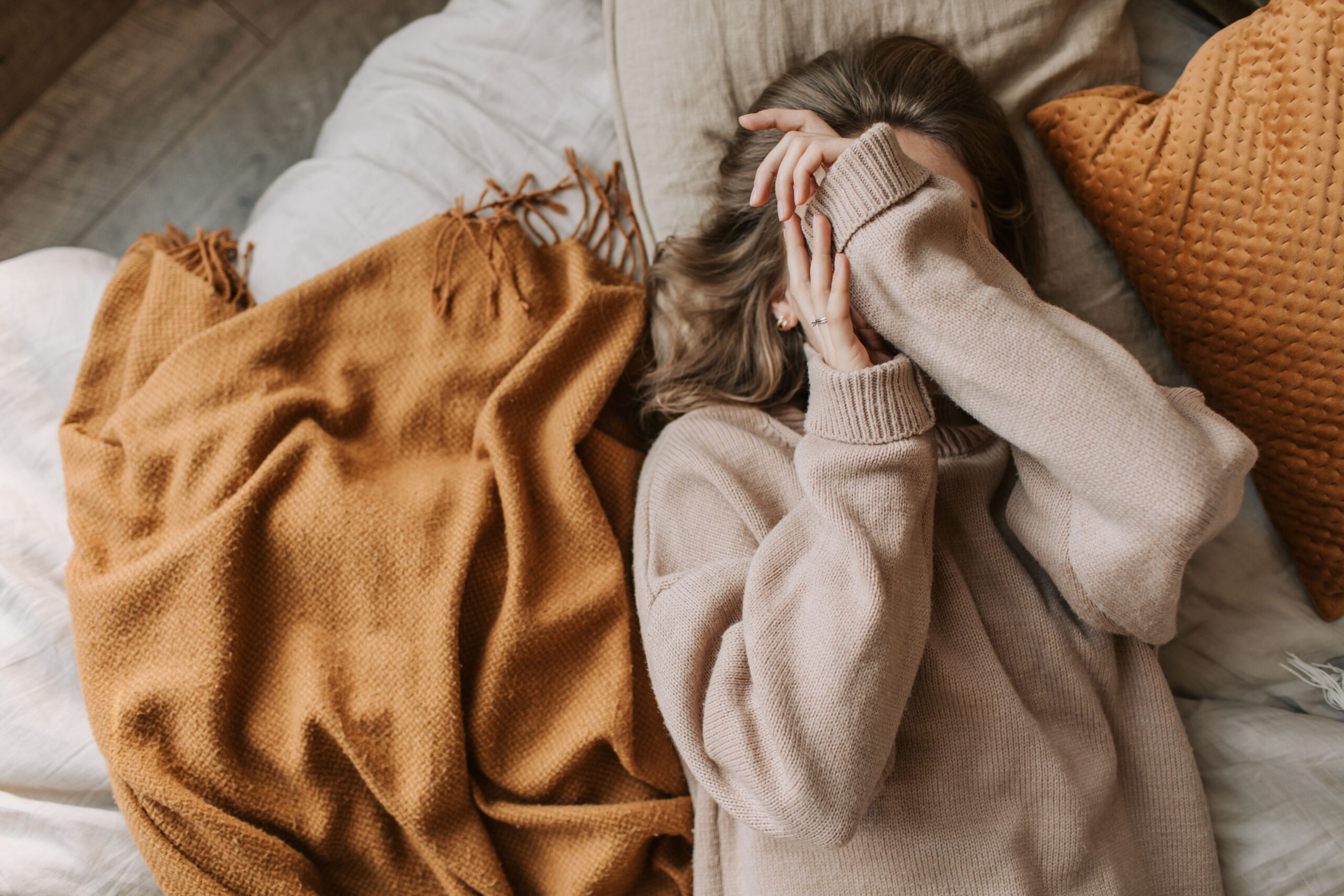
Sleep, Inflammation, and Mood: The Physical Side of Early Sobriety
Just quit drinking and wondering why you feel worse, not better?
You are not alone. Many people anticipate that the first few weeks of sobriety will feel like a new beginning. What they get is:
- Restless nights
- Aches and puffiness
- Mood swings out of nowhere
Here’s the thing:
None of this means you’re doing it wrong. Your body is healing years of damage and it makes a lot of noise while doing its job. When you know what’s happening under the hood… Early sobriety becomes SO much easier to get through.
Let’s break it down.
What’s inside:
- Why Your Body Feels Worse Before It Feels Better
- The Sleep Problem Nobody Warns You About
- Inflammation: The Hidden Healing Process
- Mood Swings And The Brain Reset
- 5 Simple Ways To Support Your Body
Why Your Body Feels Worse Before It Feels Better
Nearly every system in your body is affected by alcohol. Your brain, GI tract, liver and heart all became accustomed to alcohol being present. Remove it and each of those systems must recalibrate.
That takes time.
Your heart is one of the first organs where the change appears. Heavy drinking raises blood pressure and keeps your body in a low-grade inflammatory state that damages blood vessels. The best part? A large study done in Japan involving close to 360,000 check-ups revealed blood pressure decreased when people stopped drinking. The more they drank previously, the larger the decrease.
Your heart starts healing the day you stop.
Hyperbaric Therapy And Cardiovascular Health
So intertwined are circulation and inflammation that more recovering addicts are turning to research on hyperbaric therapy and cardiovascular health. In hyperbaric therapy, you breathe 100% oxygen while inside a pressurized chamber. The increased pressure drives more oxygen into your bloodstream. Early research shows promise that it can promote healthy blood vessel function and tamp down inflammation—two things damaged by years of drinking. For an easy-to-understand breakdown of how it works, check out this hyperbaric chamber benefits overview. Hyperbaric therapy shouldn’t replace medical treatment… But it’s something to ask your doctor about as part of your overall recovery strategy.
The Sleep Problem Nobody Warns You About.
This one catches almost everyone off guard…
You quit drinking and expect to sleep like a baby. Instead you find yourself awake at 3am staring at the ceiling.
Why? Alcohol was like a sedative for years. It puts you to sleep (poorly in actuality). Your brain became accustomed to that crutch. Without it your natural sleep mechanism has to reboot.
But it’s not a small problem either. Studies show that insomnia in early recovery could be five times higher than in people who don’t have substance use disorders. Norwegian researchers found that 54% of alcohol use disorder inpatients experienced insomnia during early abstinence.
That’s more than half.
Here’s why that matters. Lack of sleep is one of the most powerful relapse triggers of all. Many people use alcohol to fall asleep at night, so when you start stacking up sleepless nights… Suddenly that “solution” starts to seem pretty good again.
How To Get Your Sleep Back
Sleep does come back. It just needs a little help. Try these:
- Go to bed and wake up at the same time every day
- Cut caffeine after lunch
- Keep your bedroom cool and dark
- Swap screens for a book in the last hour
Physicians usually recommend cognitive behavioural therapy for insomnia (CBT-I) instead of sleeping pills in early recovery. Sleeping pills have the potential to be habit forming. Ask your doctor about CBT-I first.
Inflammation: The Hidden Healing Process
Think of inflammation like your body’s repair crew.
If alcohol’s running through your system daily, that crew is on-call 24/7. Your intestinal lining becomes inflamed, your liver works overtime and your immune system constantly battles. Drinking causes inflammation to persist at low levels for months or years.
Once you quit, the repairmen can finally catch up. But catching up can mean:
- Joint and muscle aches
- Bloating and gut trouble
- Water retention
- Feeling tired all the time
Think about it:
When you sprain your ankle it has to swell up before it can heal. Your entire body is experiencing a micro version of that process right now.
Food is also a huge factor. Leafy greens, fatty fish, berries and nuts can all help reduce inflammation. Sugar and highly processed foods have the reverse effect. Fair warning — sugar is hard to beat craving-wise in early sobriety. It’s okay to indulge yourself a little. Don’t make it a nightly routine, though.
Mood Swings And The Brain Reset
Here’s something most people are never told…
Your mood is connected to your body. Bad sleep coupled with chronic inflammation = MOODY. You’ll feel sad, anxious and irritable.
Furthermore, alcohol interferes with how your brain processes pleasure neurotransmitters such as dopamine. When you stop drinking, your brain needs to learn how to produce pleasure naturally again. In the meantime, daily activities may seem dull and grey. This can be part of post-acute withdrawal syndrome, otherwise known as PAWS. PAWS can last for a few months.
Studies confirm it. In a 2025 study of over 1,000 people in alcohol treatment, nearly one in three experienced anxiety or depression that didn’t clear up as quickly as expected.
Right. So if you’re feeling depressed… Don’t feel bad. Lots of people are. It also means you should seek help.
Persistent low mood is not something you should just ‘power through’. See your doctor or counsellor if it’s been going on for more than a few weeks. Treatments are effective.
5 Simple Ways To Support Your Body
You don’t need a complicated plan. Small daily habits stack up fast. Focus on:
- Sleep — protect a regular bedtime like it’s an appointment
- Food — eat real meals with protein, fruit and veg
- Water — stay hydrated to help your liver and kidneys
- Movement — a 20-minute walk lifts your mood and lowers inflammation
- Support — stay close to people who get what you’re going through
That’s it. Keep it simple and do it every day.
The Bottom Line
Early sobriety takes a toll on your body. Poor sleep, aches and mood swings are indications that your body is recovering — not indications that you’re failing.
To quickly recap:
- Sleep problems are common and get better with good habits
- Inflammation is part of the repair process
- Mood swings come from your brain and body resetting
- Your heart and blood pressure start to recover once you stop
Allow time for your body to heal, stick to the basics and don’t hesitate to seek professional help. The first few months will be the hardest… But each week WILL be easier.
